


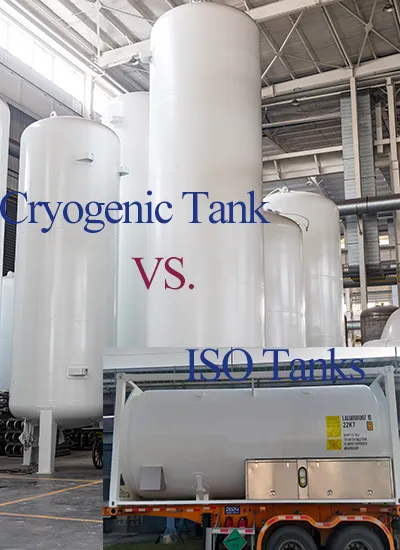
A cryogenic tank is designed for long-term storage of liquefied gases at extremely low temperatures, while an ISO tank is built for safe transportation using standardized container logistics systems. Cryogenic tanks prioritize insulation and storage efficiency, while ISO tanks focus on mobility and global transport compatibility.
In industries such as LNG, industrial gases, healthcare, energy, and manufacturing, selecting the correct storage and transportation solution is critical for safety, efficiency, and cost optimization. Two of the most widely used solutions are cryogenic tanks and ISO tanks. Although both are used for storing and transporting liquefied gases, they serve very different operational purposes.
This guide explains the key differences between cryogenic tanks and ISO tanks, including their design, applications, advantages, and how to choose the right solution for your business.
What Is a Cryogenic Tank?
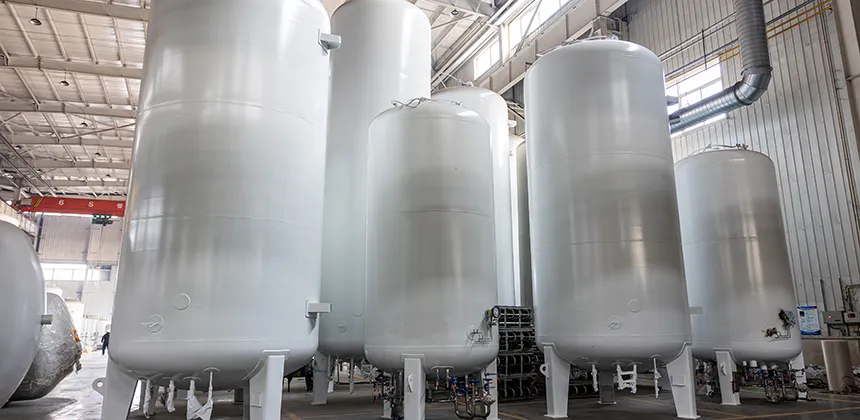
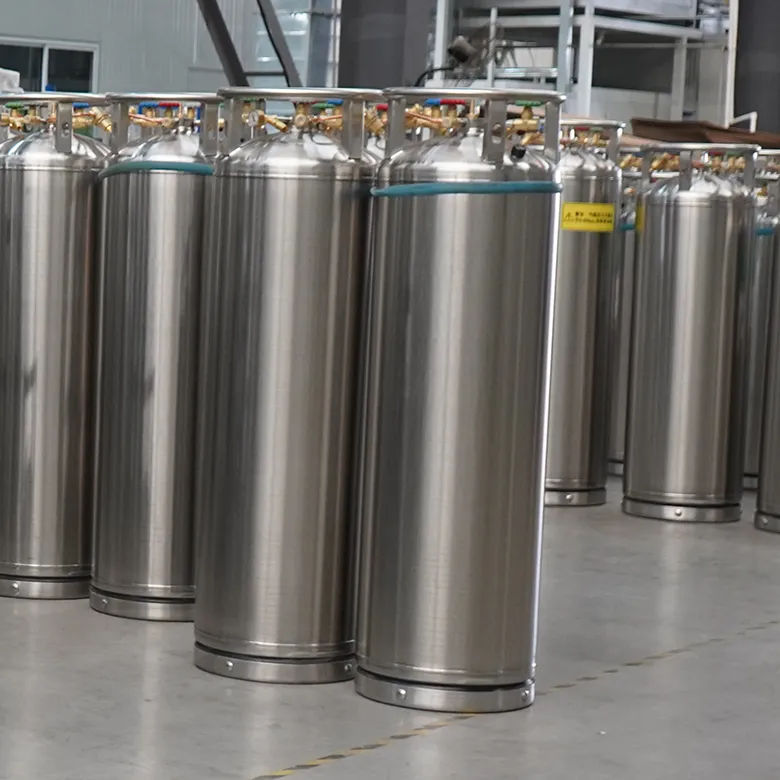
A cryogenic tank is a specially engineered storage vessel designed to hold liquefied gases at extremely low temperatures, typically below -150°C (-238°F). These tanks are essential for industries requiring stable long-term storage of cryogenic liquids.
Common gases stored in cryogenic tanks include:
- Liquid Nitrogen (LIN)
- Liquid Oxygen (LOX)
- Liquid Argon (LAR)
- Liquefied Natural Gas (LNG)
- Liquid Carbon Dioxide (LCO₂)
- Liquid Hydrogen (LH₂)
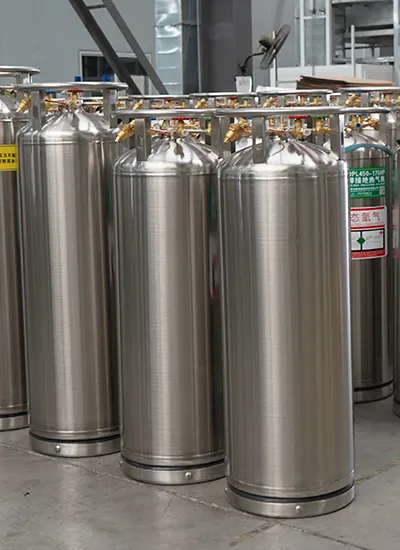
Cryogenic tanks use advanced insulation systems such as vacuum insulation and multilayer thermal protection to reduce heat transfer and prevent product loss.
Key Features of Cryogenic Tanks
- Double-wall construction
- Stainless steel inner vessel
- Carbon steel outer shell
- High vacuum insulation
- Pressure build-up systems
- Safety relief valves
- Liquid level monitoring systems
- Temperature sensors
These design features ensure safe operation, minimal evaporation loss, and long service life.
Types of Cryogenic Tanks
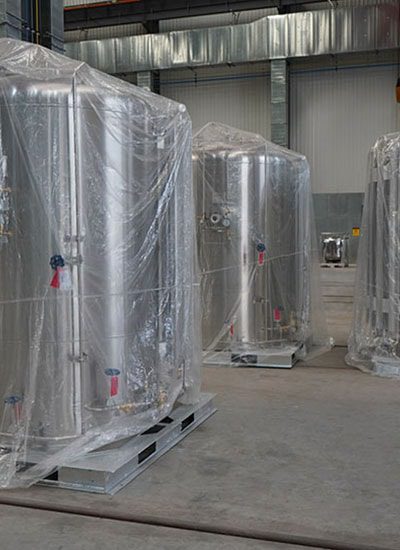
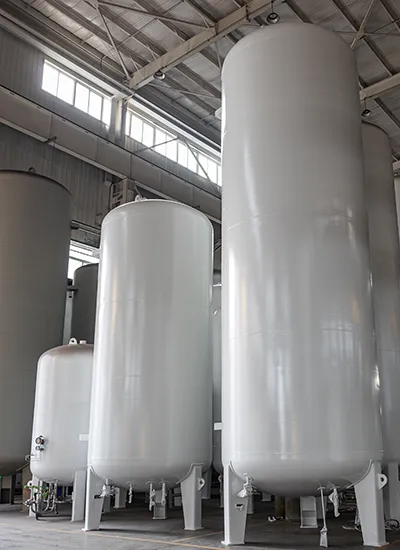
Stationary Cryogenic Storage Tanks
Used in industrial plants, hospitals, and LNG terminals where continuous gas supply is required.
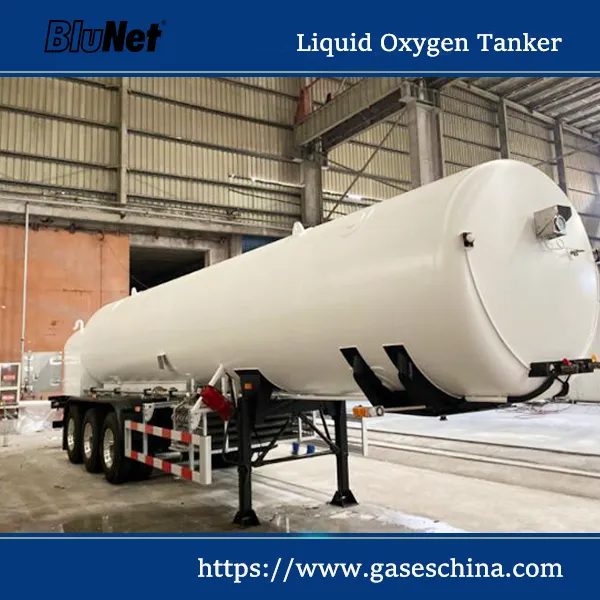
Cryogenic Transport Tanks
Installed on trailers or trucks to distribute liquefied gases to customers.
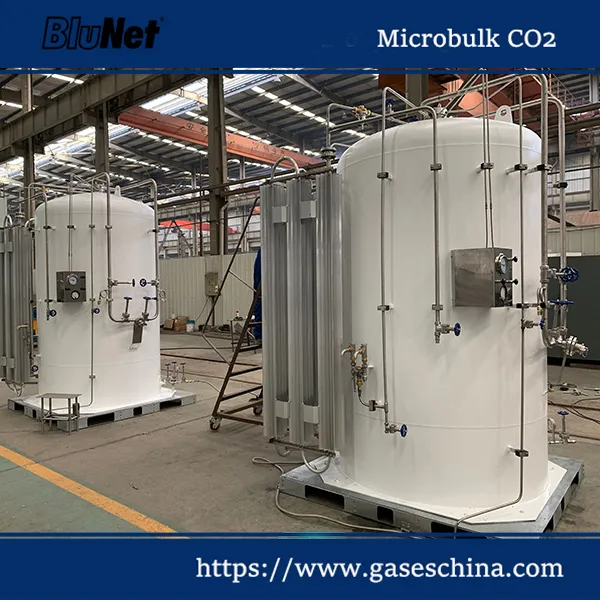
Microbulk Cryogenic Tanks
Small-scale storage solutions designed for laboratories and small industrial users.
LNG Storage Tanks
Large-capacity tanks used in LNG infrastructure and energy storage projects.
What Is an ISO Tank?
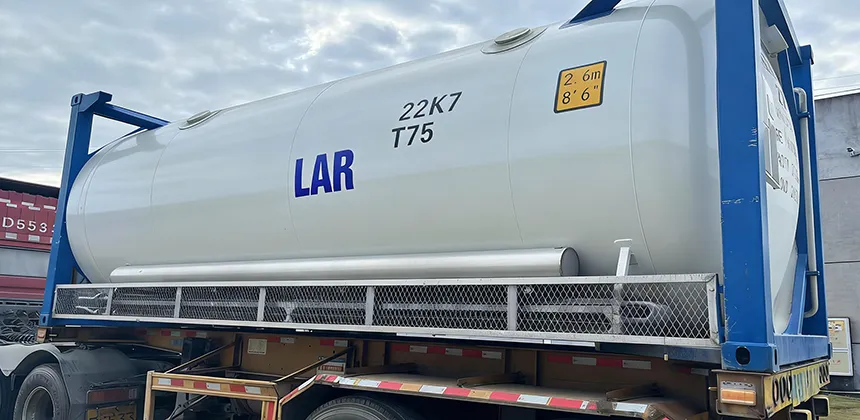
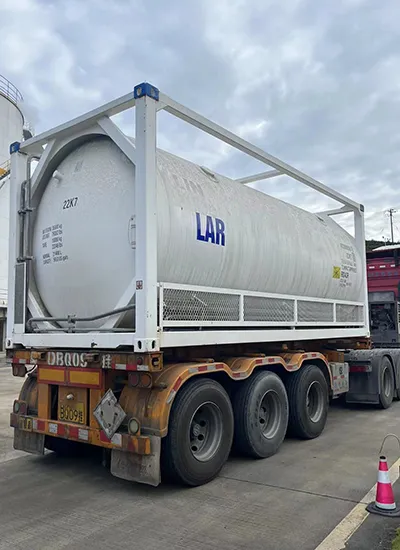
An ISO tank container is a standardized tank built according to ISO container dimensions, allowing safe and efficient transportation of bulk liquids and gases worldwide.
These tanks are enclosed within a protective steel frame that allows them to be transported using standard container handling systems.
ISO tanks can be transported via:
- Ocean freight
- Rail transport
- Road transport
This makes ISO tanks ideal for international logistics and intermodal transportation.
Key Features of ISO Tanks
- ISO standard frame structure
- Stainless steel pressure vessel
- Protective outer frame
- Top and bottom discharge valves
- Pressure relief devices
- Steam or electric heating options
- Global transport certification
Cryogenic Tank vs ISO Tank: Main Differences
The simplest way to understand the difference:
Cryogenic tanks are mainly used for storage, while ISO tanks are mainly used for transportation.
| Feature | Cryogenic Tank | ISO Tank |
|---|---|---|
| Primary Function | Storage | Transportation |
| Mobility | Mostly stationary | Highly mobile |
| Temperature Range | Extremely low temperatures | Depends on cargo type |
| Design Standard | Custom engineered | ISO standardized |
| Capacity Range | Small to very large | Standard container sizes |
| Insulation Performance | Very high | Moderate to high |
| Typical Use | Industrial storage | Global logistics |
Design Differences
Cryogenic Tank Engineering Focus
Cryogenic tank design prioritizes thermal efficiency and long-term storage stability. Since cryogenic liquids constantly attempt to vaporize, insulation quality is the most important engineering factor.
Key engineering priorities include:
- Maximum thermal insulation
- Minimal boil-off rate
- Long service lifespan
- Stable pressure management
- Structural reliability
ISO Tank Engineering Focus
ISO tanks focus on transportation durability and logistics compatibility.
Key design priorities include:
- Transport safety
- Standard dimensions
- Handling compatibility
- Structural strength
- Regulatory compliance
Application Differences
Cryogenic Tank Applications
Cryogenic tanks are used where continuous supply and long-term storage are required.
- Industrial gas supply systems
- Hospitals and medical oxygen systems
- LNG storage terminals
- Research laboratories
- Food freezing processes
- Steel manufacturing
ISO Tank Applications
ISO tanks are used primarily for transporting bulk liquids and gases.
- Chemical transport
- Food-grade liquid shipping
- LNG distribution
- CO₂ transport
- Hazardous material logistics
Advantages of Cryogenic Tanks
- Excellent storage efficiency
- Minimal product loss
- Long operational life
- Large storage capacity
- Reliable gas supply
- Advanced safety systems
Advantages of ISO Tanks
- Global transportation compatibility
- Lower logistics costs
- Reusable containers
- Reduced contamination risk
- High safety standards
- Flexible delivery options
Looking for a Reliable Bulk Storage or Transport Solution?
Whether you need bulk storage, transport, or on-site supply,
Limitations of Cryogenic Tanks
- High installation cost
- Requires foundation
- Limited mobility
- Maintenance requirements
- Installation planning required
Limitations of ISO Tanks
- Limited storage duration
- Smaller capacity than storage tanks
- Cleaning between shipments required
- Leasing costs may apply
How to Choose Between Cryogenic Tank and ISO Tank
Choose a Cryogenic Tank if you need:
- Permanent storage
- Large capacity
- Continuous gas supply
- On-site storage
- Industrial infrastructure support
Choose an ISO Tank if you need:
- International transport
- Bulk shipping
- Flexible logistics
- Temporary storage
- Intermodal transport capability
TECHNICAL FAQs
About Cryogenic Tanks and ISO Tank Containers
Cryogenic tanks store liquefied gases at extremely low temperatures for long-term on-site use, while ISO tanks transport bulk liquids and gases globally using standardized container systems.
Yes. Specialized cryogenic ISO tanks combine vacuum insulation and pressure control to safely transport liquefied gases such as LNG, liquid nitrogen, oxygen, and argon, maintaining stability during transit.
Cryogenic tanks have higher initial costs due to vacuum insulation and installation requirements but provide reliable long-term storage. ISO tanks are more cost-effective for transport operations but are not optimized for continuous on-site storage.
Industries including LNG energy, steel manufacturing, healthcare, laboratories, food processing, and aerospace rely on cryogenic tanks for stable storage of liquefied gases such as nitrogen, oxygen, argon, and LNG.
Yes. ISO tanks follow strict international safety standards including IMDG, ADR, and RID, ensuring secure transport of liquids and gases across ships, rail, and trucks.
Select a cryogenic tank for long-term on-site storage, high capacity, and continuous supply. Choose an ISO tank for flexible, intermodal transport of bulk liquefied gases. Many industrial operations combine both for optimal efficiency.

No comment