
Cryogenic Systems

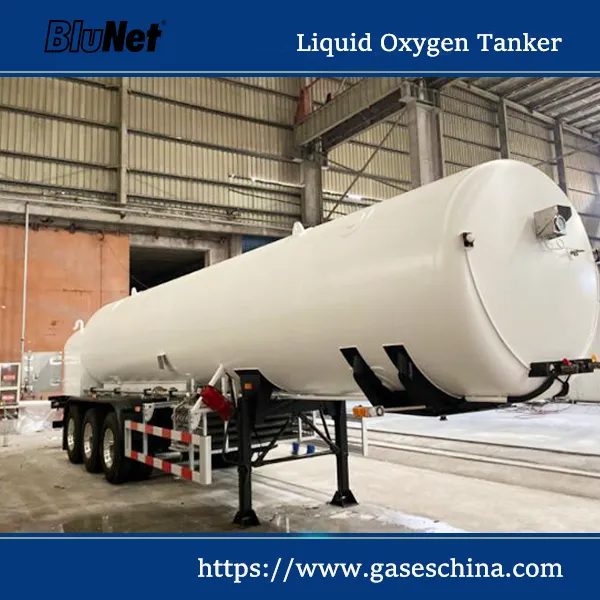
Cryogenic systems are designed to store, transport, and handle gases at extremely low temperatures, typically below –150°C. These systems are essential in industries that rely on liquefied gases such as liquid nitrogen (LN₂), liquid oxygen (LOX), liquid argon (LAr), and LNG.

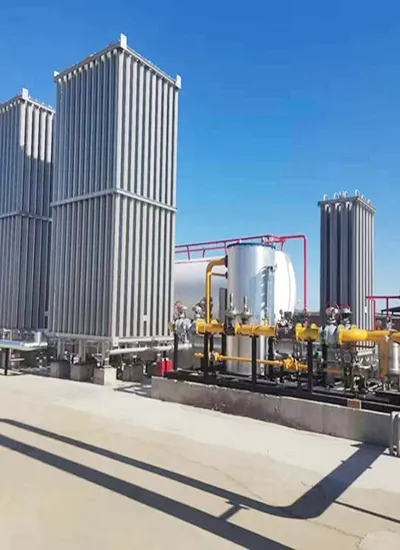
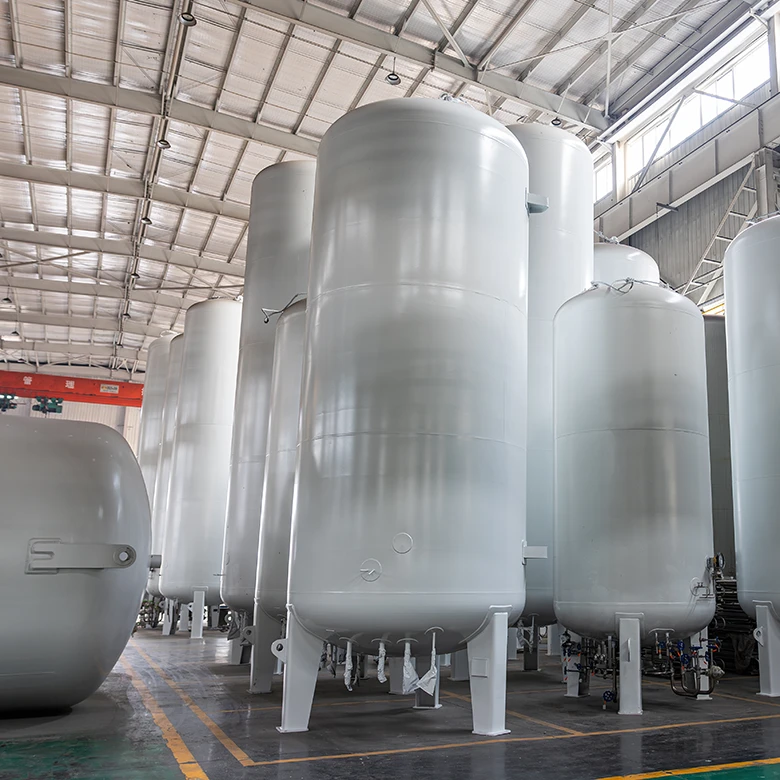
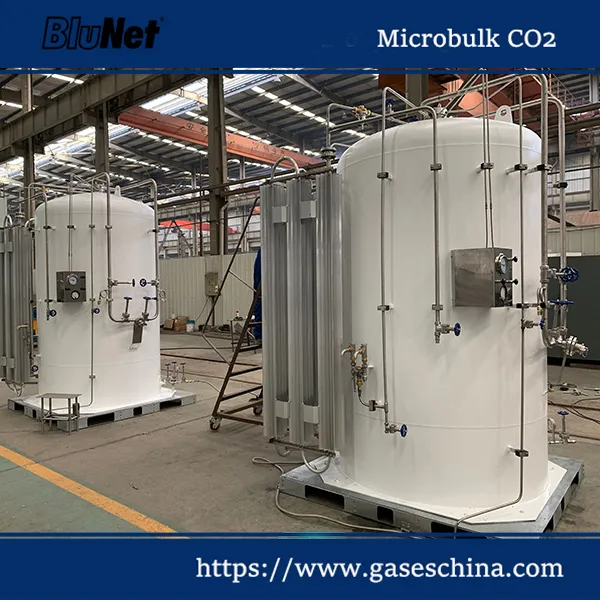
This category covers the core technologies, equipment, and engineering principles behind modern cryogenic systems. From vacuum-insulated storage tanks and vaporizers to pressure control systems and safety devices, each component plays a a critical role in maintaining temperature stability, product purity, and operational safety.

Our articles explain how cryogenic systems are used across sectors including medical, industrial gas supply, energy, food processing, electronics, and research. You’ll also find guidance on system design, insulation methods, boil-off gas management, and safe operation practices.

Whether you are an engineer, plant manager, gas distributor, or procurement specialist, this section provides practical insights to help you understand, select, and maintain reliable cryogenic solutions.

Topics Covered in This Category

  • Cryogenic storage tank design
  • Dewar vessels and vacuum insulation technology
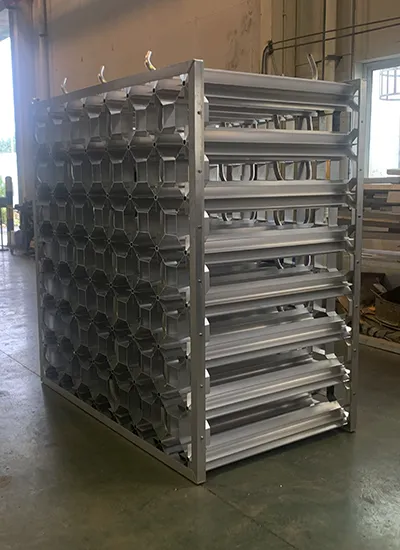
  • Cryogenic vaporizers and gasification systems
  • Liquid nitrogen, oxygen, argon, and LNG systems
  • Pressure control and safety relief systems
  • Boil-off gas (BOG) management
  • Cryogenic pipeline and valve systems
  • Filling, transfer, and handling procedures
  • Safety standards and operating guidelines
  • Common problems and maintenance tips

Learn More About Cryogenic Technology

Browse the articles below to explore how cryogenic systems improve efficiency, safety, and reliability in low-temperature gas storage and supply across a wide range of industries.