

Liquefied Natural Gas (LNG) is one of the fastest-growing energy solutions in global energy infrastructure. By cooling natural gas to approximately −162°C, its volume is reduced by nearly 600 times, allowing safe storage and long-distance transportation.
However, LNG cannot be used in pipelines, power plants, industrial boilers, or fueling stations in liquid form. It must first be converted back into gaseous state through a controlled thermal process known as LNG regasification.
This guide explains LNG regasification systems in detail — including process flow, vaporizer types, cryogenic equipment, pressure control, boil-off gas management, safety systems, design codes, and industrial applications.
What Is an LNG Regasification System?
An LNG regasification system is a fully engineered cryogenic process unit designed to:
- Transfer LNG from insulated storage tanks
- Pressurize liquid natural gas using cryogenic pumps
- Vaporize LNG through controlled heat exchange
- Deliver pipeline-quality natural gas at regulated temperature and pressure
These systems are installed in LNG receiving terminals, LNG satellite stations, LNG peak-shaving plants, LNG fueling stations, power generation facilities, industrial manufacturing plants, and marine bunkering terminals.
LNG Regasification Process Flow Explained
1. Cryogenic LNG Storage
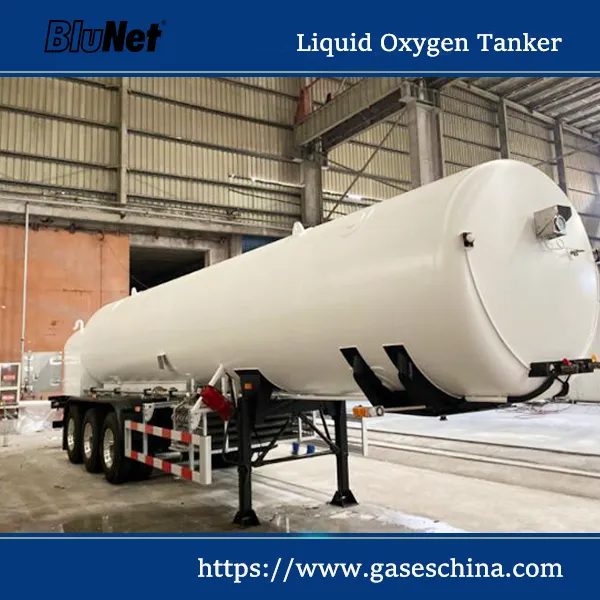
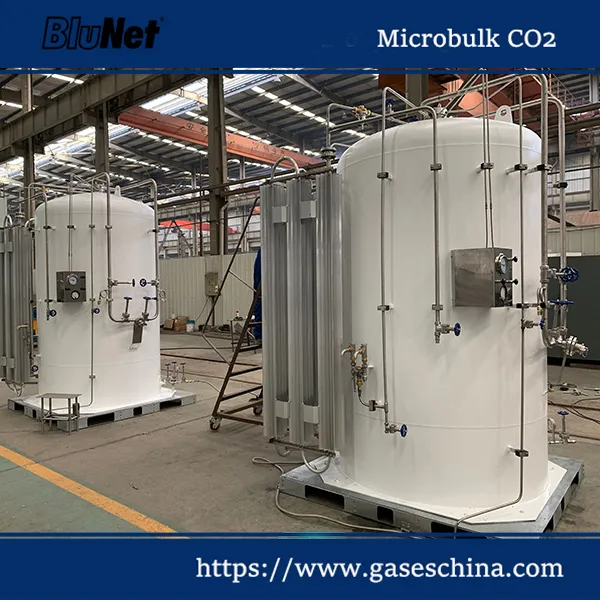
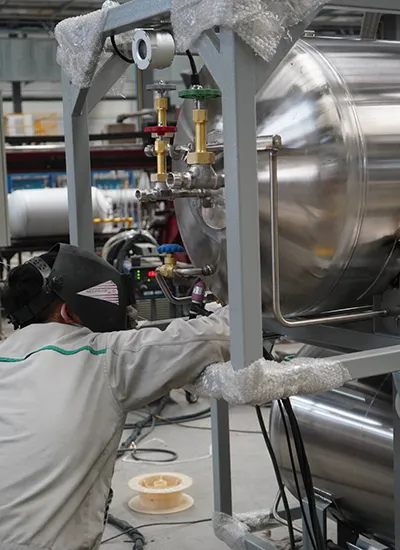
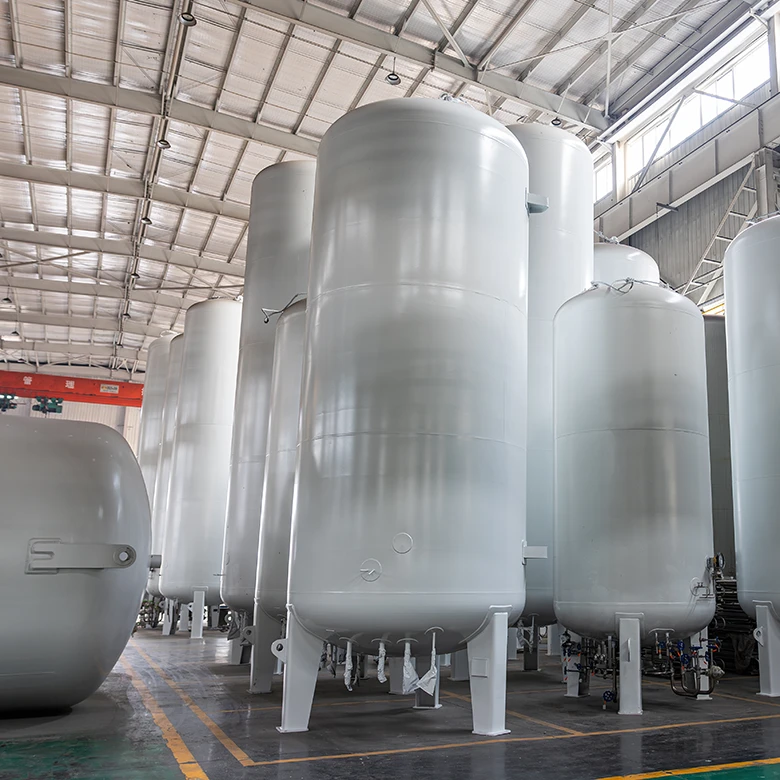
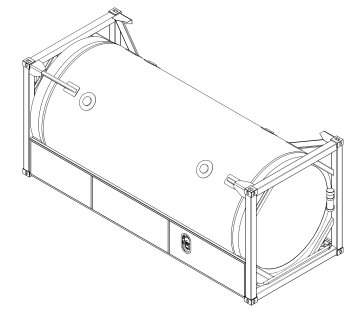
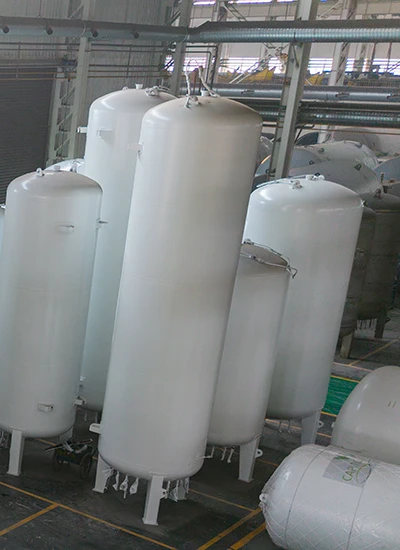
LNG is stored in double-wall vacuum insulated cryogenic storage tanks. These tanks minimize heat ingress, reduce boil-off gas (BOG), and maintain stable low temperature. Common storage tank designs include vertical LNG tanks, horizontal LNG tanks, and full containment storage systems.
2. LNG Transfer & Pressurization
LNG is pumped from storage to the vaporization unit using submerged cryogenic pumps or external centrifugal cryogenic pumps. The pump increases LNG pressure to match downstream gas pipeline requirements. Typical discharge pressure range: 0.4 MPa – 4.0 MPa.
3. LNG Vaporization (Core Operation)
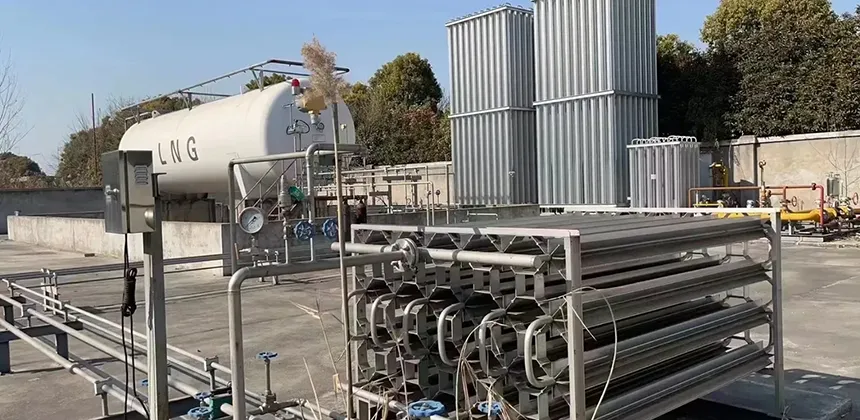
The vaporizer is the heart of a regasification system. It introduces thermal energy into the LNG to convert it into natural gas. Heat transfer methods determine system type and efficiency.
4. Gas Heating & Superheating
After vaporization, natural gas temperature may still be low. A gas heater ensures stable outlet temperature, prevents pipeline condensation, and protects downstream equipment.
5. Pressure Regulation & Metering
Gas passes through pressure regulating stations, flow measurement systems, temperature sensors, and emergency shut-down valves. The gas is then delivered to the pipeline or industrial user.
Main Types of LNG Vaporizers
Selecting the correct vaporizer is critical for system performance, operating cost, and environmental suitability.
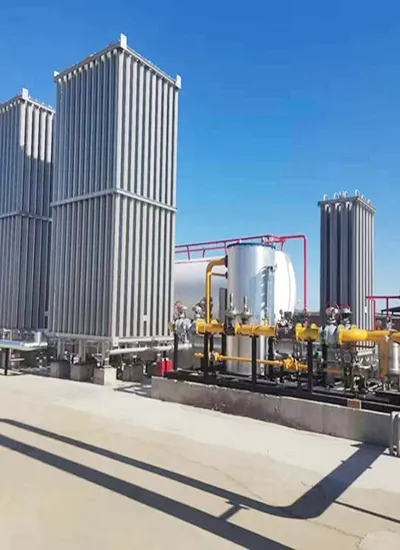
Ambient Air Vaporizer (AAV)
Ambient air vaporizers use natural atmospheric air as the heating medium.
- Advantages: No external fuel consumption, low operating cost, simple structure, suitable for small-scale LNG stations
- Best for LNG satellite stations, industrial LNG supply, remote energy systems
- Limitations: Reduced efficiency in extremely cold climates
Open Rack Vaporizer (ORV)
Open rack vaporizers use seawater as the heat source.
- Advantages: High capacity, continuous operation, energy efficient for coastal terminals
- Common in large LNG import terminals, coastal regasification facilities
Submerged Combustion Vaporizer (SCV)
SCV systems burn natural gas to heat water, which then vaporizes LNG.
- Advantages: High reliability, suitable for cold environments, stable performance under peak load
- Used in peak shaving plants, cold climate installations
Intermediate Fluid Vaporizer (IFV)
Uses an intermediate fluid (propane or glycol) for indirect heat exchange.
- Advantages: Controlled temperature, enhanced safety, suitable for modular systems
Boil-Off Gas (BOG) Management in Regasification Systems
Even with high-quality insulation, LNG naturally generates vapor due to minimal heat ingress.
Effective BOG handling includes BOG compressors, re-condensation systems, gas return lines, and re-liquefaction units. Proper BOG control prevents overpressure, energy loss, and environmental emission. Efficient BOG systems improve operational economics and regulatory compliance.
LNG Regasification System Configurations by Scale
Small-Scale LNG Regasification
Capacity: 50 – 5,000 Nm³/h
Applications: Industrial plants, manufacturing facilities, small cities without pipeline access. Often skid-mounted and modular for fast installation.
Medium-Scale LNG Stations
Capacity: 5,000 – 100,000 Nm³/h
Used in regional energy supply, power plants, large factories. Usually combine ambient vaporizers and backup combustion vaporizers.
Large LNG Receiving Terminals
Capacity: Millions of Nm³/day. Installed at ports receiving LNG carriers. Include multiple ORVs, high-capacity BOG compressors, advanced SCADA control systems, redundant safety systems.
Engineering Design Considerations
Cryogenic Material Selection
Materials must resist ultra-low temperatures, thermal shock, structural contraction. Common materials: 9% Nickel steel, stainless steel, low-temperature carbon steel.
Thermal Expansion Control
Piping systems require expansion joints, flexible supports, stress analysis.
Pressure Safety Design
Systems must include pressure relief valves, emergency shutdown valves, double block & bleed systems, overpressure protection.
Automation & Control
Modern LNG stations use PLC systems, SCADA monitoring, remote diagnostics, and gas detection sensors. Automation improves operational safety and reliability.
Safety Requirements & International Standards
LNG regasification facilities must comply with ASME Section VIII, API Standards, EN 13445, PED 2014/68/EU, NFPA 59A, ISO 16903. Safety systems include gas leak detection, fire suppression, explosion-proof electrical equipment, and ESD systems.
Industrial Applications
LNG regasification systems are a vital component of the global energy infrastructure, providing reliable and flexible natural gas supply to multiple industries. These systems enable safe conversion of cryogenic LNG into pipeline-quality gas and support a variety of industrial, commercial, and transportation applications.
LNG Satellite Stations
Small- to medium-scale LNG satellite stations are designed to provide natural gas to cities, towns, and industrial zones that lack direct pipeline infrastructure. These satellite stations can deliver steady gas supply for municipal heating, industrial facilities, and regional energy distribution, ensuring uninterrupted access to natural gas in remote or developing areas.
Industrial Fuel Switching
Many industrial facilities are adopting industrial LNG fuel switching solutions to replace conventional fuels like coal, diesel, and heavy fuel oil with cleaner natural gas. This transition reduces greenhouse gas emissions, lowers fuel costs, and improves operational efficiency in sectors such as manufacturing, chemical processing, and heavy industry.
Power Generation
LNG regasification systems supply stable and controlled natural gas flow to LNG-powered power plants and gas turbines. Consistent gas pressure and temperature are critical to maintain turbine efficiency, reduce downtime, and ensure reliable electricity generation for utilities and industrial operations.
LNG Fueling Stations
Regasified LNG can also be converted to compressed natural gas (CNG) to support LNG vehicle fueling infrastructure. LNG fueling stations provide eco-friendly fuel for heavy-duty trucks, public transport buses, and logistics fleets, enabling cleaner transportation solutions while leveraging existing LNG supply chains.
Marine & Bunkering
Marine LNG bunkering systems are increasingly used for LNG-powered vessels, including cargo ships, ferries, and cruise ships. These systems can operate either onboard the vessel or at port terminals, providing safe and efficient LNG supply for shipping fleets while helping ports and shipping operators meet stricter emission regulations.
Advantages
- Lower carbon emissions
- Flexible installation
- Modular scalability
- High energy efficiency
- Suitable for remote regions
- Reduced fuel transportation cost
Emerging Trends in LNG Regasification (2026 Outlook)
Industry trends: Floating Storage Regasification Units (FSRU), modular skid-mounted micro LNG stations, digital monitoring & predictive maintenance, hydrogen blending compatibility, energy recovery vaporizers, low-emission combustion systems. Small-scale LNG infrastructure is expanding in Asia, Africa, and Latin America.
Safety Standards and Regulatory Compliance
Cryogenic units are designed and operated in accordance with international safety standards such as ASME, EN 13458, ISO 21009, CGA guidelines, and ADR or IMDG transport regulations. Safety considerations include overpressure protection, oxygen deficiency hazard prevention, material embrittlement control, and emergency venting systems.
Conclusion
LNG regasification systems are a critical component of the global natural gas value chain. By safely converting cryogenic LNG into pipeline-ready natural gas, these systems enable reliable, flexible, and cleaner energy distribution.
A properly engineered system integrates vacuum insulated LNG storage, cryogenic pumping technology, efficient vaporization units, pressure regulation systems, advanced BOG management, and certified safety and control systems. With growing global energy demand and transition toward lower-carbon fuels, LNG regasification remains a cornerstone of modern industrial energy infrastructure.

No comment