

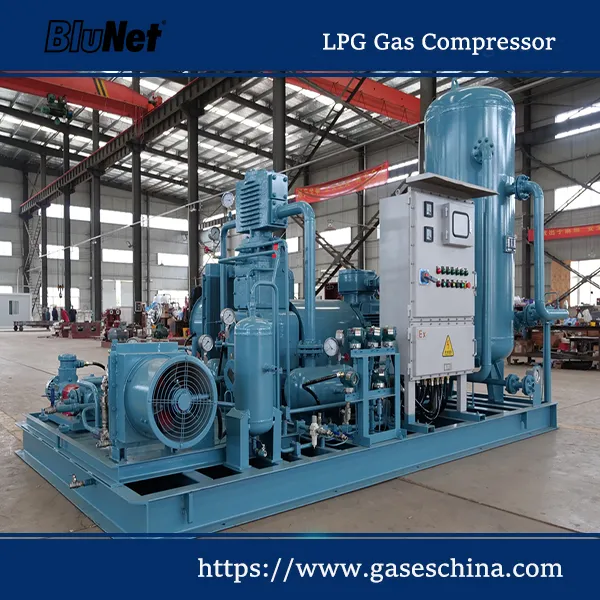
A cryogenic unit is a highly engineered system designed to produce, process, store, and transfer fluids at extremely low temperatures, typically below –150°C (–238°F). At these temperatures, gases such as nitrogen, oxygen, argon, hydrogen, helium, and natural gas condense into liquid form, enabling efficient storage, transport, and industrial use.
Cryogenic units are essential infrastructure in industrial gas production, LNG energy systems, healthcare, electronics manufacturing, and scientific research. Their design integrates thermodynamics, materials science, pressure vessel engineering, and advanced insulation technology to ensure safety, efficiency, and long-term reliability.
Fundamental Principles of Cryogenic Technology
Gas Liquefaction at Cryogenic Temperatures
Liquefaction is the core process behind every cryogenic unit. Gases are cooled below their boiling points through a combination of compression, heat exchange, and controlled expansion. Each cryogenic fluid has a distinct boiling temperature, which determines system design and operating conditions.
- Liquid nitrogen: –196°C
- Liquid oxygen: –183°C
- Liquid argon: –186°C
- Liquefied natural gas (LNG): approx. –162°C
- Liquid hydrogen: –253°C
Thermal Insulation and Heat Management
At cryogenic temperatures, even minimal heat ingress can cause rapid vaporization. Cryogenic units rely on vacuum insulation, multilayer insulation (MLI), or perlite-filled annular spaces to reduce heat transfer and control boil-off rates.
Material Performance at Low Temperatures
Cryogenic systems require materials that maintain toughness and ductility at extremely low temperatures. Commonly used materials include austenitic stainless steel, aluminum alloys, and nickel-based steels, all selected to prevent brittle fracture.
Core Functions of a Cryogenic Unit
Depending on application and system design, a cryogenic unit may perform one or more of the following critical functions:
- Liquefaction and cooling of industrial or fuel gases
- Cryogenic storage with controlled pressure and minimal boil-off
- Liquid transfer and distribution using cryogenic pumps and insulated piping
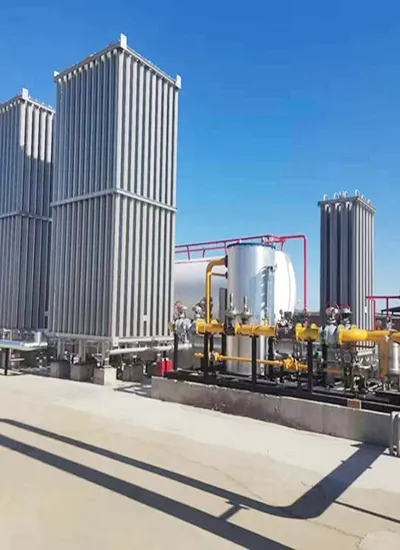
- Regasification through ambient, electric, or water-bath vaporizers
Key Components of a Cryogenic Unit
A complete cryogenic unit integrates multiple subsystems designed for safe and stable operation:
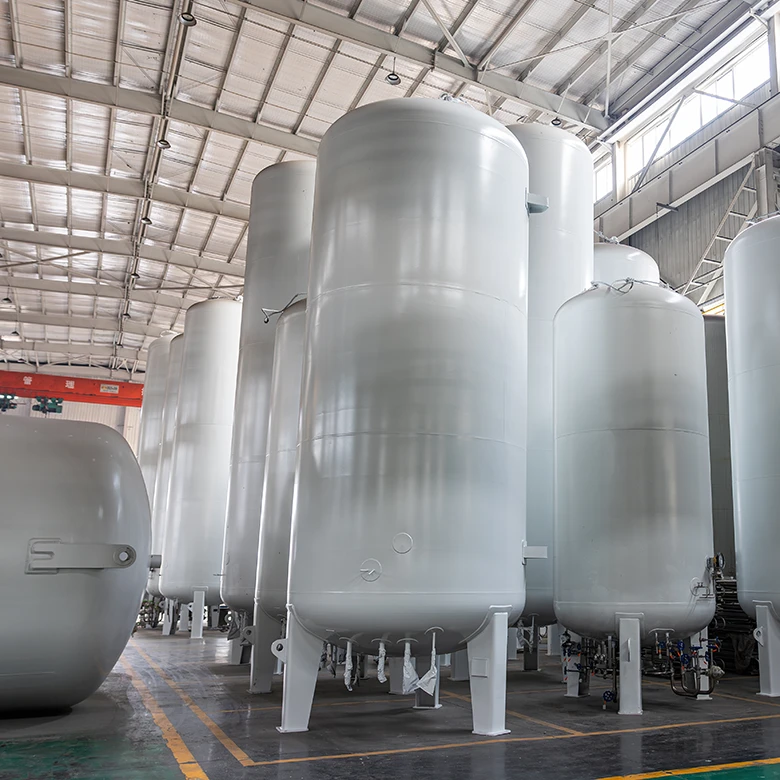
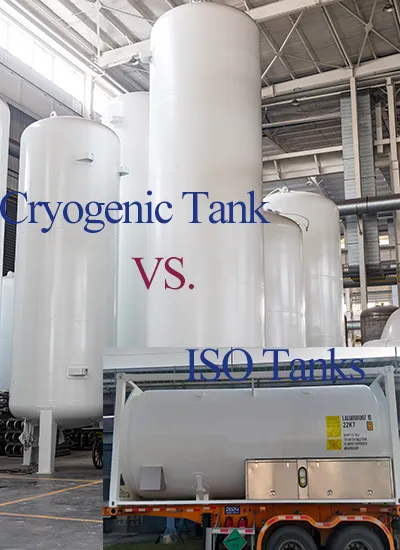
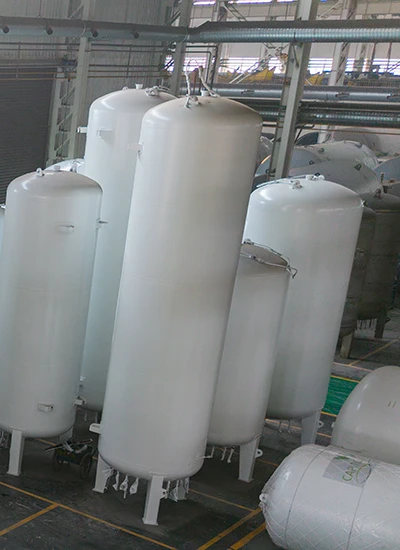
- Cryogenic storage tanks – double-wall, vacuum-insulated pressure vessels
- Cold boxes and heat exchangers – plate-fin or coil-wound designs
- Cryogenic pumps – centrifugal or reciprocating, optimized for low heat input
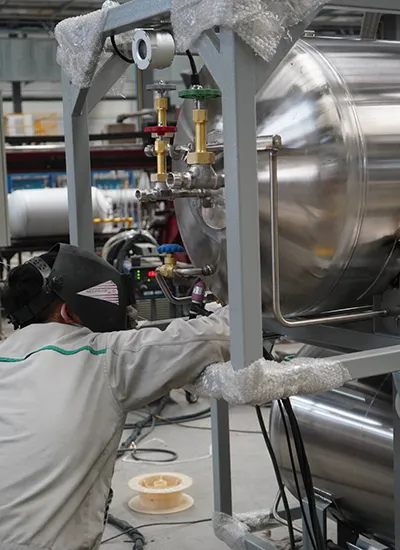
- Valves and safety devices – cryogenic-rated control and relief valves
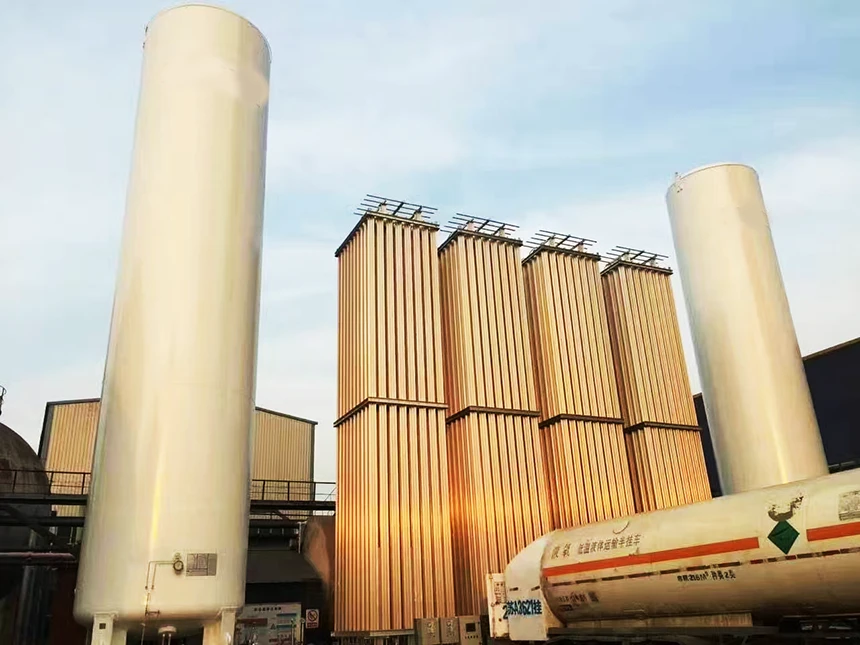
- Vaporizers – controlled conversion from liquid to gaseous state
Cryogenic Air Separation Units (ASUs)
Cryogenic Air Separation Units (ASUs) are large-scale cryogenic systems used to separate atmospheric air into oxygen, nitrogen, and argon through cryogenic distillation.
In an ASU, filtered air is compressed, purified, cooled to cryogenic temperatures, and fed into distillation columns where gas components separate based on different boiling points. Double-column and triple-column configurations are commonly used in industrial-scale plants.
ASUs are widely deployed in steelmaking, petrochemical processing, electronics manufacturing, and medical oxygen supply.
LNG Cryogenic Units
LNG cryogenic units liquefy natural gas at approximately –162°C, reducing its volume by about 600 times. This volume reduction enables economical storage and long-distance transportation.
A typical LNG cryogenic unit includes liquefaction trains, cryogenic storage tanks, boil-off gas management systems, LNG pumps, and regasification vaporizers. These systems are essential in LNG terminals, peak-shaving facilities, and LNG fueling infrastructure.
Microbulk Cryogenic Units
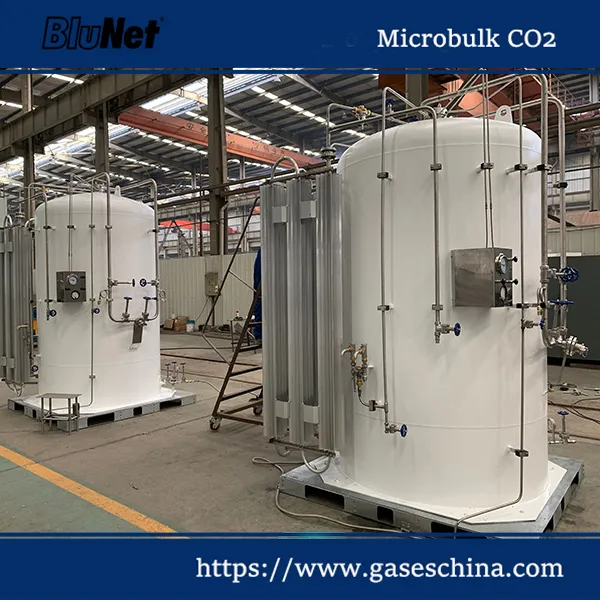
Microbulk cryogenic units are compact storage and supply systems, typically ranging from 450 to 3,000 liters. They bridge the gap between high-pressure cylinders and large bulk storage tanks.
Microbulk systems reduce cylinder handling, improve supply stability, and offer automated gas delivery for laboratories, hospitals, food processing plants, and small manufacturing facilities.
Cryogenic ISO Tank Units
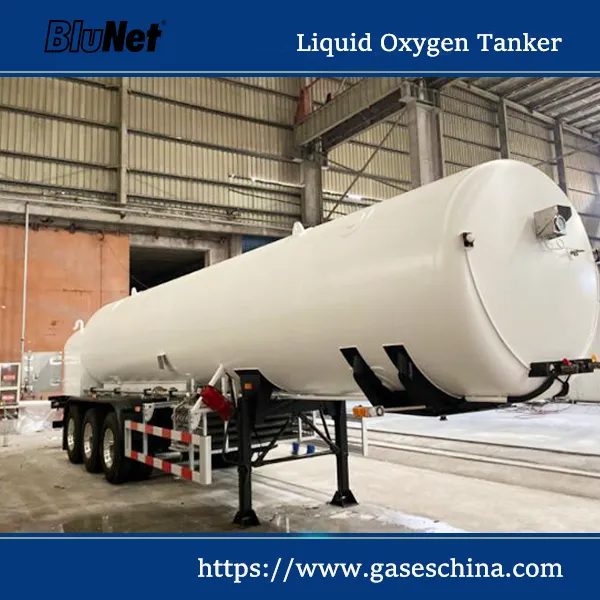
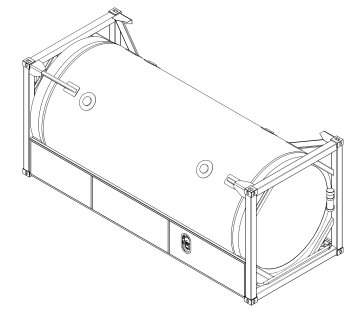
Cryogenic ISO tanks are transportable cryogenic units designed to ISO standards for intermodal transport by road, rail, and sea. They consist of a stainless steel inner vessel, carbon steel outer shell, and high-performance vacuum insulation.
ISO tanks are widely used for transporting liquid nitrogen, oxygen, argon, LNG, and liquid CO₂ across international supply chains, particularly for remote or temporary gas supply projects.
Safety Standards and Regulatory Compliance
Cryogenic units are designed and operated in accordance with international safety standards such as ASME, EN 13458, ISO 21009, CGA guidelines, and ADR or IMDG transport regulations. Safety considerations include overpressure protection, oxygen deficiency hazard prevention, material embrittlement control, and emergency venting systems.
Conclusion
Cryogenic units are foundational technologies supporting modern industry, clean energy systems, advanced healthcare, and scientific research. From large-scale ASUs and LNG plants to microbulk systems and ISO tank containers, cryogenic units deliver reliable, efficient, and scalable low-temperature solutions worldwide.
As demand for industrial gases, LNG, hydrogen energy, and precision manufacturing continues to grow, cryogenic units will remain a critical component of global infrastructure.
TECHNICAL QUESTIONS
Frequently asked questions About Cryogenic Units
A cryogenic unit is an engineered system designed to liquefy, store, and transfer gases at extremely low temperatures, typically below −150 °C (−238 °F). These systems handle gases such as nitrogen, oxygen, argon, hydrogen, helium, and natural gas in liquid form to improve storage density and transportation efficiency.
A cryogenic unit cools gases through a sequence of compression, heat exchange, and controlled expansion until the gas reaches its liquefaction temperature. The system typically includes compressors, cryogenic heat exchangers, expansion turbines or valves, vacuum-insulated storage tanks, pumps, and vaporizers.
Cryogenic units commonly process and store liquid nitrogen (LIN), liquid oxygen (LOX), liquid argon (LAR), liquefied natural gas (LNG), liquid hydrogen (LH2), and liquid helium. These gases require cryogenic systems because their boiling points range from approximately −162 °C to −269 °C.
Liquefying gases significantly reduces their volume, allowing more efficient storage and transportation. For example, natural gas becomes liquefied natural gas (LNG) at about −162 °C, reducing its volume by roughly 600 times compared with gaseous form.
A typical cryogenic unit includes cryogenic storage tanks, cold boxes and heat exchangers, cryogenic pumps, vacuum-insulated piping, pressure control and safety valves, and vaporizers for converting cryogenic liquids back to gas.
Boil-off gas (BOG) is the vapor produced when a small portion of cryogenic liquid evaporates due to unavoidable heat ingress. BOG is typically managed through pressure control systems, gas recovery systems, compressors, or reliquefaction processes.
Cryogenic equipment commonly uses materials that retain strength and ductility at extremely low temperatures, including austenitic stainless steel such as 304 and 316L, aluminum alloys, 9 percent nickel steel used in LNG tanks, and specialized nickel-based alloys.

No comment