

This comprehensive gas cylinders guide explains the design, manufacturing principles, safety standards, and international compliance requirements for industrial gas cylinders used in global applications. Gas storage systems play a critical role in compressed gas storage, high-pressure vessels, and regulated pressure vessels across manufacturing, medical, laboratory, and energy industries. Understanding certified gas containers, inspection protocols, and international compliance frameworks ensures safe operation, long service life, and regulatory approval in different markets.
This guide in BluNet resources is designed to help engineers, procurement teams, and distributors select the appropriate industrial gas cylinders based on technical standards and application requirements.
1. What Is a Gas Cylinder?
A gas cylinder is a seamless or composite pressure vessel engineered to store gases under high pressure safely. Depending on application, gases may be stored in:
- Compressed form (e.g., oxygen, nitrogen, argon)
- Liquefied form (e.g., CO₂, LPG)
- Dissolved form (e.g., acetylene)
Gas cylinders are designed to withstand internal pressures typically ranging from 150 bar to over 300 bar, depending on the standard and application.
The structural integrity of a gas cylinder is achieved through:
- Controlled material selection
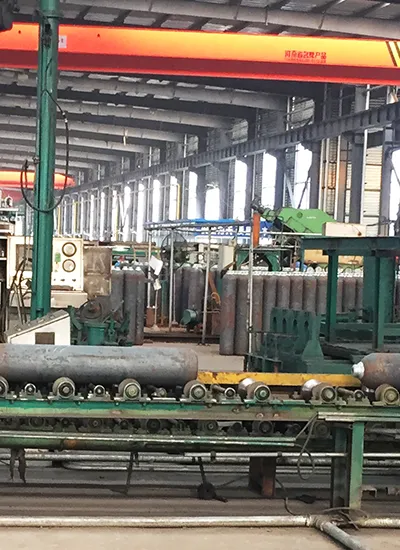
- Precision manufacturing processes
- Heat treatment procedures
- Non-destructive testing
- Strict quality inspection
2. Gas Cylinder Design Principles
Industrial gas cylinders are engineered based on pressure vessel mechanics and safety engineering principles.
Key design factors include:
Wall Thickness Calculation
Determined by design pressure, material strength, and safety factor requirements.
Safety Factor
Typically defined by international standards to ensure structural reliability under extreme conditions.
Working Pressure vs Test Pressure
– Working pressure: Normal operational pressure
– Test pressure: Higher pressure used during hydrostatic testing
Neck Design
The cylinder neck must match valve thread standards to ensure compatibility and sealing integrity.
3. Types of Gas Cylinders
Gas cylinders are manufactured in various designs to meet different pressure requirements, gas properties, and industry applications. The most common classifications are based on construction material and intended use, with each type offering unique advantages for safety, durability, weight, and performance.
Steel Gas Cylinders
Seamless steel cylinders are the industry standard for storing high-pressure compressed gases because of their exceptional strength and long service life. They are commonly manufactured from 34CrMo4 or 37Mn steel and certified to ISO 9809, DOT, and TPED standards.
Aluminium Gas Cylinders
Aluminium cylinders provide excellent corrosion resistance and a lighter alternative to steel cylinders for easier handling. They are widely used for medical oxygen, specialty gases, laboratories, diving, and beverage applications.
Composite Gas Cylinders
Composite cylinders combine lightweight fibre-reinforced materials with high-pressure performance for portable gas storage. They are commonly used for SCBA, hydrogen, and CNG applications where weight reduction is essential.
Medical Gas Cylinders
Medical gas cylinders are manufactured under strict cleanliness and quality requirements for healthcare applications. They are widely used to store oxygen, nitrous oxide, medical air, and other therapeutic gases.
Industrial Gas Cylinders
Industrial gas cylinders safely store compressed gases used in manufacturing, welding, laboratories, chemical processing, and energy industries. They are available in a wide range of capacities, pressure ratings, and valve configurations.
CNG Cylinders
CNG cylinders are designed to safely contain compressed natural gas at high pressure for alternative fuel vehicles. They are available as Type 1, Type 2, Type 3, and Type 4 cylinders for different transportation applications.
SCBA Cylinders
SCBA cylinders provide breathing air for firefighters, rescue teams, and hazardous industrial environments. They are manufactured from steel or composite materials and commonly rated at 221, 300, or 450 bar.
LPG Cylinders
LPG cylinders safely store propane and butane for residential, commercial, and industrial energy applications. They are manufactured to international safety standards for filling, transportation, and long-term service.
Cryogenic Cylinders
Cryogenic cylinders are vacuum-insulated pressure vessels designed for storing liquefied gases at extremely low temperatures. They are widely used for liquid oxygen, nitrogen, argon, carbon dioxide, LNG, and other cryogenic liquids.
Microbulk Systems
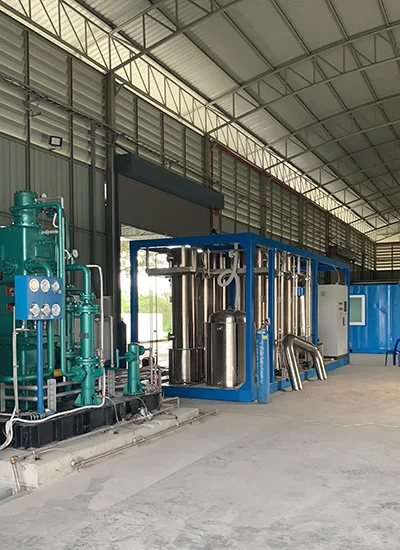
Microbulk systems bridge the gap between individual gas cylinders and large bulk storage tanks. They provide a continuous gas supply with fewer cylinder changes, lower operating costs, and improved supply efficiency.
Gas Cylinder Classification by Gas Type
Gas cylinders are designed for specific gases based on their physical and chemical properties. Selecting the correct cylinder ensures safe storage, regulatory compliance, and reliable performance throughout transportation and end-use applications.
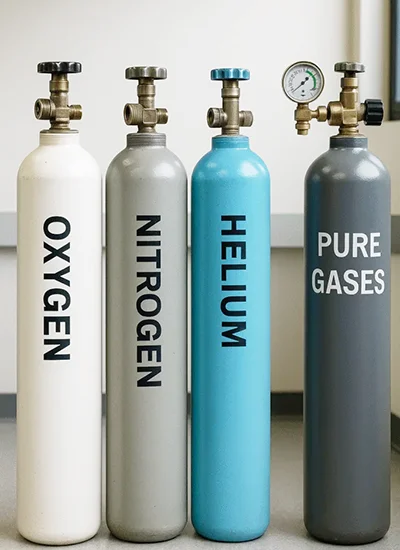
Oxygen Cylinders
Oxygen cylinders safely store compressed oxygen for medical treatment, metal cutting, welding, and industrial processes. They are manufactured in various sizes and pressure ratings to meet healthcare and industrial gas supply requirements.
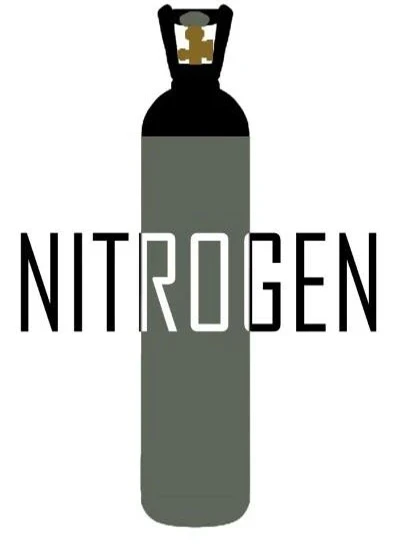
Nitrogen Cylinders
Nitrogen cylinders provide a reliable supply of inert gas for food packaging, electronics manufacturing, chemical processing, and laboratories. They are commonly used for blanketing, purging, pressure testing, and industrial gas applications.
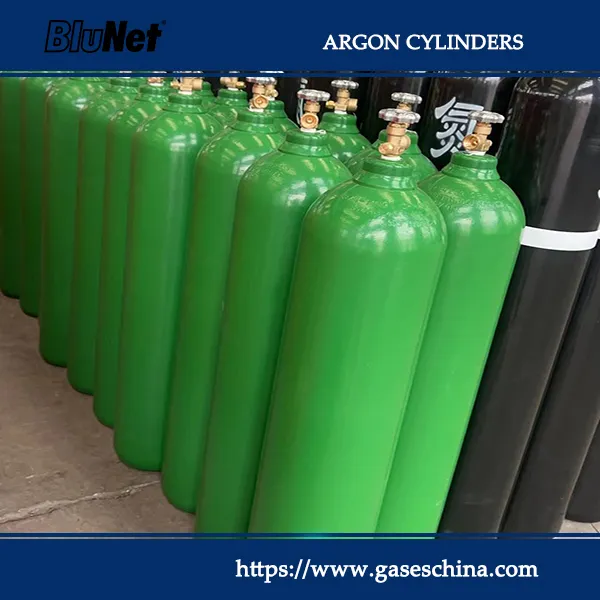
Argon Cylinders
Argon cylinders store high-purity argon gas used primarily for TIG, MIG, and plasma welding applications. They are also widely used in metallurgy, semiconductor manufacturing, scientific research, and laboratory environments.
Carbon Dioxide (CO₂) Cylinders
Carbon dioxide cylinders are designed for storing liquefied CO₂ used in beverage carbonation, fire protection, welding, and food processing. They are manufactured to safely withstand the vapor pressure generated by liquefied carbon dioxide.
Hydrogen Cylinders
Hydrogen cylinders provide secure storage for compressed hydrogen used in fuel cells, chemical production, and clean energy systems. They are designed to meet demanding pressure, safety, and transportation requirements.
Helium Cylinders
Helium cylinders supply high-purity helium for MRI systems, leak detection, scientific research, aerospace, and balloon inflation. They are available in various capacities to support industrial, medical, and laboratory applications.
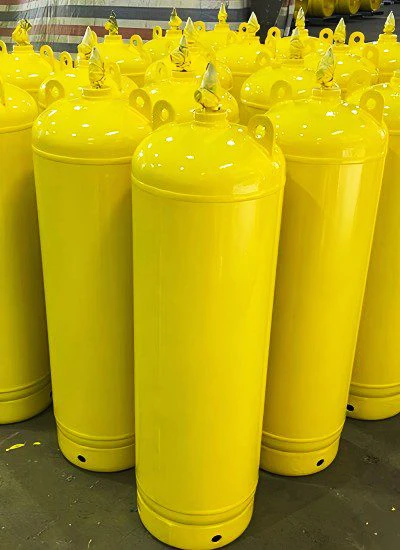
Acetylene Cylinders
Acetylene cylinders are specially designed with porous filler material and solvent to safely store dissolved acetylene gas. They are widely used for oxy-fuel welding, cutting, brazing, and metal fabrication applications.
SF₆ Cylinders
SF₆ cylinders safely contain sulfur hexafluoride used for electrical insulation and high-voltage switchgear applications. They are manufactured with leak-tight valves to maintain gas purity and minimize environmental emissions.
Nitrous Oxide Cylinders
Nitrous oxide cylinders store medical and food-grade nitrous oxide for anesthesia, pain management, and food processing. They are manufactured under strict quality standards to ensure product purity and safe handling.
Ammonia Cylinders
Ammonia cylinders are designed for storing anhydrous ammonia used in refrigeration, agriculture, and chemical manufacturing. They are manufactured with materials compatible with ammonia service conditions and pressure requirements.
LNG Cylinders
LNG cylinders use vacuum insulation technology to safely store liquefied natural gas at cryogenic temperatures for transportation and energy applications. They help minimize boil-off losses while maintaining efficient fuel storage.
LPG Cylinders
LPG cylinders safely contain propane and butane for cooking, heating, forklifts, and industrial fuel applications. They are available in different capacities and designs for residential, commercial, and industrial use.
Ethylene Cylinders
Ethylene cylinders provide reliable storage for compressed ethylene used in chemical production, fruit ripening, and research laboratories. They are manufactured to maintain gas purity and ensure safe handling during storage and transportation.
Ethylene Oxide Cylinders
Ethylene oxide cylinders safely store sterilization gas used in healthcare, pharmaceutical, and industrial processing applications. They require specialized handling procedures due to ethylene oxide’s flammability and chemical properties.
Gas Cylinder Classification by Pressure
Gas cylinders are also classified by their working pressure, which determines storage capacity, application range, and design requirements. Higher-pressure cylinders can store more gas in the same volume but require stronger materials, advanced manufacturing processes, and stricter safety testing.
Low-Pressure Gas Cylinders
Low-pressure gas cylinders are designed for gases that require lower storage pressures while maintaining safe and stable operation. They are commonly used for liquefied gases and selected industrial applications where moderate pressure storage is sufficient.
Medium-Pressure Gas Cylinders
Medium-pressure gas cylinders provide a balance between gas capacity, handling convenience, and operational safety. They are widely used in laboratories, workshops, and general industrial gas supply systems.
High-Pressure Gas Cylinders
High-pressure gas cylinders are engineered to safely store compressed gases at typical working pressures from 150 to 300 bar. They require high-strength materials, precision manufacturing, and hydrostatic testing to ensure reliable performance.
Ultra-High Pressure Gas Cylinders
Ultra-high pressure gas cylinders are designed for advanced applications requiring maximum gas storage efficiency and compact design. They are commonly manufactured using high-strength steel or composite materials for demanding energy and industrial applications.
150 Bar Gas Cylinders
150 bar gas cylinders are commonly used for industrial gas storage where moderate working pressure meets operational requirements. They provide a practical solution for storing and transporting various compressed gases.
200 Bar Gas Cylinders
200 bar gas cylinders are one of the most widely used pressure ratings for oxygen, nitrogen, argon, helium, and other industrial gases. They offer a good balance between gas capacity, portability, safety, and transportation efficiency.
232 Bar Gas Cylinders
232 bar gas cylinders are frequently used for breathing air systems, diving equipment, and self-contained breathing apparatus. They provide increased gas storage capacity while maintaining compatibility with common filling and handling systems.
300 Bar Gas Cylinders
300 bar gas cylinders provide higher storage capacity compared with standard pressure cylinders of similar size. They are commonly used for industrial gases, SCBA systems, and specialty gas applications requiring higher pressure storage.
450 Bar Gas Cylinders
450 bar gas cylinders are designed for applications requiring higher pressure and improved storage density. They are often used in advanced breathing air systems and high-performance gas storage solutions.
700 Bar Gas Cylinders
700 bar gas cylinders represent advanced high-pressure storage technology mainly used for hydrogen fuel systems and clean energy applications. They typically use composite construction to achieve high strength, reduced weight, and improved storage efficiency.
Looking for a Reliable Pressure Gas Supply Solution?
Whether you need compressed gas storage, transport, or on-site supply,
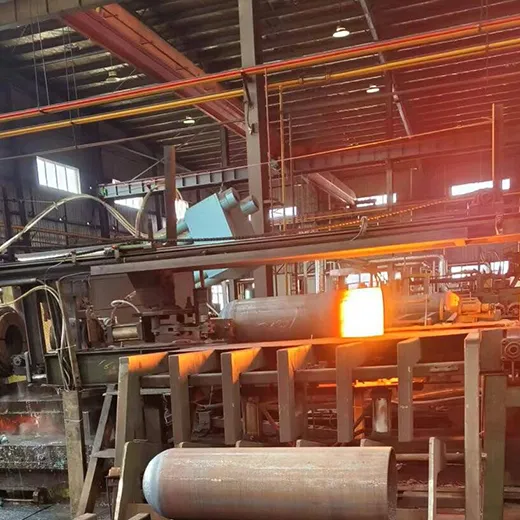
4. Gas Cylinder Materials and Metallurgy
Material selection directly affects pressure resistance, durability, and corrosion performance.
Common Materials
- Seamless carbon steel
- Alloy steel
- Aluminium alloys
- Carbon fibre composites
Advanced Manufacturing Processes
- Hot spinning
- Cold drawing
- Heat treatment
- Stress relieving
- Surface coating or painting
Proper metallurgical control ensures structural uniformity and long service life.
5. International Gas Cylinder Standards
Gas cylinders must comply with strict national and international regulatory frameworks.
Major standards include:
- ISO standards
- EN standards (Europe)
- DOT regulations (United States)
- TPED directives
- GB standards (China)
- AS standards (Australia)
- BIS standards (India)
These standards regulate:
- Design specifications
- Material requirements
- Testing procedures
- Certification markings
- Traceability systems
Compliance ensures global trade compatibility and operational safety.
6. Gas Cylinder Valves and Thread Standards
Valve connection systems are critical for preventing incorrect gas installation.
Common thread standards include:
- CGA (North America)
- DIN (Europe)
- BS (United Kingdom)
- ISO-compatible systems
- National standards (GB, JIS, AS)
Thread specifications define:
- Diameter
- Pitch
- Thread direction (left-hand/right-hand)
- Sealing method
- Pressure rating compatibility
Proper thread matching prevents cross-connection and enhances operational safety.
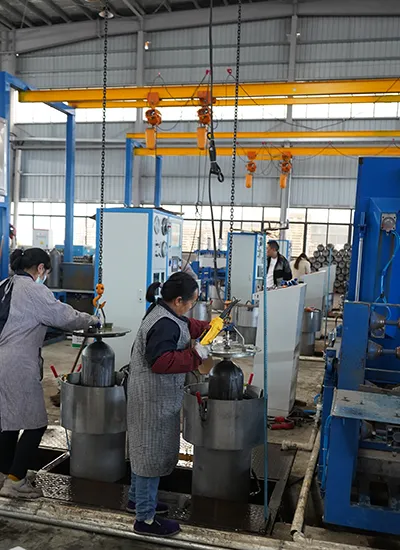
7. Gas Cylinder Testing and Inspection
Routine inspection and certification are mandatory for safe operation.
Common testing methods include:
- Hydrostatic pressure testing
- Ultrasonic testing
- Visual inspection
- Leak detection testing
- Valve performance testing
Cylinders must undergo periodic recertification according to regional regulations.
Proper documentation ensures traceability and compliance.
8. Gas Cylinder Safety Requirements
Safe handling practices include:
- Use of protective valve caps
- Secure upright storage
- Avoiding heat exposure
- Preventing physical damage
- Proper transport securing methods
Industrial gas systems should include:
- Pressure regulators
- Relief valves
- Monitoring systems
- Leak detection procedures
Safety compliance reduces operational risks and ensures long-term reliability.
9. Gas Cylinder Applications Across Industries
Gas cylinders are widely used for the safe storage and transportation of industrial, medical, and specialty gases. Different industries require different cylinder materials, pressure ratings, valve types, and safety standards depending on the gas application.
- Industrial Manufacturing – Used for metal processing, production equipment, and industrial operations
- Welding and Fabrication – Supplying oxygen, argon, CO₂, and shielding gases for MIG, TIG, and laser welding
- Medical Gas Supply – Providing medical oxygen and other healthcare gases for hospitals and clinics
- Laboratory and Research – Supporting scientific testing, calibration, and analytical equipment with high-purity gases
- Energy and Power Industry – Used in LNG, hydrogen, natural gas, and power generation systems
- Petrochemical Processing – Supporting refining, chemical production, and industrial gas applications
- Food and Beverage Industry – Supplying food-grade CO₂ and nitrogen for carbonation, food packaging, and preservation
Choosing the correct gas cylinder helps ensure safety, gas compatibility, regulatory compliance, and reliable performance in different operating environments.
10. How to Select the Right Gas Cylinder
When choosing a gas cylinder, consider:
- Type of gas
- Operating pressure
- Country regulations
- Thread compatibility
- Material requirements
- Transport standards
- Environmental conditions
For international projects, ensure alignment with ISO, EN, or DOT certification requirements.
Consulting with an experienced manufacturer ensures technical compatibility and long-term safety performance.
TECHNICAL FAQs
About Gas Cylinders Guide
Gas cylinder standards define manufacturing, testing, and certification requirements for regulated pressure vessels used in international markets.
They undergo hydrostatic testing, visual inspection, and structural verification to ensure pressure integrity and compliance.
Seamless steel, aluminium alloys, and composite materials are commonly used depending on application requirements.
Thread compatibility prevents cross-connections and ensures safe regulator installation in compressed gas systems.
Professional Gas Cylinder Manufacturing Solutions
As a global industrial gas equipment manufacturer, we provide certified gas cylinders, cryogenic systems, valves, regulators, and customised storage solutions.
Our engineering team supports:
- Standard compliance consultation
- Custom design development
- International certification support
- Export-ready production
Contact us for technical support and project consultation.