

Sulfur hexafluoride (SF₆) is widely used as an insulating and arc-quenching gas in high-voltage electrical equipment, including gas-insulated switchgear (GIS) and circuit breakers. When purchasing SF₆ gas, buyers should evaluate more than the advertised purity percentage. Gas composition, moisture content, individual impurities, and the applicable technical specification all influence whether the gas is suitable for its intended application.
BluNet supplies industrial gases and gas packaging solutions for international customers. This guide explains common SF₆ purity grades, the meaning of 99.99% purity, relevant IEC specifications, certificate of analysis (COA) requirements, and the factors to consider when sourcing SF₆ gas.
1. SF₆ Gas Purity: What Does 99.99% Mean?
SF₆ gas purity describes the proportion of sulfur hexafluoride in a gas sample, usually expressed as a percentage by volume or mole fraction. The reported value depends on the analytical method, sample conditions, and reporting basis.
For example, a stated purity of 99.99% means that the measured SF₆ fraction is 99.99% on the specified basis. The remaining 0.01% represents other components collectively, subject to the measurement method and reporting convention.
However, a high SF₆ assay does not automatically demonstrate that every individual impurity meets its specified limit. Moisture, air, carbon tetrafluoride (CF₄), mineral oil, and acidic contaminants may require separate testing.
For electrical applications, IEC 60376:2018 provides specifications for technical-grade SF₆ and complementary gases intended for use in electrical equipment.
2. SF₆ Gas Purity Grades: 99.9%, 99.99%, and Higher
SF₆ gas is marketed with different purity claims depending on the supplier, product specification, and intended application. The following table compares common commercial descriptions. These percentages are not universal grades defined by IEC 60376.
| Advertised Purity | Description | What Buyers Should Verify |
|---|---|---|
| 99.9% | Three-nines commercial purity claim | Measured SF₆ content, impurity profile, and application requirements |
| 99.99% | Four-nines commercial purity claim | Assay method, moisture, air, CF₄, and other specified contaminants |
| 99.995% or higher | Higher advertised purity, where available | Verified analytical results and whether the tighter specification is necessary |
A higher advertised purity does not automatically establish conformity with an electrical equipment standard. Buyers should specify the required SF₆ content, individual impurity limits, testing methods, and applicable standard in the purchase specification.
For industrial procurement, the appropriate purity grade depends on the equipment manufacturer’s requirements and the intended use. A batch-specific certificate of analysis should support the agreed specification.
3. IEC 60376:2018 Specifications and Key SF₆ Impurities
IEC 60376:2018 provides a technical reference for new technical-grade SF₆ intended for electrical equipment, whether used as a pure gas or as part of an SF₆-based gas mixture.
The following table reproduces selected reference values from the original technical draft. These values must be checked against the full applicable edition of IEC 60376 before being used as contractual acceptance limits. They are not a complete specification.
| Parameter | Reference Value in Original Draft | Unit or Basis |
|---|---|---|
| SF₆ content | Greater than 98.5% for pure SF₆; greater than 99.7% for use in mixtures | Volume fraction |
| Air | Less than 10,000 for pure SF₆; less than 2,000 for use in mixtures | µl/l, equivalent to ppmv |
| Carbon tetrafluoride (CF₄) | Less than 4,000 for pure SF₆; less than 800 for use in mixtures | µl/l, equivalent to ppmv |
| Water (H₂O) | Less than 200 | ppmv |
| Mineral oil | Less than 10 | mg/kg (ppmw) |
| Total acidity | Less than 7 | µl/l (ppmv), subject to the standard’s reporting basis |
Technical note: The figures above are retained from the original draft and have not been independently verified against the full IEC text. Confirm the exact limits, applicable gas condition, analytical methods, and reporting conventions before publication or use in a purchase order.
Moisture content
Water content is an important quality parameter for electrical insulating gas. Excess moisture can affect gas quality and, under certain operating conditions, contribute to undesirable conditions inside electrical equipment.
Moisture may be reported in parts per million by volume (ppmv), parts per million by mass (ppmw), or as a dew-point or frost-point temperature. These measurements use different reporting bases and should not be compared directly without the appropriate conversion and reference conditions.
Air and other gases
Air and other gases may enter a cylinder or equipment compartment through inadequate evacuation, filling, handling, or sampling. Their presence can reduce the measured SF₆ concentration and affect compliance with the agreed gas specification.
Carbon tetrafluoride, mineral oil, and acidic contaminants
CF₄, mineral oil, and acidic contaminants are separate quality parameters with their own measurement methods and acceptance limits. Their significance depends on the applicable specification and intended use. A single headline purity percentage cannot replace the relevant individual impurity results.
4. How to Check an SF₆ Gas Certificate of Analysis (COA)
A certificate of analysis (COA) records analytical results for a product batch or sample. Before accepting an SF₆ delivery, buyers should confirm that the certificate identifies the supplied material and demonstrates compliance with the agreed purchase specification.
Review the following information where applicable:
- Product identification: Sulfur hexafluoride (SF₆), product grade, batch number, or lot number.
- SF₆ assay: Reported purity, analytical method, measurement units, and reporting basis.
- Moisture content: Measured water content, reporting units, and specified acceptance limit.
- Other impurities: Air, CF₄, mineral oil, total acidity, and any additional contaminants required by the purchase specification.
- Acceptance criteria: Actual test results compared with the agreed limits and applicable technical standard.
- Traceability: Test date, issuing laboratory or responsible organization, and authorized approval where applicable.
Check whether the COA reports actual batch results or only general product specifications. Also confirm who issued the certificate and whether independent laboratory testing is required by your purchasing agreement.
An advertised 99.99% purity claim alone does not demonstrate that every relevant impurity has been measured or that the gas complies with a particular equipment specification.
5. How to Select SF₆ Gas for Electrical Equipment
The correct SF₆ specification depends on the equipment, operating requirements, and manufacturer’s instructions. Before ordering, establish the required gas composition, impurity limits, and documentation.
- Gas-insulated switchgear (GIS): Confirm the manufacturer’s requirements for SF₆ content, moisture, impurities, and gas handling.
- High-voltage circuit breakers: Verify the specified filling gas, purity requirements, moisture limits, and approved filling procedure.
- SF₆-based gas mixtures: Specify the target SF₆ concentration, complementary gas, and allowable composition tolerances.
- Recovered or reused SF₆: Assess the gas condition and applicable reuse requirements rather than assuming that a specification for new gas is sufficient.
- Other industrial applications: Provide the application-specific specification and required analytical documentation instead of assuming that an electrical-grade product is suitable for every use.
For new technical-grade SF₆, IEC 60376:2018 is an important reference. For SF₆ recovered from electrical equipment and intended for reuse, IEC 60480:2019 addresses checking, treatment, and reuse specifications.
These standards address different material conditions and should not be treated as interchangeable. Always confirm the requirements of the applicable standard, equipment manufacturer, and project specification before approving a gas batch.
Looking for a Reliable SF6 Gas Supplier ?
Whether you need bulk storage, transport, or on-site supply,
6. SF₆ Gas Packaging and Purchasing Requirements
Gas quality is only one part of an SF₆ purchasing specification. Buyers should also confirm the packaging format, filling quantity, valve connections, transport requirements, and destination-country regulations.
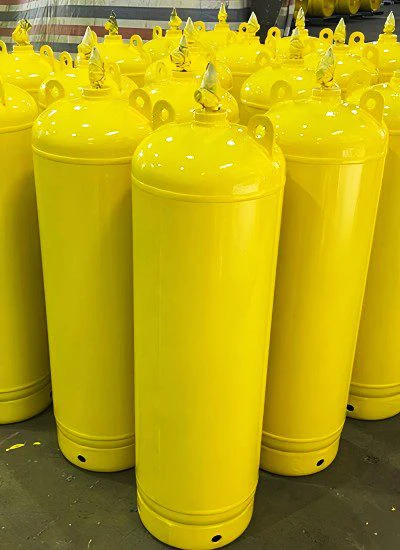
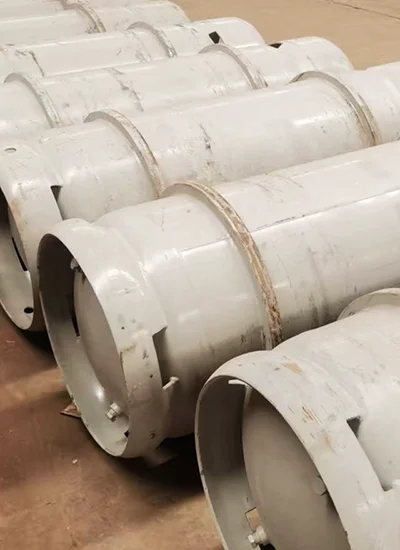
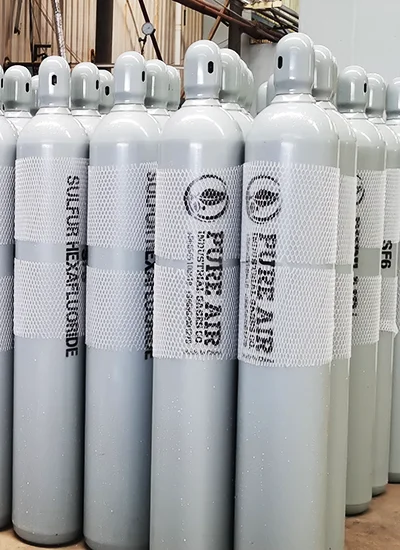
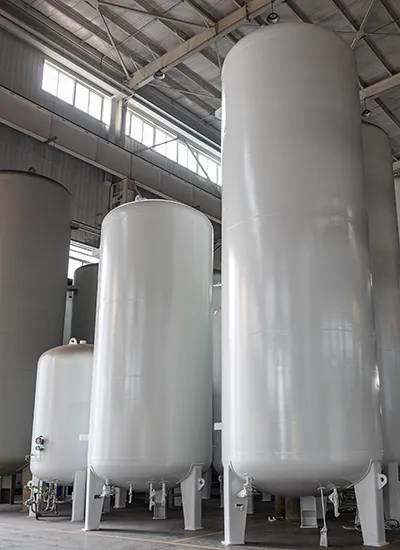
Depending on the product and available configuration, SF₆ may be supplied in suitable pressure cylinders or larger gas containers. The container design, pressure rating, valve arrangement, filling method, and transport approvals must be appropriate for the gas and the intended market.
When requesting a quotation, provide the following information:
- Required SF₆ purity and individual impurity limits.
- Intended application and applicable technical standard.
- Required cylinder or container configuration and filling quantity.
- Valve connection and other equipment-interface requirements.
- Batch-specific COA and any additional testing or certification documents.
- Destination country, delivery requirements, and applicable transport documentation.
Providing these details helps the supplier assess the required product specification, packaging configuration, and documentation before confirming an order.
Explore our SF₆ sulfur hexafluoride product category for product and packaging information, or visit our SF₆ gas supply page to discuss your purchasing requirements.
TECHNICAL FAQs
FAQ About SF₆ Gas Purity
A 99.99% purity claim means that the reported SF₆ fraction is 99.99% on the stated measurement basis. It does not, by itself, demonstrate compliance with every individual impurity limit or an electrical equipment standard.
Check the product and batch identification, measured SF₆ assay, moisture content, relevant impurity results, analytical methods, and acceptance criteria. Confirm that the results meet the agreed purchase specification.
The acceptable water content depends on the applicable gas specification, equipment requirements, and measurement basis. Confirm the relevant standard and manufacturer’s moisture limit before ordering, and ensure that the reported units are appropriate for comparison.
Not necessarily. A higher SF₆ assay can be beneficial, but suitability also depends on moisture, other impurities, gas composition, the intended application, and compliance with the agreed specification.
Discuss Your SF₆ Gas Specifications with BluNet
If you are sourcing SF₆ gas for electrical equipment or other industrial applications, share your required purity, moisture limit, intended use, packaging preference, and destination. BluNet can discuss the requested product configuration and technical documentation based on your purchasing requirements.

No comment