

A liquid nitrogen Dewar container is a specialized vessel designed to store, handle, or transport liquid nitrogen at extremely low temperatures. Liquid nitrogen boils at approximately -196°C (-320.8°F) at atmospheric pressure, requiring effective thermal insulation to minimize heat transfer and reduce evaporation.
Liquid nitrogen Dewars are used in laboratories, biological sample storage, scientific research, industrial cooling, and cryogenic liquid supply. Depending on their construction, they may be designed for atmospheric-pressure storage, pressurized liquid delivery, or specialized sample preservation.
Understanding the differences in vessel construction, vacuum insulation, operating pressure, capacity, and discharge methods helps users select an appropriate Dewar for their application.
What Is a Liquid Nitrogen Dewar Container?
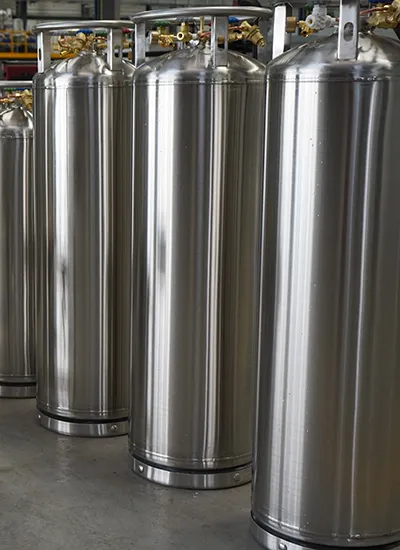
A liquid nitrogen Dewar is a cryogenic vessel that minimizes heat transfer between the stored liquid nitrogen and the surrounding environment. Most purpose-built Dewars use a double-wall construction with a vacuum-insulated space between the inner vessel and outer shell.
The vacuum reduces heat transfer through conduction and convection. Some designs also use reflective surfaces to reduce heat transfer by radiation.
Although the term Dewar container is widely used for cryogenic vessels, not all Dewars have the same pressure rating or operating configuration. Laboratory Dewars are commonly designed for atmospheric-pressure use, while pressurized Dewars are engineered for controlled liquid nitrogen delivery.
Ordinary household vacuum flasks are not suitable substitutes for equipment specifically designed for liquid nitrogen service.
How Does a Liquid Nitrogen Dewar Work?
A liquid nitrogen Dewar works by reducing the rate at which heat enters the vessel. Because liquid nitrogen is extremely cold, even a small amount of heat can cause some of the liquid to boil and evaporate.
Double-Wall Construction
A typical vacuum-insulated Dewar contains an inner vessel that holds the liquid nitrogen and an outer shell that provides protection and structural support. The space between these walls is evacuated to create a vacuum jacket.
Vacuum Insulation
The vacuum jacket significantly reduces heat transfer through conduction and convection. Depending on the design, reflective surfaces and additional insulation materials may further reduce heat ingress.
Evaporation and Holding Time
Vacuum insulation does not eliminate heat transfer completely. Liquid nitrogen gradually evaporates as heat enters the vessel. The evaporation rate depends on the vessel’s size, insulation performance, neck design, ambient conditions, and frequency of access.
When comparing Dewars, review the manufacturer’s stated static evaporation rate and holding time under the specified test conditions.
Types of Liquid Nitrogen Dewars
Liquid nitrogen Dewars can be classified by their applications or by their engineering design. These classifications overlap: a transport Dewar, for example, may also be a vacuum-insulated vessel designed for atmospheric-pressure or pressurized operation.
1. Laboratory Dewars
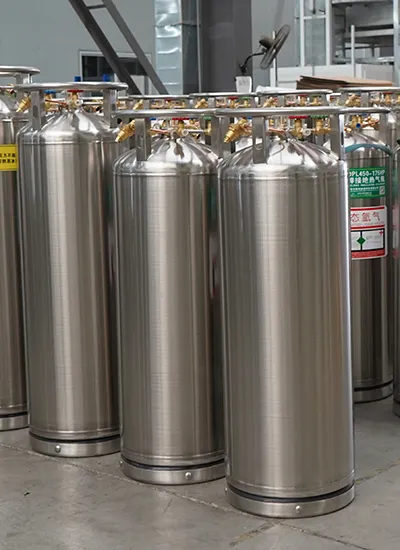
Laboratory Dewars are used for experiments, cryogenic cooling, material testing, and small-volume liquid nitrogen handling. Many feature a wide opening for convenient access and are designed for atmospheric-pressure operation with appropriate venting.
Important selection factors include capacity, opening dimensions, evaporation rate, and compatibility with the intended laboratory procedure.
2. Biological Storage Dewars
Biological storage Dewars are designed for cryogenic preservation of cells, biological specimens, reproductive materials, and other temperature-sensitive samples. Depending on the model, they may include sample canisters, storage racks, and specialized internal arrangements.
Key considerations include sample capacity, storage configuration, holding time, sample access, and the temperature requirements of the stored materials.
3. Pressurized Liquid Nitrogen Dewars
Pressurized Dewars are pressure-rated cryogenic vessels designed to store liquid nitrogen under controlled pressure and deliver it through designated outlets or transfer connections.
Depending on the model, their components may include pressure gauges, pressure-building circuits, regulators, valves, and pressure-relief devices. Their allowable working pressure and discharge arrangements must be confirmed from the manufacturer’s specifications.
A pressurized Dewar must not be confused with an ordinary open-neck laboratory vessel. Only vessels specifically designed and rated for pressurized service may be operated under pressure.
4. Liquid Nitrogen Transport Dewars
Transport Dewars are designed to move liquid nitrogen between approved locations while limiting heat ingress and accommodating normal evaporation. Their construction and permitted use depend on the transport method and applicable regulations.
Before selecting a transport Dewar, verify its transport approval, capacity, holding time, handling requirements, and suitability for the intended route and conditions.
Liquid Nitrogen Dewar Types: Technical Comparison
The following table compares typical construction and operating characteristics. Actual specifications vary by manufacturer and model, so the table should be used as a general selection guide rather than a substitute for product data.
| Technical Feature | Laboratory Dewar | Biological Storage Dewar | Pressurized Dewar | Transport Dewar |
|---|---|---|---|---|
| Primary purpose | Laboratory cooling and experiments | Biological sample preservation | Controlled liquid nitrogen supply | Liquid nitrogen transportation |
| Double-wall construction | Common | Common | Common | Common |
| Vacuum insulation | Common in purpose-built cryogenic models | Common | Common | Common in purpose-built cryogenic vessels |
| Operating pressure | Usually near atmospheric pressure | Usually near atmospheric pressure | Pressurized within specified limits | Atmospheric or pressurized, depending on design |
| Pressure gauge and relief devices | Not typically configured as a pressurized supply system | Depends on the specific design | Fitted as required by the design | Depends on the vessel configuration |
| Liquid withdrawal | Suitable manual or cryogenic transfer equipment | Sample access or suitable transfer equipment | Pressure-assisted discharge through designed connections | Method specified by the vessel design |
| Typical opening or connections | Often a wide neck | Sample-access neck and internal canisters | Pressure-rated filling and discharge connections | Fittings specified for filling and approved transport |
| Key selection factors | Capacity, access, and evaporation rate | Sample capacity, holding time, and storage configuration | Working pressure, flow rate, fittings, and certification | Transport approval, capacity, and holding time |
Technical note: Double-wall construction and vacuum insulation are common in purpose-built cryogenic Dewars, but they should not be assumed for every container described as a Dewar. Confirm the actual construction, operating pressure, and approved use for the specific model.
What Is the Difference Between a Dewar Container and a Cryogenic Storage Tank?
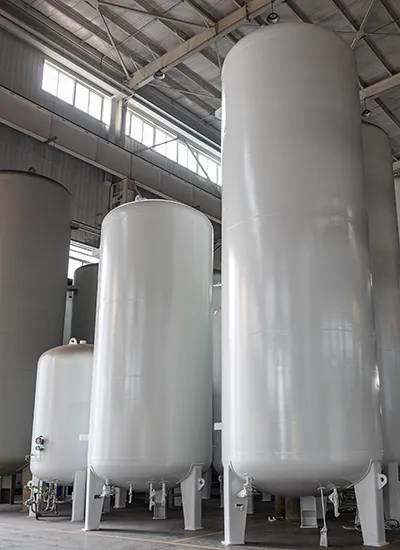
Both Dewar containers and cryogenic storage tanks store extremely cold liquids, but they differ in typical capacity, configuration, and intended application.
| Feature | Dewar Container | Cryogenic Storage Tank |
|---|---|---|
| Primary purpose | Small-scale storage, sample preservation, or specialized supply | Storage and supply of larger quantities of cryogenic liquid |
| Typical construction | Often a compact, vacuum-insulated vessel | Purpose-built, typically vacuum-insulated tank |
| Operating pressure | Atmospheric or pressurized, depending on design | Often designed for specified pressurized service |
| Liquid capacity | From small laboratory vessels to larger specialized units | Commonly designed for larger storage volumes |
| Typical applications | Laboratories, biological storage, transport, and selected industrial processes | Industrial gas supply, production facilities, and bulk liquid distribution |
The terminology can overlap, as some suppliers call larger pressurized cryogenic vessels Dewars. For accurate selection, compare the vessel’s specifications, rated working pressure, capacity, and intended service rather than relying on its name alone.
What Is the Difference Between Vacuum-Insulated and Non-Vacuum-Insulated Dewars?
Vacuum-insulated Dewars use an evacuated space between the inner and outer walls to reduce heat transfer. This construction is widely used for long-term cryogenic storage and specialized liquid nitrogen supply because it helps reduce evaporation.
Some cryogenic containers use foam insulation or other insulation arrangements instead of a vacuum jacket. Their thermal performance, holding time, and suitability for liquid nitrogen depend on the specific design.
Do not assume that every non-vacuum-insulated container is suitable for liquid nitrogen. Use only a vessel specifically designed and approved for the intended cryogenic service.
What Is the Difference Between a Pressurized and Non-Pressurized Dewar?
The main difference is the vessel’s intended operating pressure and method of liquid withdrawal.
Non-pressurized Dewars are typically designed for atmospheric-pressure storage, with an opening or vent arrangement that prevents dangerous pressure buildup. They are commonly used in laboratory work and biological sample storage.
Pressurized Dewars are engineered for controlled pressurized service. They may use pressure-building systems and dedicated outlets to deliver liquid nitrogen to connected equipment.
Vacuum insulation and operating pressure are separate design characteristics. Both pressurized and non-pressurized Dewars may use double-wall vacuum insulation.
How to Choose the Right Liquid Nitrogen Dewar
Selecting a suitable liquid nitrogen Dewar requires evaluating the quantity of liquid nitrogen needed, the intended application, the operating conditions, and the required transfer method.
Capacity and Usable Volume
Choose a vessel based on expected consumption, refill frequency, storage requirements, and the usable liquid volume specified by the manufacturer. Nominal vessel capacity does not always equal the amount available for withdrawal.
Working Pressure
For applications requiring pressure-assisted liquid delivery, verify the rated working pressure, pressure-relief settings, outlet configuration, and compatibility with the connected equipment.
Insulation Performance and Holding Time
Compare the specified static evaporation rate and holding time under equivalent test conditions. Actual performance may differ depending on ambient temperature, filling practices, access frequency, and operating conditions.
Material and Construction
Check the vessel materials, inner and outer wall construction, vacuum insulation specifications, fittings, and compatibility with liquid nitrogen at cryogenic temperatures.
Transport and Regulatory Requirements
If the vessel will be transported, verify its suitability for the intended transport method and compliance with applicable regulations. Pressure-rated service and transport approval should never be assumed from the term Dewar alone.
Liquid Nitrogen Dewar Safety Precautions
Liquid nitrogen can cause severe cold burns and can displace oxygen as it evaporates. Safe storage and handling require appropriate equipment, ventilation, and operating procedures.
- Prevent pressure buildup: Never seal liquid nitrogen in an ordinary, unvented vessel. Use only the closure, venting, and pressure-relief arrangements specified for the vessel.
- Wear appropriate protective equipment: Use suitable cryogenic gloves, eye protection, and a face shield when splash exposure is possible.
- Maintain adequate ventilation: Evaporating nitrogen can displace oxygen and create an asphyxiation hazard, particularly in enclosed spaces.
- Handle vessels carefully: Protect the Dewar from impact, tipping, and damage to the insulation or fittings.
- Follow transfer procedures: Use compatible cryogenic transfer equipment and the manufacturer’s specified operating method.
- Inspect regularly: Follow manufacturer guidance for inspecting the vessel and identifying damage, leaks, or deterioration.
How to Choose the Right Liquid Nitrogen Dewar?
Get a customized liquid nitrogen dewar solution tailored to your storage and operational needs.
Conclusion
A liquid nitrogen Dewar container is a specialized cryogenic vessel designed to minimize heat transfer and support the safe storage, handling, transportation, or delivery of liquid nitrogen.
When comparing Dewars, consider double-wall construction, vacuum insulation, operating pressure, capacity, evaporation rate, discharge method, and applicable certifications. Laboratory, biological storage, pressurized, and transport Dewars serve different purposes, but their classifications can overlap.
Always confirm the manufacturer’s specifications and select a vessel designed for the intended application. Proper equipment selection and safe handling procedures are essential for reliable liquid nitrogen storage and use.
TECHNICAL FAQs
About Liquid Nitrogen Dewars
At atmospheric pressure, liquid nitrogen boils at approximately -196°C (-320.8°F). Its boiling temperature changes with pressure.
No. Vacuum insulation is common in purpose-built cryogenic Dewars, but some specialized containers use other insulation systems. Always verify that the vessel is specifically designed for liquid nitrogen service.
Only a Dewar specifically designed and rated for pressurized operation may be pressurized. Follow the manufacturer’s instructions and never modify an atmospheric-pressure vessel to operate under pressure.
Holding time depends on capacity, insulation performance, neck design, ambient conditions, and how frequently the vessel is accessed. Consult the manufacturer’s static holding-time or evaporation-rate specifications.
A Dewar generally refers to a vacuum-insulated cryogenic vessel used for storage, sample preservation, or specialized supply. A cryogenic storage tank is commonly designed for larger-volume storage and distribution. However, terminology and capacities overlap, so the vessel’s actual specifications determine its intended use.
The required size depends on consumption, refill frequency, storage duration, available space, and whether liquid nitrogen must be supplied under pressure. Compare usable capacity and evaporation rate rather than nominal volume alone.

No comment