

BLUNET INDUSTRIES SERVED
Beverage Industry
Industrial gases play an important role in beverage production, from carbonation and oxygen management to bottling, packaging, and dispensing. BluNet supplies industrial gases and gas storage equipment for beverage manufacturers, breweries, wineries, soft drink producers, and bottling facilities.
Whether producing carbonated beverages, packaging beer, or preserving wine quality, beverage processors rely on appropriate gas specifications and dependable supply systems to support their production requirements.
Explore the different industries we serve and discover BluNet’s industrial gas storage and supply solutions for global markets.
INDUSTRY OVERVIEW
Industrial Gases in Beverage Production
Beverage manufacturing involves multiple processes where gas purity, pressure, and supply consistency are important. Carbon dioxide (CO₂) is widely used to carbonate soft drinks, sparkling water, and beer. Nitrogen (N₂) and argon (Ar) can be used in selected applications to reduce oxygen exposure during processing, storage, and packaging.
From small beverage operations to industrial bottling plants, gas supply requirements vary according to production capacity, process design, and consumption patterns. BluNet supports industrial customers with gas products, gas cylinders, cylinder bundles, and cryogenic storage equipment for a range of beverage applications.
BEVERAGE APPLICATIONS
Applications of Industrial Gases in the Beverage Industry
Industrial gases support a variety of beverage processing and packaging operations, helping manufacturers manage carbonation, oxygen exposure, and product handling.
Beverage Carbonation
Carbon dioxide is essential for producing carbonated soft drinks, sparkling water, and beer. During carbonation, CO₂ is dissolved into the beverage under controlled conditions to achieve the desired level of effervescence. Consistent gas quality and controlled supply conditions are important for maintaining product characteristics throughout beverage production.
Bottling and Canning
Gas applications in beverage bottling and canning include container purging, headspace management, and selected filling operations. Carbon dioxide or nitrogen may be used depending on the beverage type and packaging process. Proper gas selection and process control help reduce unwanted oxygen exposure and support consistent packaging quality.
Nitrogen Purging and Inerting
Nitrogen gas is used to displace oxygen from tanks, pipelines, containers, and selected beverage processing systems. Nitrogen purging and inert gas blanketing can help limit oxygen exposure during product handling and storage. These applications are particularly relevant to beverages where oxidation may affect flavor, aroma, or shelf life.
Beer Production and Dispensing
Carbon dioxide is widely used in breweries to maintain beer carbonation and provide dispensing pressure. Nitrogen or mixed gas blends may be used in selected dispensing systems to achieve specific foam and serving characteristics. In brewery operations, inert gases may also support tank blanketing, product transfer, and packaging processes.
Wine Production and Preservation
Nitrogen and argon may be used in wine production to create protective atmospheres in tanks and storage vessels. These inert gases help minimize oxygen contact during selected stages of winemaking, transfer, and storage. Appropriate gas selection depends on the wine, vessel configuration, and process requirements.
Dissolved Oxygen Management
Dissolved oxygen can influence the flavor stability and shelf life of certain beverages. Nitrogen sparging or other suitable gas-based techniques may be used to reduce dissolved oxygen in liquids when properly designed and controlled. Gas flow, contact conditions, and beverage characteristics should be considered when selecting an appropriate process.
INDUSTRIAL GASES
Gases Used in Beverage Processing
Different beverage applications require different gases and purity specifications. The following gases are commonly associated with beverage processing and packaging.
| Gas | Beverage Applications | Function |
|---|---|---|
| Carbon Dioxide (CO₂) | Soft drinks, sparkling water, beer carbonation, dispensing | Carbonation and pressurization |
| Nitrogen (N₂) | Purging, inerting, packaging, selected sparging applications | Oxygen displacement and atmosphere control |
| Argon (Ar) | Wine tank blanketing and selected preservation processes | Inert atmosphere protection |
Gas purity, food-grade specifications, and supporting documentation should be confirmed according to the intended application and destination market.
GAS SUPPLY EQUIPMENT
Gas Storage and Supply for Beverage Facilities
Gas storage and delivery requirements vary according to beverage production capacity, gas consumption, operating pressure, and supply frequency.
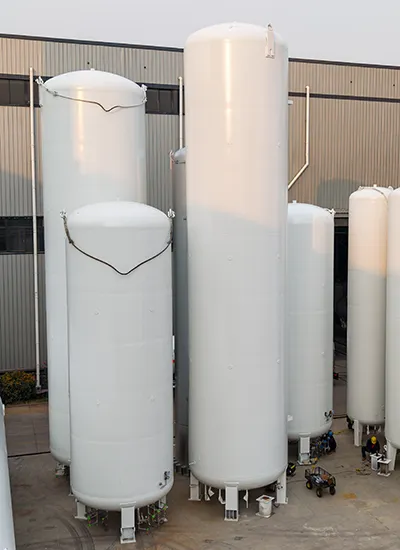
High-Pressure Gas Cylinders
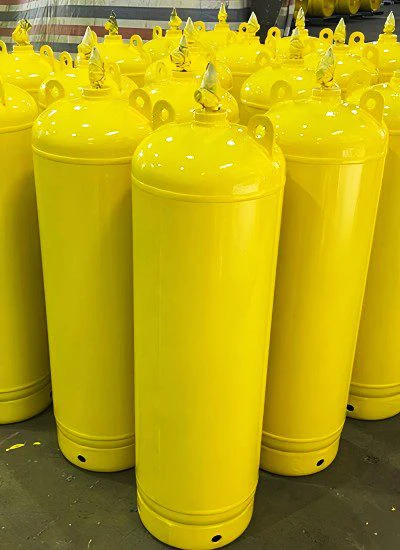
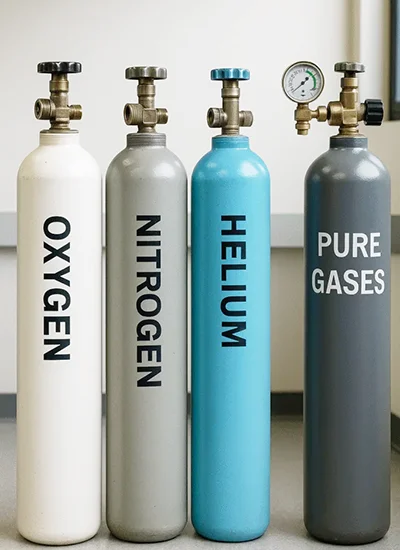
Gas cylinders provide a flexible supply option for smaller beverage operations, pilot production, laboratories, and intermittent gas consumption. Cylinder capacity, gas purity, valve connections, and working pressure can be selected according to application and local requirements.
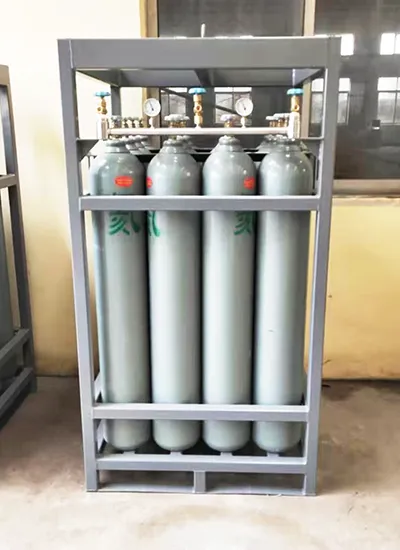
Gas Cylinder Bundles
Cylinder bundles combine multiple cylinders into a consolidated gas supply unit. They can provide greater capacity than individual cylinders and are suitable for beverage facilities with moderate or recurring gas consumption where bulk storage may not be required.
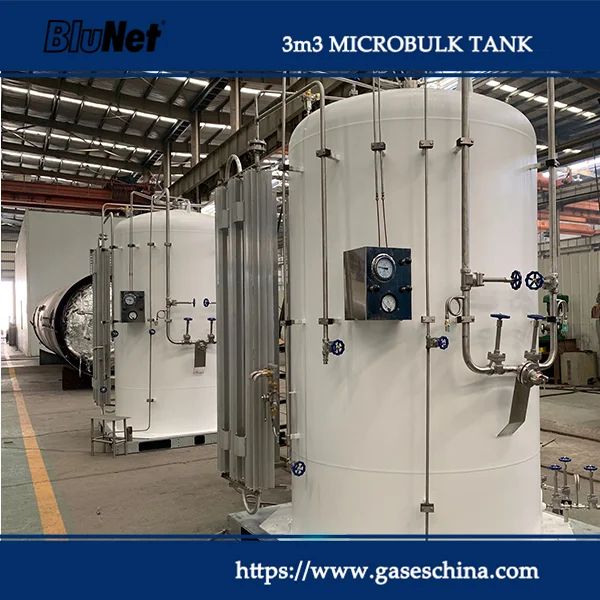
Liquid Nitrogen Storage Systems
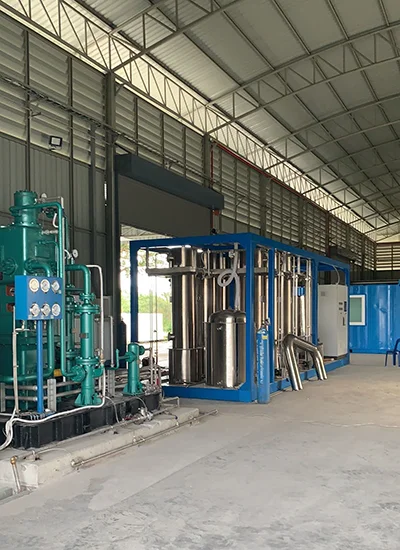
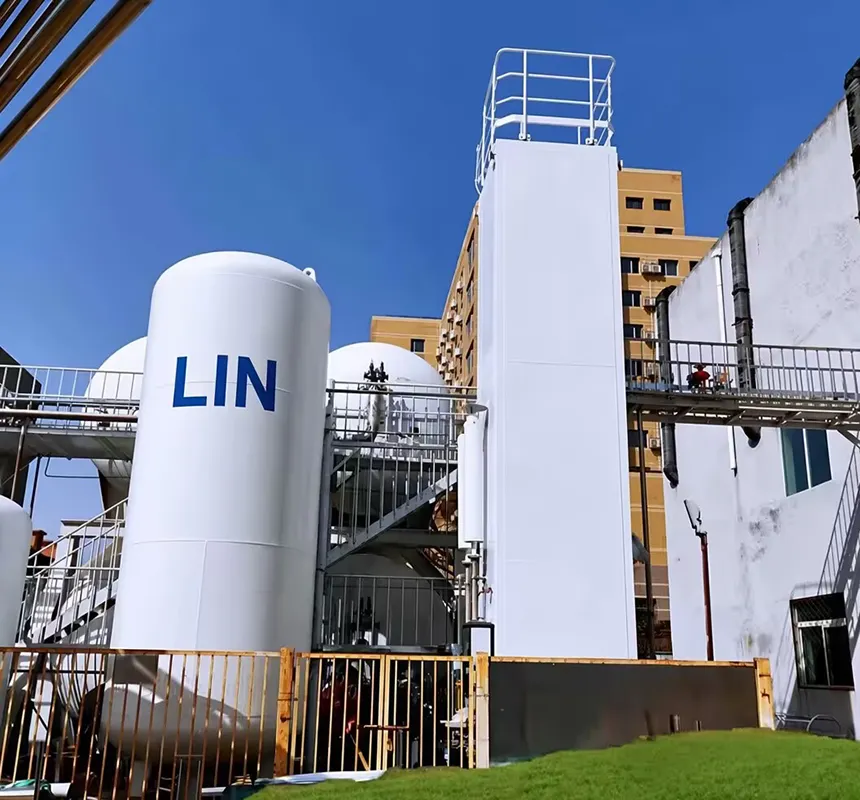
Beverage facilities with substantial nitrogen demand may consider cryogenic liquid nitrogen storage and vaporization systems. These systems can support a continuous gaseous nitrogen supply for purging, inerting, and other suitable applications. System selection depends on required flow rate, pressure, consumption profile, storage capacity, and delivery logistics.
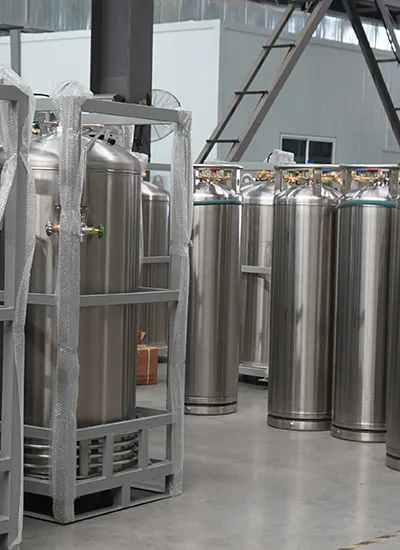
Bulk Liquid CO₂ Storage Tanks
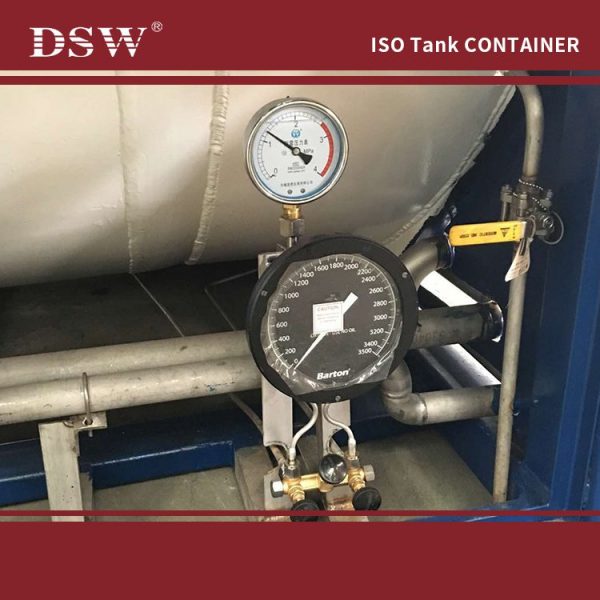
Beverage plants with higher or continuous carbon dioxide consumption may use bulk liquid CO₂ storage systems. A typical system includes an insulated storage tank and suitable pressure control and gas supply components. Tank capacity and configuration depend on consumption rates, delivery frequency, operating conditions, and site requirements.
BLUNET
Supporting Beverage Industry Gas Requirements
Beverage manufacturers require industrial gases and storage equipment suited to their production processes. BluNet provides gas products and equipment options, including industrial gas storage solutions, to support beverage manufacturers with their gas storage and supply requirements..
Industrial Gas Products
Carbon dioxide, nitrogen, and other application-specific gases can be evaluated according to beverage processing requirements and specified purity.
Gas Storage Equipment
Gas cylinders, cylinder bundles, and cryogenic storage equipment are available for consideration based on gas type, capacity, pressure, and operating conditions.
International Project Support
Equipment specifications and technical documentation can be coordinated according to project requirements and applicable standards in the destination market.
TECHNICAL FAQs
About Beverage Industry FAQs
Carbon dioxide is widely used for beverage carbonation and dispensing. Nitrogen is used for purging, inerting, packaging, and selected oxygen management applications. Argon may be used for protective blanketing in wine production. The appropriate gas depends on the beverage and process.
Carbon dioxide creates carbonation in beverages such as soft drinks, sparkling water, and beer. It also provides dispensing pressure in suitable systems. Gas quality and supply conditions should match the intended application.
Nitrogen is used to displace oxygen from tanks, pipelines, and packaging headspaces. It may also be used in selected sparging and dispensing applications. Its use depends on the beverage, process design, and packaging requirements.
Smaller facilities may use individual gas cylinders or cylinder bundles. Beverage plants with higher or continuous gas consumption may require bulk liquid storage and appropriate supply equipment. Selection depends on consumption, pressure, storage capacity, and delivery frequency.
Important factors include gas type, purity specification, intended application, required flow rate, operating pressure, supply method, and destination-market regulations. Food-grade suitability and supporting documentation should be confirmed before purchase.
BEVERAGE INDUSTRY
Discuss Your Beverage Gas Requirements with BluNet
Contact BluNet to discuss industrial gas products and storage equipment for beverage production. Share your gas type, consumption rate, required pressure, storage capacity, and destination market to help identify suitable equipment options.