

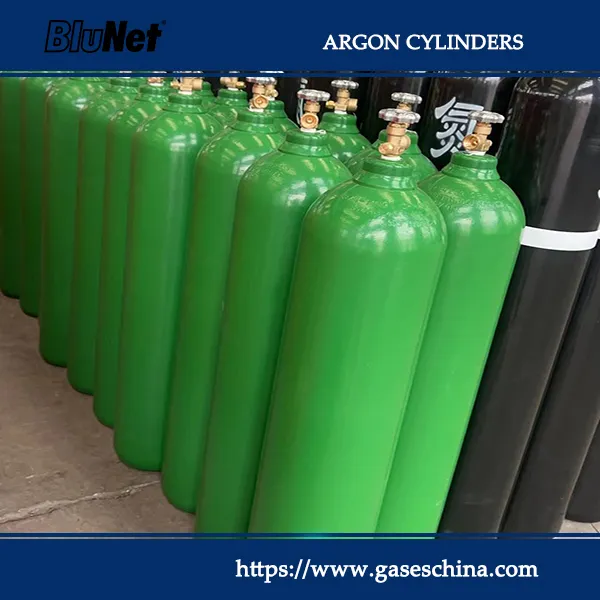
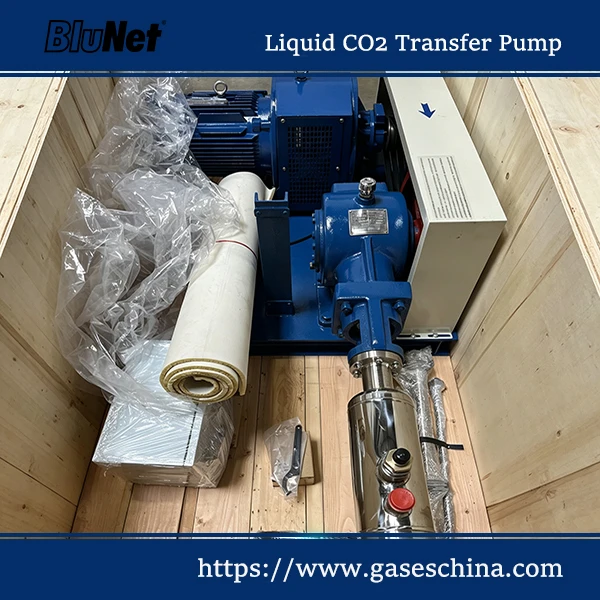
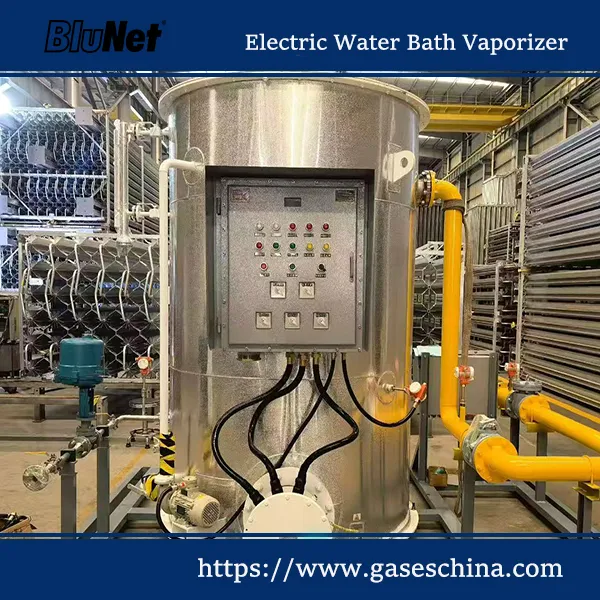
BluNet provides complete cryogenic transport solutions for the safe and efficient movement of liquefied gases, including LNG, liquid nitrogen, liquid oxygen, liquid argon, liquid CO2, and liquid hydrogen. Our solutions combine advanced vacuum insulated tanks, cryogenic semi-trailers, ISO tank containers, and customized transportation systems designed to minimize boil-off loss, maintain pressure stability, and ensure reliable gas delivery worldwide.
From regional industrial gas distribution to international energy logistics, BluNet designs and manufactures cryogenic transportation equipment according to application requirements, transportation distance, storage capacity, and international safety standards.
Complete Cryogenic Transport Solutions
Modern cryogenic logistics requires a complete system approach that connects gas production facilities, transportation equipment, storage systems, and end users.
BluNet offers integrated cryogenic transport solutions including:
- Cryogenic semi-trailer transportation systems
- Cryogenic ISO tank container solutions
- Bulk LNG transportation systems
- Industrial gas delivery solutions
- Vacuum insulated transport tanks
- Customized cryogenic logistics systems
Each solution is engineered to maintain ultra-low temperatures, reduce evaporation loss, and provide reliable operation during long-distance transportation.
Cryogenic Transport Equipment Solutions
Cryogenic Semi-Trailer Solutions
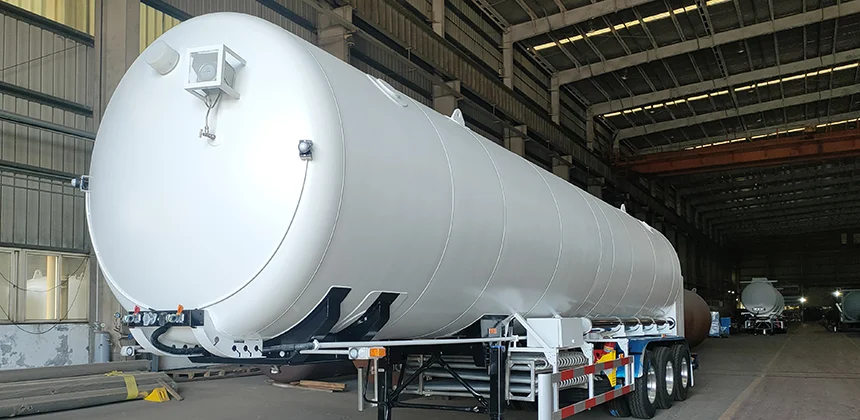
Cryogenic semi-trailers are one of the most widely used solutions for bulk liquid gas transportation.
Designed with vacuum insulation technology, stainless steel inner vessels, pressure building systems, and advanced safety protection devices, cryogenic trailers provide efficient transportation for LNG, LIN, LOX, LAR, and other liquefied gases.
Main features:
- Double-wall vacuum insulated structure
- Low heat leakage design
- High strength stainless steel inner vessel
- Pressure control and gas recovery systems
- Road transportation compliance
Typical capacities range from 10 m³ to 80 m³ depending on application requirements.
Cryogenic ISO Tank Container Solutions
Cryogenic ISO tank containers provide flexible solutions for international and multimodal transportation.
These containerized cryogenic systems can be transported by road, railway, and marine shipping, making them ideal for global LNG and industrial gas supply chains.
Main advantages:
- ISO standard container dimensions
- Suitable for ship, rail, and truck transport
- Reduced handling requirements
- Efficient international logistics
- Long holding time with vacuum insulation
Cryogenic Transport Solution Comparison
| Solution | Main Application | Transportation Mode |
|---|---|---|
| Cryogenic Semi-Trailer | Regional bulk gas delivery | Road transport |
| Cryogenic ISO Tank Container | International gas logistics | Road, rail, marine |
| Cryogenic Cylinders | Small volume gas supply | Local distribution |
| Microbulk Systems | On-site customer supply | Short-distance delivery |
Cryogenic Transport Applications
Cryogenic transport solutions support industries that require reliable delivery of liquefied gases with strict temperature and purity requirements.
- LNG Energy: LNG transportation, refueling stations, and distributed energy systems.
- Healthcare: Liquid oxygen transportation for hospitals and medical facilities.
- Semiconductor Industry: High purity nitrogen and argon supply systems.
- Steel Manufacturing: Oxygen and argon logistics for metallurgy processes.
- Food Industry: Liquid nitrogen transportation for freezing and cold chain applications.
- Hydrogen Energy: Liquid hydrogen transport infrastructure for clean energy development.
Cryogenic Transportation Methods
Different industries require different transportation methods depending on gas type, delivery distance, volume requirements, and logistics conditions. BluNet provides multiple cryogenic transport solutions for domestic distribution, international shipping, and specialized applications.
Road Cryogenic Transportation
Road transportation is the most flexible method for delivering liquefied gases directly to industrial customers, hospitals, LNG stations, and storage facilities.
BluNet cryogenic road transport solutions use vacuum insulated semi-trailers and transport tanks designed for safe operation under demanding conditions.
Typical transported products:
- Liquid nitrogen (LIN)
- Liquid oxygen (LOX)
- Liquid argon (LAR)
- LNG
- Liquid CO2
International Cryogenic Logistics
For global gas supply chains, cryogenic ISO tank containers provide an efficient solution for transporting liquefied gases between countries and continents.
ISO tank solutions allow integration with existing container transportation networks including ships, railways, and trucks.
Advantages:
- Global intermodal compatibility
- Reduced loading and unloading operations
- Suitable for export markets
- Efficient large-volume transportation
Cryogenic Transport System Architecture
A complete cryogenic transport solution consists of several integrated engineering systems working together to maintain product quality and transportation safety.
| System Component | Function |
|---|---|
| Inner Vessel | Stores cryogenic liquid and withstands extremely low temperatures and operating pressure. |
| Vacuum Insulation System | Reduces heat transfer and minimizes evaporation loss during transportation. |
| Pressure Control System | Maintains stable operating pressure through pressure building circuits and regulation devices. |
| Safety Protection System | Includes relief valves, burst discs, emergency shut-off devices, and monitoring systems. |
| Transportation Structure | Provides mechanical protection for road, rail, and marine transportation environments. |
Cryogenic Transport Solutions for LNG & Industrial Gases
BluNet supports customers with complete cryogenic transportation solutions, from equipment selection and system design to installation guidance and technical consultation.
- Cryogenic equipment selection
- Bulk gas supply system planning
- LNG and industrial gas logistics solutions
- Cryogenic storage and distribution integration
- Technical project consultation
Vacuum Insulation and Boil-Off Control Technology
The performance of a cryogenic transport system mainly depends on insulation efficiency. Heat entering the tank causes partial evaporation of the liquid, known as boil-off gas (BOG).
High-performance vacuum insulation systems reduce thermal transfer, extend holding time, and minimize product loss during transportation.
Key insulation technologies include:
- High vacuum jacket systems
- Multilayer insulation (MLI)
- Perlite insulation technology
- Low thermal conductivity materials
Lower boil-off rates improve transportation efficiency, reduce operating costs, and maintain stable delivery conditions for LNG and industrial gases.
Cryogenic Transport Materials
Material selection is critical because cryogenic liquids can cause ordinary metals to become brittle at extremely low temperatures.
Common material configurations:
- 304 stainless steel inner vessel
- 316L stainless steel for high purity applications
- Nickel steel for LNG low-temperature service
- Aluminum alloys for lightweight components
Pressure Management
Cryogenic transport equipment must maintain controlled pressure throughout loading, transportation, and unloading operations.
Main pressure control systems:
- Pressure building coils
- Economizer systems
- Safety relief valves
- Pressure monitoring devices
Cryogenic Transport Standards and Certifications
Cryogenic transportation equipment must comply with international pressure vessel and dangerous goods transportation requirements to ensure safe operation and global market acceptance.
| Standard / Certification | Application |
|---|---|
| ASME | Pressure vessel design and manufacturing requirements. |
| ADR | European road transportation regulations for dangerous goods. |
| DOT | United States transportation safety requirements. |
| EN 13530 | European standards for vacuum insulated cryogenic vessels. |
| ISO 21009 | Requirements for stationary and transportable vacuum insulated vessels. |
| TPED | European transportable pressure equipment certification. |
| IMDG | Marine transportation requirements for dangerous goods. |
| CSC | Safety approval for international container transportation. |
Safety Engineering for Cryogenic Transport Solutions
Safety is the most important consideration in cryogenic transportation. BluNet systems incorporate multiple protection mechanisms to ensure safe operation during storage, transportation, and unloading.
- Thermal protection: Advanced insulation reduces heat leakage and evaporation.
- Pressure protection: Relief devices prevent excessive pressure buildup.
- Structural protection: Strong vessel design ensures mechanical reliability.
- Operational protection: Monitoring systems support safe transportation management.
Why Choose BluNet Cryogenic Transport Solutions
BluNet provides engineered cryogenic transportation solutions for LNG, industrial gases, and specialty gas applications. Our systems combine advanced manufacturing technology, cryogenic engineering experience, and international compliance to deliver reliable transport equipment for global customers.
- Complete Cryogenic Equipment Range:
Cryogenic semi-trailers, ISO tank containers, transport tanks, microbulk systems, and customized solutions. - Engineering Customization:
Solutions can be designed according to gas type, capacity requirements, working pressure, and transportation conditions. - International Standards Compliance:
Equipment can be manufactured according to ASME, CE, ISO, ADR, DOT, and other international requirements. - Global Export Experience:
Support for international transportation, documentation, and project delivery. - Technical Support:
Professional engineering consultation for selecting the correct cryogenic transport system.
Cryogenic Transport Engineering Capability
A reliable cryogenic transport solution requires more than a storage vessel. It requires complete engineering capability covering design, manufacturing, testing, and system integration.
| Engineering Area | BluNet Capability |
|---|---|
| Tank Design | Customized cryogenic vessel design according to capacity, pressure, temperature, and application requirements. |
| Vacuum Insulation | High vacuum insulation systems designed to reduce heat transfer and minimize boil-off loss. |
| Fabrication | Professional welding, pressure vessel manufacturing, and quality inspection processes. |
| Testing | Pressure testing, vacuum testing, leak testing, and performance verification. |
| Project Support | Technical consultation, equipment selection, export support, and after-sales service. |
How to Select the Right Cryogenic Transport Solution
Choosing the correct cryogenic transportation system depends on several engineering and operational factors.
- Identify the transported gas and temperature requirement.
- Determine required transportation capacity.
- Select suitable transport mode: road, rail, or marine.
- Evaluate insulation performance and holding time.
- Confirm required certifications and regional regulations.
- Consider future expansion and supply demand.
Applications by Gas Type
| Gas | Transport Solution |
|---|---|
| LNG | Cryogenic trailers and ISO tank containers |
| Liquid Nitrogen | Bulk industrial gas transportation systems |
| Liquid Oxygen | Medical and industrial oxygen delivery |
| Liquid Argon | High purity industrial gas logistics |
| Liquid Hydrogen | Advanced clean energy transportation |
What Is Boil-Off Rate (BOR)?
Boil-off rate (BOR) refers to the percentage of cryogenic liquid that evaporates due to heat entering the tank during storage or transportation. Lower BOR indicates better insulation performance and reduced product loss.
Factors Affecting BOR
- Vacuum insulation quality
- Ambient temperature conditions
- Transportation distance and duration
- Tank size and insulation structure
- Frequency of loading and unloading operations
Modern cryogenic transportation systems use high vacuum insulation, multilayer insulation (MLI), and pressure control systems to reduce boil-off gas, improve holding time, and maintain stable operating pressure during LNG and industrial gas transportation.
Industrial Applications of Cryogenic Transportation
- Energy sector: LNG distribution networks and fuel systems
- Healthcare: liquid oxygen hospital supply systems
- Manufacturing: steel production and welding gases
- Electronics: semiconductor production gases
- Aerospace: rocket propellants and testing systems
- Food industry: cryogenic freezing and cold chain preservation
Key Engineering Challenges
- Boil-off gas due to heat ingress
- Thermal efficiency loss from insulation degradation
- Pressure management during transport
- Complex international regulations
Future Trends in Cryogenic Transportation (2026+)
- Hydrogen economy expansion and liquid hydrogen transport
- Smart cryogenic logistics with IoT monitoring systems
- Lightweight materials for improved efficiency
- Near-zero boil-off insulation systems
- Integrated global energy logistics networks
How to Choose the Right Cryogenic Transportation System
- Identify gas type and purity requirements
- Select transport mode: road, rail, or marine
- Determine capacity needs based on consumption
- Evaluate insulation performance and boil-off rate
- Ensure compliance with international standards
Manufacturer Evaluation Criteria
- Vacuum insulation technology capability
- International certifications (ASME, CE, ISO)
- Engineering customization ability
- LNG and industrial gas experience
- After-sales technical support
- Global export compliance
TECHNICAL FAQs
About Cryogenic Transportation
Cryogenic transport solutions are specialized systems designed to safely move liquefied gases at extremely low temperatures. They include cryogenic semi-trailers, ISO tank containers, vacuum insulated transport tanks, and related logistics systems for LNG and industrial gases.
Cryogenic transportation systems are used for LNG, liquid nitrogen, liquid oxygen, liquid argon, liquid carbon dioxide, liquid hydrogen, and other liquefied gases that require controlled low-temperature storage and transport.
Cryogenic semi-trailers are mainly designed for road transportation and regional bulk gas delivery, while cryogenic ISO tank containers are designed for multimodal transportation using road, rail, and marine shipping networks.
Cryogenic transport systems reduce gas loss by using vacuum insulation, multilayer insulation technology, and pressure control systems to minimize heat transfer and reduce boil-off gas during transportation.
Cryogenic transport solutions are widely used in LNG energy, healthcare oxygen supply, semiconductor manufacturing, steel production, aerospace, food processing, and industrial gas distribution.
Yes. Cryogenic transport equipment can be customized according to gas type, capacity requirements, working pressure, insulation performance, transportation method, and applicable international standards.
Cryogenic transport equipment may need to comply with international standards and regulations such as ASME, ADR, DOT, EN 13530, ISO 21009, TPED, IMDG, and CSC depending on the application and transport region.
The correct cryogenic transport solution depends on the gas type, required capacity, transportation distance, delivery method, operating pressure, insulation requirements, and local transportation regulations.
Related Cryogenic Transportation
More Technical Information about Cryogenic Transport
What is a Cryogenic Semi-Trailer?
Overview of cryogenic transport systems and tank types.
What is a Cryogenic ISO Tank?
Guide to ISO tank standards, design, and applications.
Types of Ambient Air Vaporizers
Technical details on vaporization methods for cryogenic liquids.
Cryogenic Liquid Storage Vessels
Engineering principles and tank design for safe cryogenic storage.
Designing of Cryogenic Storage Vessels
Technical guidance on structural and design considerations.
Cryogenic Tank Corrosion Prevention
Maintenance and durability strategies for long-lasting tanks.
Conclusion
Cryogenic transport solutions are a critical part of modern industrial gas and energy infrastructure. By combining vacuum insulation technology, advanced pressure control systems, and specialized transportation equipment, BluNet helps customers achieve safe, efficient, and reliable movement of LNG and industrial gases.
As demand continues to grow for LNG, hydrogen energy, medical gases, and high-purity industrial gases, advanced cryogenic transportation systems will remain essential for global energy and industrial supply chains.