


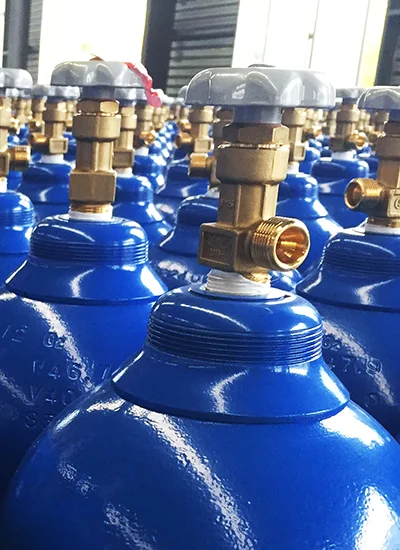
In any compressed gas application, the gas cylinder valve is far more than a simple control device—it is the primary safety and flow management component within the entire gas cylinder system. From industrial manufacturing to medical oxygen delivery and specialty gas handling, cylinder valves ensure safe containment, controlled release, and system integrity.
While gas cylinders store energy in the form of high-pressure gas, it is the valve that determines how safely and efficiently that energy is utilized. Understanding cylinder valve design, types, and selection criteria is therefore essential for engineers, procurement managers, and system operators.
1. The Role of Cylinder Valves in Gas Cylinder Systems
A complete gas delivery system consists of:
Gas Cylinder → Cylinder Valve → Pressure Regulator → End Application
- The gas cylinder stores compressed or liquefied gas under high pressure
- The cylinder valve controls gas discharge and sealing
- The pressure regulator reduces pressure to a usable level
The valve acts as the first control barrier, directly influencing system safety, gas purity, flow stability, and equipment compatibility.
2. What Is a Gas Cylinder Valve?
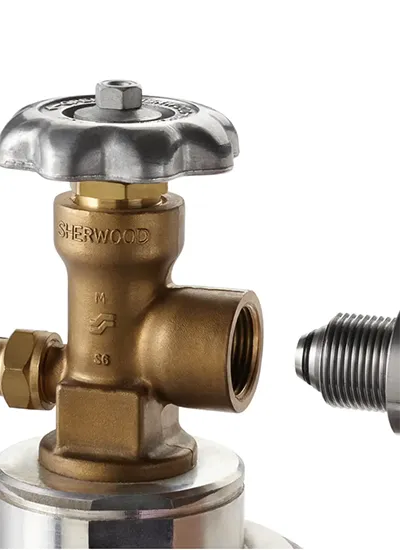
A gas cylinder valve is a precision-engineered mechanical device installed at the cylinder neck to:
- Seal the cylinder and retain internal pressure
- Control gas filling and release
- Provide a standardized outlet connection
- Enable safe interfacing with regulators and piping systems
These valves must operate reliably under pressures typically ranging from 150 bar to over 300 bar, depending on the gas type and application.
3. Core Functions and Engineering Requirements
3.1 Pressure Containment
Cylinder valves must withstand extreme internal pressures without deformation or leakage. Materials such as forged brass and stainless steel are commonly used due to their mechanical strength and corrosion resistance.
3.2 Flow Control and Regulation
The valve ensures controlled gas discharge by allowing gradual opening, preventing sudden pressure surges, and supporting stable downstream regulation.
3.3 Leak Prevention and Sealing Integrity
Leak-tight performance is essential, especially for flammable, toxic, or high-purity gases. Even minor leakage can result in safety risks, contamination, and economic loss.
3.4 Standardized Connections
Cylinder valves are designed according to CGA, DIN, and ISO standards to ensure gas-specific compatibility and safety.
4. Main Components of a Cylinder Valve
- Valve Body – pressure-retaining structure
- Valve Stem – controls opening/closing
- Seat and Seal – ensures tight shut-off
- Handwheel or Actuator – manual operation
- Outlet Connection – interface with regulator
- Pressure Relief Device (PRD) – prevents overpressure failure
5. Types of Gas Cylinder Valves
Understanding valve types is critical for proper gas cylinder valve selection.
5.1 Packed (Soft-Seal) Valves
- Traditional design with stem packing
- Cost-effective and widely used
- Requires periodic maintenance
5.2 Diaphragm (Packless) Valves
- Uses a flexible diaphragm instead of packing
- Eliminates stem leakage
- Ideal for high-purity, corrosive, or toxic gases
5.3 Pressure Seal Valves
- Sealing improves with internal pressure
- Suitable for high-pressure gas cylinders
5.4 O-Ring Seal Valves
- Uses elastomeric seals
- Provides smooth operation
- Requires compatibility with gas and temperature conditions
6. Advanced Features in Modern Cylinder Valves
6.1 Residual Pressure Devices (RPD / RPV)
Maintain internal pressure to prevent contamination and protect gas purity.
6.2 Integrated Safety Mechanisms
- Excess flow protection
- Thermal pressure relief devices
- Non-return (check) valves
7. Working Principle of a Cylinder Valve
- The handwheel rotates the valve stem
- The stem moves relative to the valve seat
- Opening allows gas flow
- Closing re-establishes a tight seal
Diaphragm valves isolate gas from moving parts, ensuring superior sealing performance.
8. Gas Cylinder Valve Standards and Connection Types
- CGA connections – North America
- DIN standards – Europe
- ISO standards – international use
Each gas type has a unique connection to prevent cross-connection and ensure safety compliance.
9. How to Select the Right Valve for Your Gas Cylinder
Key Parameters:
- Gas type
- Operating pressure
- Purity requirements
- Environmental conditions
- Compliance standards
Engineering Considerations:
- Material compatibility
- Sealing technology
- Safety features
Working with a reliable gas cylinder valve manufacturer ensures compliance and long-term performance.
Conclusion
Gas cylinder valves are critical components that bridge high-pressure storage and controlled gas application. Their design and quality directly impact safety, gas purity, and system efficiency.
Selecting the right valve is not just a technical decision—it is a risk management strategy. High-quality valves, combined with proper gas cylinders and regulators, ensure safe and efficient gas handling systems.
TECHNICAL FAQs
About Cryogenic Tanks and ISO Tank Containers
A gas cylinder valve is a device that controls the release of gas from a cylinder. It keeps the gas safe, contained, and ready for use.
The most common types are: Packed (soft-seal) valves, Diaphragm (packless) valves, Pressure seal valves, and O-ring seal valves. Each type is used for different gases and applications.
Turning the valve opens or closes a seal, letting gas flow safely from the cylinder. Some valves use a diaphragm to prevent leaks and protect gas purity.
No. Valves are gas-specific. Using the wrong valve can cause leaks, contamination, or accidents.
Signs of a faulty valve include gas hissing or smell, difficulty opening or closing, and visible damage or corrosion. Faulty valves must be replaced immediately.
These are connection standards that ensure safety. CGA is used in North America, DIN in Europe, and ISO internationally. They prevent wrong gas connections and improve safety.
Open the valve slowly, keep the outlet pointed away from people, close the valve when not in use, and do not force a stuck valve.

No comment