

With over 20 years of experience in gas cylinder manufacturing and oxygen storage solutions, we understand the critical importance of safe handling, filling, and transportation of oxygen cylinders. Due to oxygen’s high reactivity under pressure, improper procedures can lead to fire, explosion, or system failure.
This guide provides industry-approved filling methods, inspection protocols, and transportation best practices aligned with ISO, DOT, and CGA standards for both medical and industrial applications.
Quick Answer: How to Fill and Transport Oxygen Cylinders
- Inspect cylinder condition and hydrostatic test date
- Ensure valve is clean and oil-free
- Use approved filling system (LOX decant or compressor)
- Fill slowly while monitoring pressure and temperature
- Check for leaks and secure valve cap
- Transport upright with proper fixation and protection
Who Is Qualified to Fill Oxygen Cylinders
- Certified medical professionals (e.g., respiratory therapists)
- Trained emergency personnel (paramedics, firefighters)
- Qualified technicians from authorised gas supply companies
Important: Untrained personnel must never attempt to fill oxygen cylinders due to high safety risks.
Why Oxygen Cylinders Are Hazardous
Oxygen is a powerful oxidising gas that significantly increases combustion risk:
- Lower ignition energy required for combustion
- Faster burning rates
- Wider explosion limits
- Certain metals can burn under high-pressure oxygen
Note: Oil, grease, or contaminants in oxygen systems can cause violent explosions.
Pre-Filling Inspection Checklist
- Check hydrostatic test date (required every 5 years)
- Inspect for corrosion, dents, or structural damage
- Ensure valve is clean and free from oil or grease
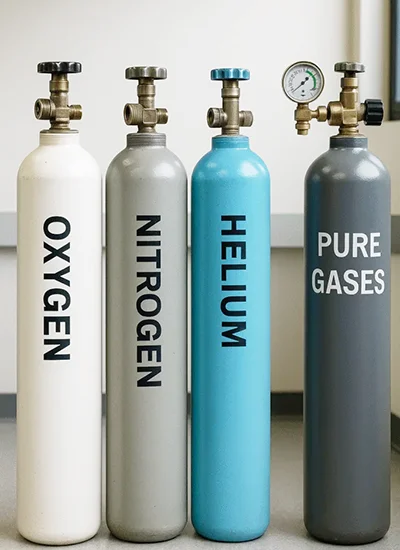
- Verify correct colour coding (typically light blue)
- Confirm regulator compatibility and condition
- Remove debris by briefly “cracking” the valve (if pressure exists)
- Tag defective cylinders as Out of Service (OOS)
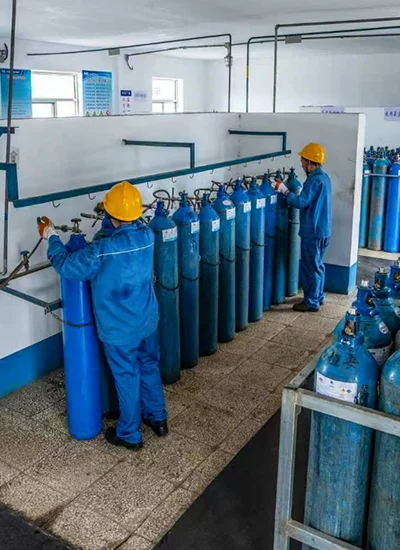
Oxygen Cylinder Filling Methods
1. Decant Filling from Liquid Oxygen Tank (LOX)
- Wear PPE: gloves, eye protection, anti-static footwear
- Ensure no open flames within 60 metres (200 feet)
- Connect filling line securely by hand (no tools)
- Place cylinder upright and secure in position
- Start filling slowly and monitor for leaks
- Use bleed valve to release excess pressure safely
2. High-Pressure Gas Filling
- Use certified compressors and pressure control systems
- Avoid overfilling beyond rated pressure (typically 15 MPa)
- Monitor temperature and pressure continuously
- Stop immediately if abnormal noise or leakage occurs
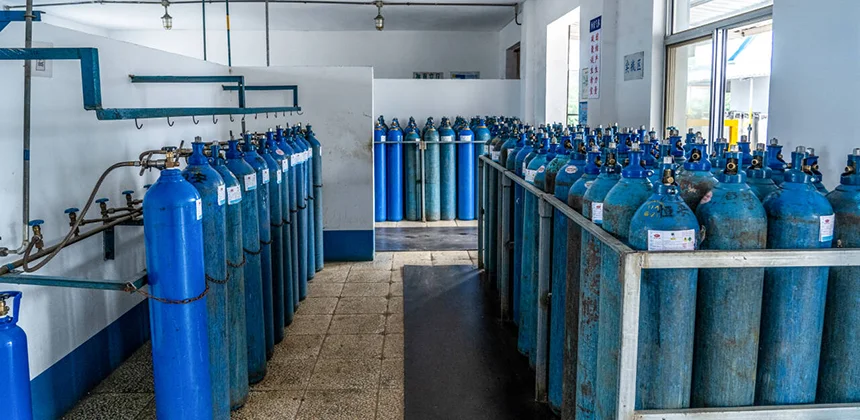
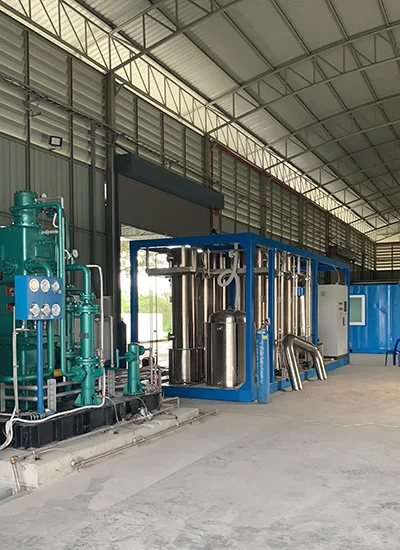
Engineering Insight: In industrial applications, oxygen cylinders are typically filled using high-pressure compressor systems or cryogenic liquid oxygen (LOX) decanting systems. Controlled pressure ramp-up is essential to prevent adiabatic heating, which may ignite contaminants inside the cylinder.
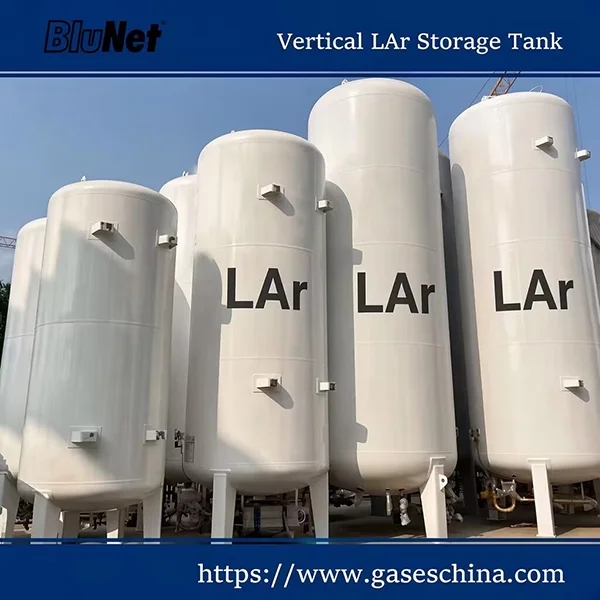
For large-scale storage and filling systems, oxygen is commonly supplied via cryogenic liquid storage tanks or integrated with high-pressure gas cylinder systems for industrial distribution.
Safe Storage of Oxygen Cylinders
- Store in a clean, dry, well-ventilated area
- Keep cylinders in an upright position
- Always install valve protection caps
- Keep away from flammable materials and heat sources
- Secure cylinders to prevent falling or tipping
Oxygen Cylinder Transportation Guidelines
- Use proper cylinder trolleys or secured transport racks
- Keep cylinders upright and firmly fixed during transport
- Install valve caps before movement
- Do not transport with oil, grease, or flammable gases
- Avoid exposure to high temperatures or direct sunlight
- Follow local regulations (DOT / ISO / EN standards)
Design and Specifications
| Parameter | Typical Value |
|---|---|
| Material | Chromium-Molybdenum Steel |
| Typical Volume | 40 Litres |
| Working Pressure | 15 MPa |
| Test Pressure | 18 MPa |
| Inspection Interval | 5 Years |
Common Hazards and Prevention
- Fire/Explosion: Avoid oil, grease, and open flames
- Overpressure: Never exceed rated filling pressure
- Mechanical Damage: Protect valves and cylinder body
- Contamination: Keep valves clean and sealed
Why Proper Oxygen Cylinder Handling Matters
- Prevents fire and explosion risks
- Ensures compliance with international safety regulations
- Extends cylinder service life
- Protects personnel and equipment
Compliance and Safety Standards
BluNet ensures compliance with key international standards (ISO, DOT, CGA, EN) for safe, reliable, and oxygen-compatible performance.
- ISO 9809 – Seamless steel gas cylinders
- DOT regulations (United States)
- CGA standards (Compressed Gas Association)
- EN ISO 11114 – Oxygen compatibility
Final Thoughts
Safe handling, filling, and transportation of oxygen cylinders are essential to prevent risks and ensure reliable performance. All operations must follow strict safety procedures and international standards.
With proper engineering and certified equipment, oxygen systems can operate safely in medical and industrial applications.
BluNet provides certified oxygen cylinders and gas solutions backed by over 20 years of manufacturing experience.
TECHNICAL FAQs
About Oxygen Cylinders and Filling Systems
Oxygen cylinders must be inspected before filling to ensure they are clean, damage-free, and oil-free. Filling should be performed using approved systems, such as liquid oxygen (LOX) decanting or high-pressure compressors, with a controlled pressure increase to prevent ignition risks.
Yes, oxygen cylinders can explode if exposed to high temperatures, rapid pressurisation, or contamination such as oil or grease. Proper procedures, slow filling rates, and clean systems are essential to minimise risks.
Oil and grease can ignite spontaneously in high-pressure oxygen environments. Even small amounts of contamination can lead to fire or explosion, which is why oxygen systems must remain completely clean and dry.
LOX filling uses cryogenic liquid oxygen that vaporises into gas inside the cylinder, allowing efficient large-scale filling. High-pressure gas filling uses compressors to directly pressurise oxygen gas into cylinders. LOX systems are typically more efficient for industrial applications.
Ignition can occur due to adiabatic heating from rapid pressurisation, contamination such as oil or particles, or friction inside valves. Controlled filling speed and clean systems are critical to prevent this.
Before transport, cylinders must be inspected for damage, fitted with valve caps, secured in an upright position, and kept away from heat sources and flammable materials. Compliance with DOT, ISO, or local transport regulations is required.

No comment