

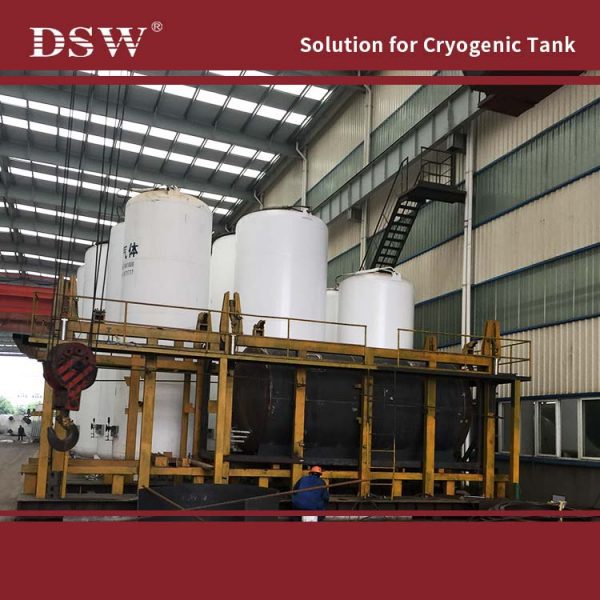
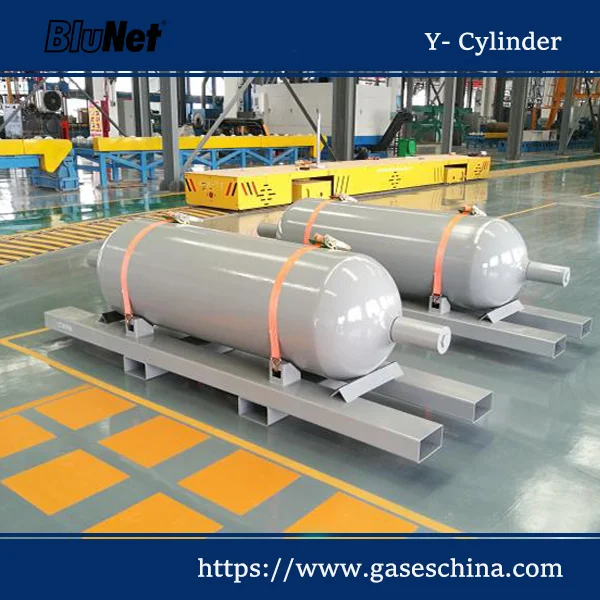
Liquefied Natural Gas (LNG) storage systems are a critical part of modern industrial energy infrastructure, enabling the safe storage and distribution of natural gas in liquid form at approximately -162°C (-260°F). Modern LNG storage tank systems combine advanced cryogenic engineering, vacuum insulation technology, boil-off gas (BOG) management, and precision pressure control to ensure safe operation, low evaporation rates, and long-term storage stability.
As global demand for cleaner energy continues to grow, LNG storage solutions are increasingly used in industrial gas supply systems, LNG fueling stations, power generation plants, marine fuel infrastructure, and peak shaving facilities.
This guide explains LNG storage tanks, cryogenic insulation systems, LNG pressure control, BOG recovery systems, stationary LNG storage facilities, LNG tank standards, and industrial LNG storage applications.For more detailed guides, case studies, and best practices, visit our BluNet Engineering Knowledge Hub, which covers industrial gas storage, cryogenic systems, and transport solutions.
What Is LNG Storage?
LNG storage refers to the process of storing liquefied natural gas under cryogenic conditions using specially designed insulated LNG tanks. LNG is stored at extremely low temperatures, so even small heat leaks can cause vaporization and pressure buildup inside the storage system.
Efficient LNG storage systems are designed to:
- Maintain stable cryogenic temperatures
- Reduce boil-off gas (BOG) generation
- Control tank pressure safely
- Minimize thermal losses
- Support safe LNG transfer operations
- Improve long-term storage efficiency
LNG storage systems are widely used in:
- LNG receiving terminals
- Industrial LNG supply systems
- LNG fueling stations
- Power generation plants
- LNG satellite stations
- Marine LNG bunkering systems
- Peak shaving facilities
- Remote energy supply projects
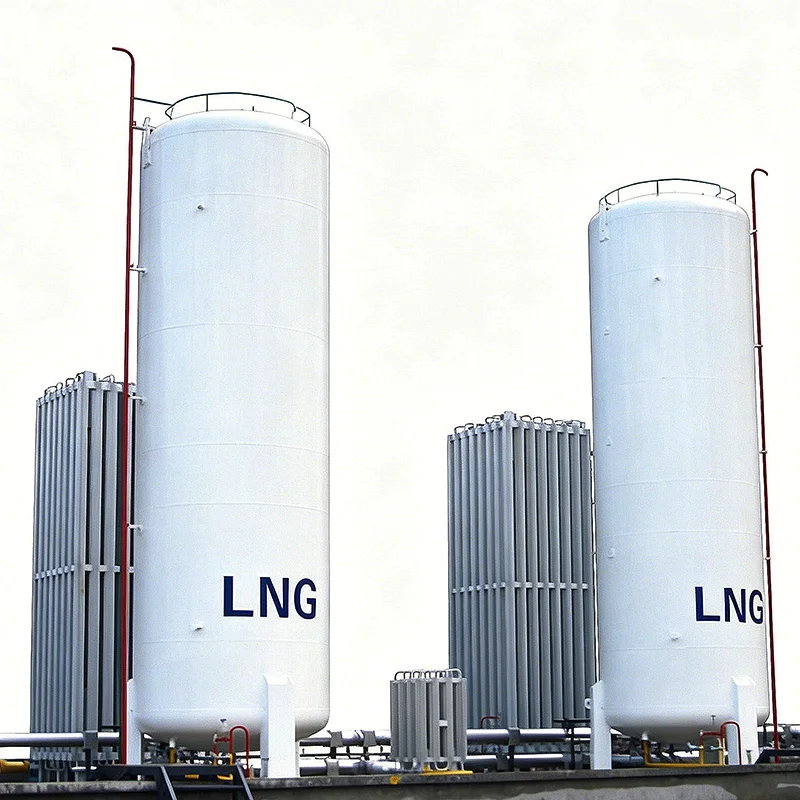
LNG Storage Tank Systems
LNG storage tanks are cryogenic pressure vessels engineered for the safe containment of liquefied natural gas under low-temperature conditions.
Modern LNG storage tank systems typically include:
- Cryogenic LNG tanks
- Vacuum insulation systems
- Pressure control systems
- BOG recovery units
- Cryogenic transfer pumps
- Vaporization systems
- Safety monitoring systems
- Emergency shutdown systems
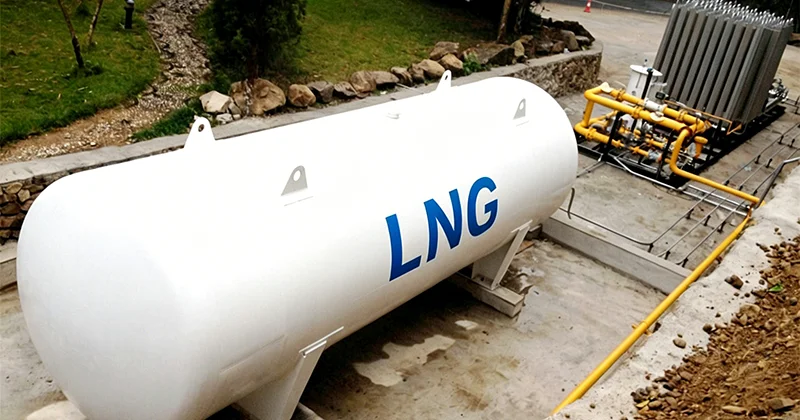
A Typical LNG Bullet Storage Tank System Is Illustrated Below.
Types of LNG Storage Tanks
LNG storage tanks, including vacuum-insulated and full-containment types, provide safe, efficient, and reliable cryogenic LNG storage for fueling stations, industrial supply, and large-scale terminals.
Vacuum Insulated LNG Storage Tanks
Key Advantages
- Extremely low boil-off gas rate
- High thermal insulation efficiency
- Reduced LNG evaporation loss
- Compact industrial design
- Stable tank pressure performance
- Lower operating costs
Applications
- LNG fueling stations
- Small-scale LNG distribution
- Microbulk LNG systems
- Industrial LNG supply
- Backup energy systems
Double-Wall Full Containment LNG Tanks
Full containment LNG storage tanks are large-scale stationary LNG storage systems designed for LNG terminals, peak shaving plants, and large industrial facilities.
Main Features
- Large LNG storage capacity
- Secondary containment protection
- Long-term cryogenic storage capability
- Advanced safety engineering
- Low LNG boil-off rates
Applications
- LNG import terminals
- LNG export terminals
- LNG receiving stations
- Power generation facilities
- Industrial energy infrastructure
LNG Storage Tank Materials
Cryogenic LNG tanks require specialized low-temperature materials capable of maintaining structural integrity under extreme thermal conditions.
Common Inner Tank Materials
- Stainless steel
- 9% nickel steel
- Aluminum alloys
Outer Tank Materials
- Carbon steel
- Reinforced concrete
- Structural steel systems
LNG Insulation Systems
Cryogenic insulation is one of the most important engineering components in LNG storage systems. Effective insulation directly impacts LNG evaporation rate, energy loss, and storage efficiency.
Vacuum Insulation Technology
Vacuum insulation is widely used in vacuum insulated LNG tanks to minimize conductive and convective heat transfer.
Benefits of Vacuum Insulation
- Very low thermal conductivity
- Reduced boil-off gas generation
- Improved pressure stability
- Higher LNG storage efficiency
- Reduced operational losses
Perlite Insulation Systems
- Stable thermal insulation properties
- Cost-effective cryogenic insulation solution
- Reliable long-term performance
Multi-Layer Insulation (MLI)
- High-performance LNG storage systems
- LNG ISO containers
- Cryogenic transfer piping
- Vacuum insulated piping systems
LNG Pressure Control Systems
Pressure control is essential for safe LNG storage operations. As LNG absorbs heat, part of the liquid naturally vaporizes into gas, increasing internal tank pressure.
Key Functions of LNG Pressure Control
- Maintaining liquid-vapor equilibrium
- Managing boil-off gas (BOG)
- Preventing overpressure conditions
- Supporting safe LNG loading and unloading
- Stabilizing LNG tank pressure
- Protecting cryogenic storage systems
LNG Pressure Relief Systems
- Pressure relief valves (PRVs)
- Burst discs
- Emergency vent systems
- Vapor return systems
- Pressure monitoring instruments
- Emergency shutdown systems (ESD)
LNG Boil-Off Gas (BOG) Management Systems
Boil-off gas (BOG) is generated when heat enters the LNG storage system and causes partial vaporization of LNG.
Common BOG Management Solutions
BOG Recondensation Systems
Vaporized LNG is cooled and converted back into liquid form.
BOG Compression Systems
- Industrial fuel systems
- Gas pipelines
- Facility energy systems
- Power generation systems
Stationary LNG Storage Systems
Stationary LNG storage systems are permanent cryogenic installations designed for industrial energy supply and LNG distribution infrastructure.
Components of a Stationary LNG Storage Facility
- LNG storage tanks
- Cryogenic LNG pumps
- Vaporizers
- Pressure control systems
- LNG transfer piping
- BOG recovery units
- Instrumentation systems
- Emergency shutdown systems
Microbulk LNG Storage Systems
Microbulk LNG systems provide compact LNG storage solutions for industrial users with moderate LNG consumption requirements.
Features of Microbulk LNG Systems
- Compact cryogenic LNG tanks
- Vacuum insulated design
- Automated pressure control
- Reduced delivery frequency
- Flexible LNG supply capability
LNG Storage Tank Capacities
LNG tank capacities for every need—reliable cryogenic storage for industrial LNG, fueling stations, and large-scale terminals
| LNG Tank Type | Typical Capacity | Common Application |
|---|---|---|
| Microbulk LNG Tank | 1–15 m³ | Small industrial users |
| Vertical LNG Storage Tank | 20–100 m³ | Industrial gas supply |
| Horizontal LNG Tank | 5–60 m³ | LNG fueling stations |
| Stationary LNG Tank | 30–200 m³ | Peak shaving plants |
| Full Containment LNG Tank | 10,000+ m³ | LNG terminals |
LNG Storage Tank Design Standards
Industrial LNG storage systems are typically manufactured according to international cryogenic and pressure vessel standards.
- ASME Section VIII
- API 625
- API 620
- NFPA 59A
- EN 13530
- ISO cryogenic storage standards
LNG Storage vs CNG Storage
| Feature | LNG Storage | CNG Storage |
|---|---|---|
| Storage State | Liquid | Compressed gas |
| Storage Temperature | -162°C | Ambient |
| Pressure Level | Moderate | Very high |
| Energy Density | Higher | Lower |
| Transportation Efficiency | Excellent | Moderate |
LNG Transfer Systems
LNG transfer systems enable the safe movement of LNG between storage tanks, trailers, ISO containers, and fueling systems.
LNG Transfer Equipment
Typical LNG transfer systems include:
- Cryogenic transfer pumps
- LNG loading arms
- Flexible cryogenic hoses
- Vapor return systems
- Pressure control manifolds
LNG Storage Safety Systems
Due to extremely low temperatures and high energy density, LNG storage systems require strict safety engineering and continuous monitoring.
- Double-wall containment systems
- Pressure relief systems
- Gas leak detection systems
- Fire protection systems
- Emergency shutdown systems
- Cryogenic-compatible piping
- Automated safety instrumentation
Applications of LNG Storage Systems
- Industrial energy supply
- LNG fueling stations
- Marine fuel systems
- Power generation plants
- Peak shaving systems
- Remote energy supply
- Distributed LNG networks
- Backup fuel systems
Why Choose Professional LNG Storage System Manufacturers?
An experienced LNG storage tank manufacturer can provide custom LNG storage solutions, cryogenic engineering expertise, pressure vessel manufacturing, international standards compliance, and integrated LNG storage systems for industrial applications.
- Custom LNG storage solutions
- Cryogenic engineering expertise
- Pressure vessel manufacturing
- International standards compliance
- Integrated LNG storage systems
- LNG transfer and vaporization solutions
- Global industrial LNG supply support
TECHNICAL FAQs
About LNG Storage System
LNG is typically stored at approximately -162°C (-260°F) under cryogenic conditions.
Boil-off gas (BOG) is vaporized natural gas generated when heat enters an LNG storage system.
Yes. LNG storage tanks operate under controlled pressure conditions to maintain liquid-vapor equilibrium safely.
Common LNG insulation systems include vacuum insulation, perlite insulation, and multi-layer insulation (MLI).
Related LNG Storage System Resources
More Technical Information about LNG Bulk Storage System
Maintenance and durability strategies for long-lasting tanks.
Conclusion
LNG storage systems are a critical part of modern clean energy infrastructure. Through advanced cryogenic LNG tanks, high-efficiency insulation systems, pressure control technology, and boil-off gas management, LNG can be safely stored and distributed across industrial, marine, transportation, and power generation sectors.
As global demand for cleaner and more flexible energy continues to grow, industrial LNG storage tank systems will remain essential for supporting reliable energy supply, long-distance LNG transportation, distributed energy infrastructure, and global LNG logistics networks.