

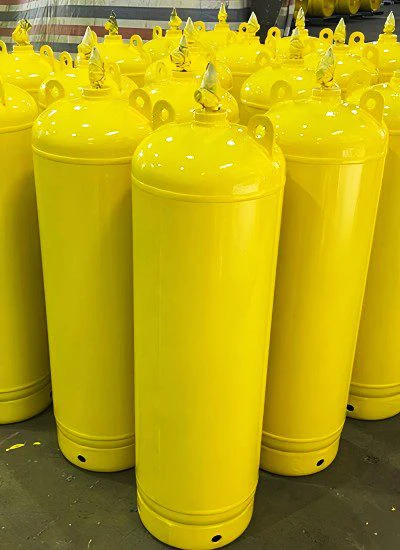
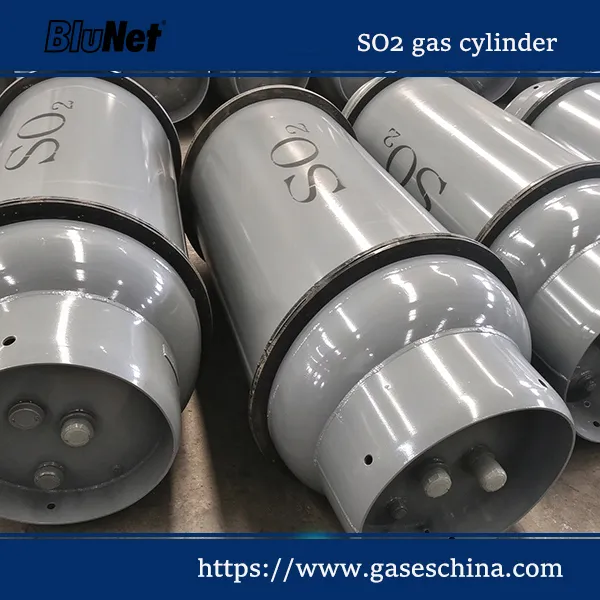
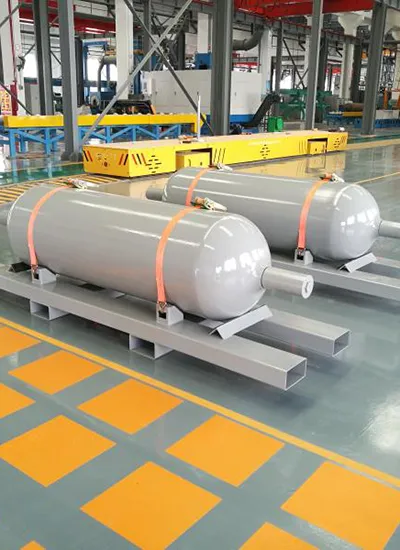
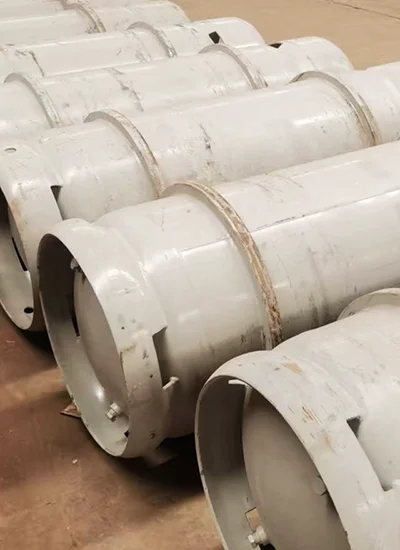
Jumbo gas cylinders and Y-ton cylinders are large-capacity pressure vessels used to store and transport selected industrial and specialty gases. They can provide a larger gas inventory per vessel than conventional cylinders, helping reduce container changeovers and simplify gas supply for certain industrial applications.
The term “jumbo gas cylinder” is used broadly in the market, while Y-ton cylinder refer to a particular large-capacity cylinder configuration. The appropriate vessel depends on gas compatibility, water capacity, working pressure, valve design, and applicable certification.
Types of Jumbo Gas Cylinders and Their Applications
Large-capacity cylinders may be used for different industrial and specialty gases, provided the specific cylinder model is approved for the intended service. Compare available configurations in our range of jumbo gas cylinders for industrial and specialty gas applications.
| Gas Type | Typical Applications | Key Considerations |
|---|---|---|
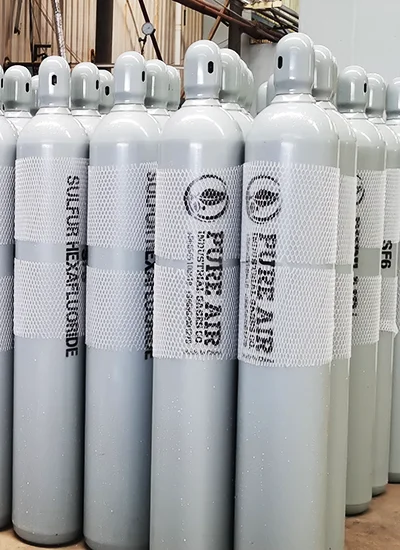
| Sulfur hexafluoride (SF₆) | Gas-insulated electrical equipment and switchgear | Approved cylinder design, gas recovery, and emission control |
| Nitrous oxide (N₂O) | Medical, food-processing, laboratory, and selected industrial uses | Filling limits, pressure-temperature conditions, and gas grade |
| Hydrogen chloride (HCl) | Chemical manufacturing, metal treatment, and process-gas supply | Corrosion compatibility, valve materials, and moisture control |
| Carbon dioxide (CO₂) | Food and beverage processing, welding, and industrial manufacturing | Approved pressure rating, filling limits, and delivery conditions |
| Electronic specialty gases, including NF₃ and selected fluorinated gases | Semiconductor manufacturing and specialized industrial processes | Gas purity, material compatibility, containment, and dedicated connections |
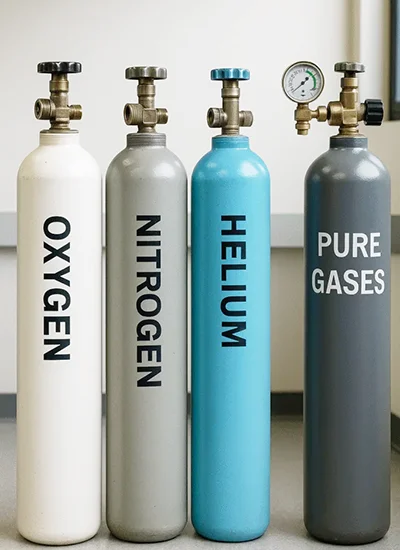
| Nitrogen (N₂), argon (Ar), helium (He), oxygen (O₂), and hydrogen (H₂) | Purging, welding, leak detection, metal processing, and other industrial applications | Gas-specific design approval, pressure requirements, and handling controls |
Important: This table describes potential applications, not universal compatibility or guaranteed product availability. Confirm that the exact cylinder model and complete valve assembly are approved for the intended gas.
Jumbo Cylinders vs. Y-Ton Cylinders
Jumbo gas cylinder is a broad commercial term, whereas Y-ton cylinder describes a specific large-capacity cylinder configuration. Other gas-supply systems, such as cylinder bundles and tube trailers, are separate equipment categories.
| Equipment Type | Description | Typical Role |
|---|---|---|
| Jumbo gas cylinder | General term for a large-capacity gas cylinder | Storage and transport of approved industrial gases |
| Y-ton cylinder | Specific large-capacity cylinder configuration | Selected industrial and specialty-gas supply |
| Cylinder bundle | Multiple cylinders connected through a manifold | Centralized gas supply and higher-volume delivery |
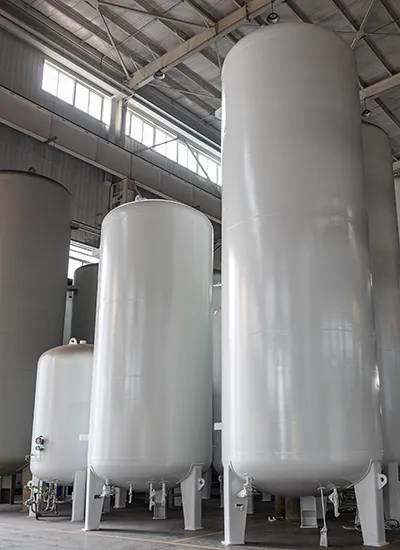
| Tube trailer | Transport system containing multiple large pressure vessels | Bulk compressed-gas transportation |
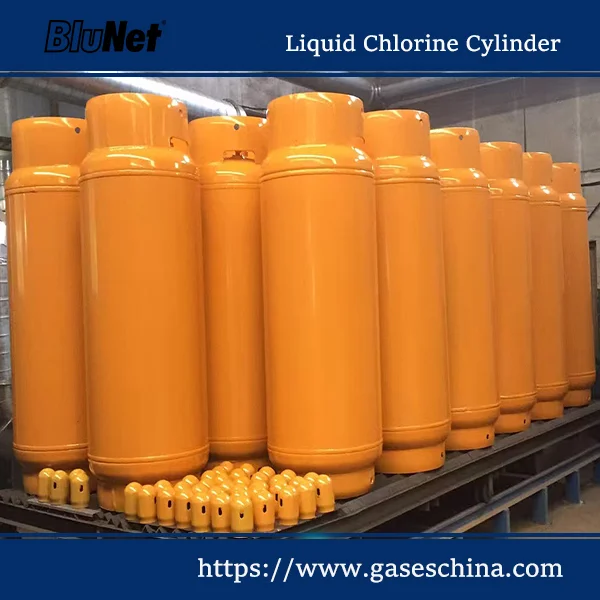
Chlorine ton containers are another distinct product category designed specifically for chlorine service. They should not be treated as interchangeable with standard seamless jumbo cylinders or Y-ton cylinders.
Technical Specifications and Selection Criteria
When selecting a jumbo or Y-ton cylinder, buyers should evaluate the following specifications against the intended gas service and local regulatory requirements.
| Parameter | What to Verify |
|---|---|
| Water capacity | Internal vessel volume and required gas inventory |
| Working pressure | Approved operating pressure and applicable design rating |
| Material compatibility | Cylinder material, internal surface, valves, seals, and connections |
| Gas purity | Cleanliness, contamination control, and traceability requirements |
| Standards and certification | Applicable design approval, inspection, testing, and transport requirements |
| Handling and connections | Tare weight, lifting arrangements, valve connections, and installation requirements |
Water capacity is not the same as usable gas quantity. Actual gas inventory depends on the gas properties, pressure, temperature, and permitted filling conditions. For liquefied gases, filling limits and temperature conditions are particularly important.
Safety and Compliance
Large-capacity cylinders require appropriate handling, inspection, and storage procedures. The applicable controls depend on the gas, cylinder design, operating conditions, and destination market.
- Use only cylinders approved for the intended gas service.
- Follow manufacturer instructions for filling, storage, handling, and inspection.
- Secure cylinders and use suitable lifting and transportation equipment.
- Protect valves and connections from impact, contamination, and unauthorized modification.
- Provide ventilation, gas detection, and emergency controls where required by the risk assessment.
- Apply gas-specific precautions for toxic, corrosive, flammable, and oxidizing gases.
- Verify applicable certification, inspection, and transport requirements before use.
Specialty gases may require additional controls for purity, leakage prevention, containment, and material compatibility. Never select a cylinder solely because its dimensions or pressure rating appear suitable.
Consult our gas cylinder guide for additional information on cylinder types, inspection, standards, and safe handling.
Need Help Selecting a Y-Cylinder?
Tell BluNet which gas you need to store or transport, the required filling quantity, and the destination market.
TECHNICAL FAQs
FAQ About Y-Cylinder Gas Compatibility
A Y-ton cylinder is a large-capacity cylinder configuration used for selected industrial and specialty gases. Its suitability depends on the specific model, approved gas service, pressure rating, and required handling arrangements.
Depending on the approved design and manufacturer, large-capacity cylinders may be available for selected gases such as SF₆, N₂O, HCl, CO₂, and certain electronic specialty gases. Other industrial gases may use different large-capacity cylinder configurations or supply systems.
Confirm the gas type, required capacity, working pressure, material compatibility, valve configuration, certification, and transport requirements. The manufacturer should verify that the selected model is approved for the intended service.
Conclusion
Jumbo gas cylinders and Y-ton cylinders support industrial and specialty-gas applications that require larger gas quantities per vessel. The right configuration depends on gas compatibility, capacity, pressure rating, connections, certification, and handling requirements.
Before purchasing, confirm the approved gas service and technical specifications with the manufacturer. Selecting a cylinder based on verified specifications helps ensure that the equipment meets the application’s operational and regulatory requirements.

No comment