

Chlorine (Cl₂) is an essential industrial chemical used in water disinfection, chemical manufacturing, plastics production, pulp and paper processing, and other industrial applications. Its strong oxidizing properties and chemical reactivity make it valuable for treating water and producing a wide range of chemical compounds and materials.
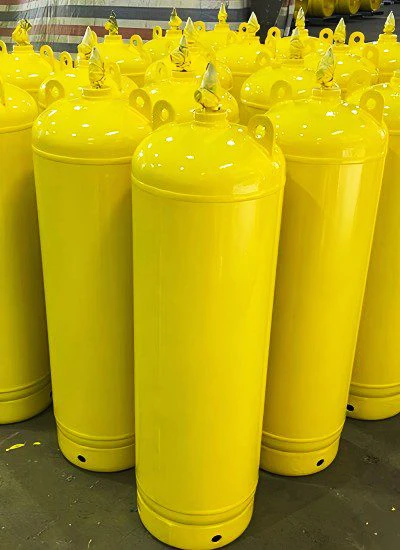
Understanding the industrial uses of chlorine also helps explain why suitable storage, transportation, and handling equipment is important. For facilities that use liquefied chlorine, purpose-designed chlorine cylinders can support controlled supply and distribution when selected and operated in accordance with applicable regulations.
This guide explains the main applications of chlorine, how it functions in different industries, and the key considerations for chlorine gas storage and cylinder selection.
1. What Is Chlorine?
Chlorine is a chemical element with the symbol Cl and atomic number 17. In its elemental form, it exists as diatomic chlorine gas (Cl₂), a greenish-yellow gas with a pungent, irritating odor. Chlorine can be liquefied under suitable pressure and temperature conditions for storage and transportation.
Industrial chlorine is commonly produced through the electrolysis of sodium chloride brine. It serves as both a disinfectant and a chemical feedstock, supporting applications ranging from municipal water treatment to large-scale chemical manufacturing.
It is important to distinguish elemental chlorine from chlorine-based compounds. Sodium hypochlorite, commonly found in liquid bleach, and calcium hypochlorite are different chemicals with their own handling requirements. They are not interchangeable with chlorine gas, and their storage systems must be selected accordingly.
2. What Is Chlorine Used For?
Chlorine has several major industrial uses, ranging from municipal water treatment to the manufacture of plastics and specialty chemicals. The following applications illustrate why chlorine remains an important raw material across multiple industries.
2.1 Drinking Water Treatment
One of the best-known uses of chlorine is drinking water disinfection. Water treatment facilities use chlorine or suitable chlorine-based disinfectants to help inactivate harmful microorganisms and protect public health.
Depending on the treatment system, chlorination can provide primary disinfection and maintain a disinfectant residual within the distribution network. Treatment operators must determine the appropriate disinfectant, dose, contact time, and operating conditions based on water quality and applicable drinking water standards.
For facilities using elemental chlorine gas, the supply system requires compatible equipment, controlled dosing, effective ventilation, gas detection where required, and suitable emergency response measures.
2.2 Wastewater Treatment
Chlorine is also used in selected wastewater treatment applications to reduce microbial contamination before treated water is discharged or reused. Its role depends on the wastewater characteristics, treatment objectives, and local environmental requirements.
Wastewater treatment plants may use chlorine-based disinfection as part of a broader treatment process. Operators must control disinfection performance and manage potential residual chlorine to meet discharge limits and protect receiving environments.
Elemental chlorine gas is only one possible source of chlorine-based disinfectants. The appropriate chemical and delivery system depend on facility design, chemical demand, safety requirements, and operating capacity.
2.3 PVC and Plastics Manufacturing
Chlorine is a major feedstock for the chemical industry, including the production of vinyl chloride monomer, which is used to manufacture polyvinyl chloride (PVC).
PVC is widely used in construction and infrastructure products such as pipes, fittings, window profiles, cable insulation, flooring, and protective materials. Chlorine chemistry also contributes to the manufacture of other polymers, additives, and industrial compounds.
In these applications, chlorine generally serves as a raw material in chemical synthesis rather than being directly incorporated as chlorine gas into finished plastic products. Chemical plants require process-specific supply systems and strict controls for handling chlorine as a hazardous industrial chemical.
2.4 Chemical Manufacturing
Another important industrial use of chlorine is the production of organic and inorganic chemicals. Chlorine participates in chemical reactions used to manufacture intermediates and products for water treatment, materials processing, pharmaceuticals, electronics, and other industrial sectors.
Chlorine-derived chemicals include hydrochloric acid, certain chlorinated organic compounds, and chemicals used in the production of epoxies and other industrial materials. The exact role of chlorine depends on the manufacturing process and the required chemical properties of the final product.
Because chlorine is reactive and toxic, chemical manufacturing facilities need equipment designed for the specific service, along with suitable process controls, leak prevention measures, and emergency planning.
2.5 Pulp and Paper Processing
Chlorine chemistry has applications in pulp and paper manufacturing, including the production of bleaching chemicals and other process chemicals. These substances help modify or remove color-producing components from pulp and support the manufacture of paper products with specified appearance and performance characteristics.
Modern pulp bleaching processes vary by mill, product requirements, and environmental standards. Elemental chlorine is not used in every bleaching process; chlorine dioxide and other bleaching agents may be selected instead.
When elemental chlorine is used in an industrial process, storage and delivery equipment must be compatible with the chemical and the facility’s operating conditions.
2.6 Industrial Cooling Water Systems
Some industrial facilities use chlorine-based treatment to control microorganisms and biological growth in cooling water systems. These applications may include selected cooling towers, recirculating water systems, and industrial water circuits.
Appropriate treatment can help manage biological fouling and support heat-transfer performance. However, the chemical program must account for water chemistry, materials compatibility, discharge requirements, and the risk of corrosion or unwanted by-products.
Elemental chlorine gas may be used in some installations, while other facilities use sodium hypochlorite or alternative treatment technologies. The choice depends on the system design, treatment objectives, and site-specific safety assessment.
2.7 Disinfectants, Bleaching Chemicals, and Other Products
Chlorine is an important raw material in the production of disinfectants, bleaching chemicals, and other products used in sanitation and industrial processing. Chlorine-derived compounds serve applications in cleaning products, textile processing, water treatment, and selected food-processing sanitation systems.
For example, sodium hypochlorite is used in many disinfection and bleaching applications. Other chlorine-derived chemicals are used as intermediates in the production of solvents, coatings, and specialty materials.
These applications should not be confused with the direct use of elemental chlorine gas. Each chemical has its own concentration limits, compatibility requirements, and handling procedures.
3. Why Is Chlorine Important in Industry?
Chlorine provides several functions that make it valuable in industrial processes:
- Disinfection: Helps inactivate microorganisms in drinking water and selected wastewater treatment applications.
- Oxidation: Supports certain water treatment and chemical processing reactions.
- Chemical synthesis: Serves as a feedstock for producing a broad range of organic and inorganic chemicals.
- Materials production: Contributes to the manufacture of PVC and other chlorine-derived materials.
- Industrial process support: Provides chemical inputs for selected pulp and paper, cooling water, and manufacturing operations.
The value of chlorine depends on the application. Facilities must evaluate the required chemical form, process conditions, treatment objectives, and environmental controls before choosing a chlorine supply method.
4. Chlorine Gas vs. Chlorine-Based Disinfectants
Although the terms are sometimes used interchangeably in general discussions, elemental chlorine gas and chlorine-based disinfectants are different chemical forms. Understanding the distinction is important when selecting chemical storage and dosing equipment.
| Chemical Form | Typical Applications | Storage Considerations |
|---|---|---|
| Elemental chlorine (Cl₂) | Chemical synthesis, selected water treatment systems, industrial disinfection | Purpose-designed, compatible pressure vessels and gas delivery equipment |
| Sodium hypochlorite solution | Water disinfection, bleaching, sanitation | Compatible chemical storage tanks and dosing systems |
| Calcium hypochlorite | Selected water disinfection and sanitation applications | Dry chemical storage under the product-specific conditions |
| Chlorine dioxide (ClO₂) | Selected drinking water, wastewater, and pulp bleaching processes | Specialized generation, dosing, and handling arrangements |
These substances are not interchangeable. Storage vessels, valves, dosing equipment, and operating procedures must be selected for the specific chemical and application.
4. Chlorine Gas Storage and Transportation
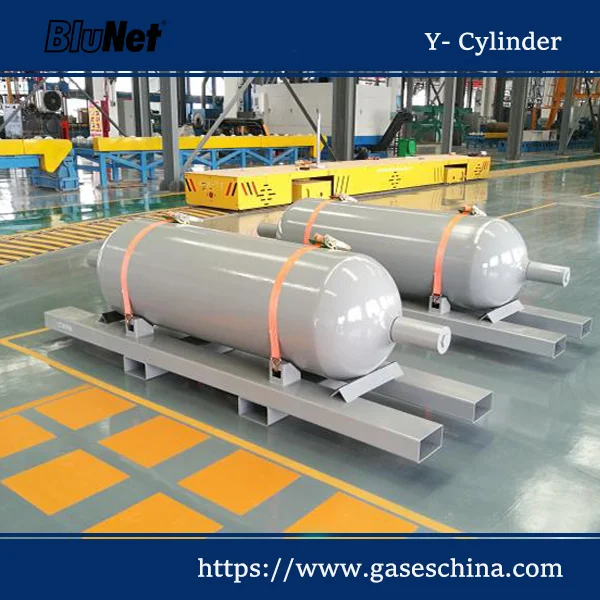
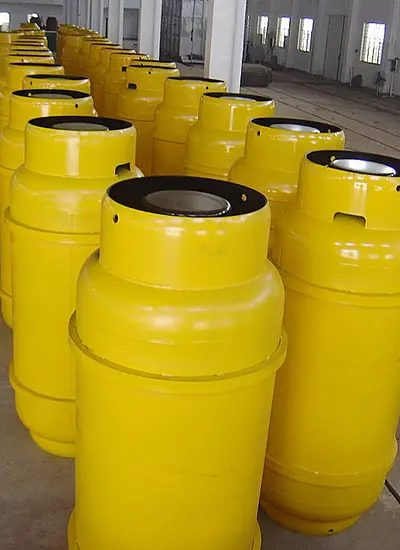
Elemental chlorine is toxic by inhalation and can cause severe respiratory injury. When liquefied chlorine is stored or transported in cylinders, the equipment must be specifically suitable for chlorine service and compliant with applicable pressure-vessel and dangerous-goods regulations.
Industrial buyers and facility operators should evaluate several factors when planning chlorine gas storage and transportation:
- Material compatibility: Verify that the cylinder, valve, seals, and connections are suitable for chlorine service.
- Applicable standards: Confirm the relevant design, manufacturing, inspection, and transport requirements for the intended market.
- Capacity and supply demand: Select an approved cylinder configuration that matches consumption, delivery frequency, and handling capability.
- Valve configuration: Ensure the valve and accessories match the approved cylinder design and intended withdrawal method.
- Inspection and traceability: Check identification, inspection status, test records, and service-life requirements.
- Facility safety: Provide appropriate ventilation, gas detection, access control, trained personnel, and emergency response arrangements as required by the risk assessment.
- Transport compliance: Follow applicable packaging, labeling, documentation, handling, and carrier requirements.
Chlorine cylinders should never be selected solely by nominal capacity or pressure rating. Chlorine-specific compatibility and regulatory approval must be verified before use, with the complete installation reviewed by qualified professionals.
For product information and available configurations, visit BluNet’s chlorine cylinder product page.
5. How to Select a Chlorine Cylinder
Choosing a chlorine cylinder requires consideration of the intended application, supply volume, equipment compatibility, and destination-market regulations. Before purchasing, industrial buyers should review the following points.
Capacity and Application Requirements
Evaluate chlorine consumption, delivery frequency, available storage space, and material-handling capability. Available sizes and permitted filling quantities depend on the approved cylinder design and applicable regulations.
Material and Valve Compatibility
Confirm that the cylinder body, valve, seals, and accessories are suitable for chlorine service. The complete assembly must be compatible with the intended application and approved operating conditions.
Standards and Documentation
Ask the supplier for relevant technical specifications, certification documents, inspection information, valve details, and export documentation. Verify that the proposed cylinder complies with the requirements of the intended destination market and transport method.
For industrial procurement, a qualified supplier should clarify the available configurations and identify which requirements need to be confirmed before an order is placed.
Explore BluNet’s chlorine cylinder solutions to review product information and discuss your application requirements.
6. Conclusion
Chlorine is widely used in drinking water disinfection, wastewater treatment, PVC manufacturing, chemical production, pulp and paper processing, and selected industrial cooling water systems. Its role as both a disinfectant and chemical feedstock makes it an important material across numerous industries.
However, elemental chlorine gas presents significant hazards and requires appropriate storage, transportation, and handling controls. For industrial facilities using chlorine cylinders, material compatibility, approved capacity, valve configuration, inspection status, and applicable regulations must all be verified before purchase.
For chlorine storage and transportation requirements, visit BluNet’s chlorine cylinder product page to review product information and enquire about a suitable configuration for your application.
TECHNICAL QUESTIONS
Frequently Asked Questions About Chlorine
Chlorine is mainly used in drinking water disinfection, wastewater treatment, PVC manufacturing, chemical production, and the manufacture of bleaching chemicals. Its role depends on the application, with elemental chlorine serving as both an industrial chemical feedstock and a disinfectant in selected treatment systems.
No. Chlorine gas (Cl₂) is an elemental chemical, while household bleach typically contains sodium hypochlorite dissolved in water. Both are associated with disinfection, but they have different chemical properties, storage requirements, and handling procedures. They must never be treated as interchangeable products.
Chlorine gas may be liquefied under appropriate pressure and temperature conditions for storage and transportation in approved, chlorine-compatible cylinders or other purpose-designed containers. Equipment must comply with applicable regulations, and storage facilities require appropriate safety controls, trained personnel, and emergency procedures.
Buyers should verify the intended application, approved cylinder capacity, material and valve compatibility, applicable design and transport standards, inspection status, and destination-market requirements. Request the relevant technical specifications and compliance documentation from the supplier before placing an order. For product information, visit BluNet’s chlorine cylinder product page.

No comment