

Compressed gas cylinders are critical assets across industrial, medical, and energy sectors.
Their safe operation depends on strict inspection, testing, and handling procedures.
Improper maintenance can lead to leaks, explosions, or system failures.
This guide provides a comprehensive technical overview of gas cylinder safety, inspection workflows, and testing methods, including hydrostatic and ultrasonic testing.
1. Understanding Gas Cylinder Safety
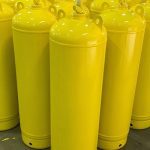
gas cylinders are pressure vessels designed to store gases under high pressure.
Depending on the application, gases may exist as:
- Compressed gases (oxygen, nitrogen)
- Liquefied gases (LPG, CO₂)
- Supercritical fluids
- Dissolved gases (acetylene)
Each state presents unique risks, making safety protocols essential in all applications.
2. Gas Cylinder Inspection and Testing Requirements
Cylinders must undergo periodic requalification every 5 to 10 years, depending on:
- Material (steel, aluminum, composite)
- Gas type
- Service conditions
Inspection results are permanently stamped on the cylinder, indicating test date and compliance status.
Technical Reference (ISO-Based Procedure)
According to standardized inspection frameworks such as those developed by the International Organization for Standardization (ISO), gas cylinders shall undergo periodic inspection and testing following a defined sequence.
- Identification and preparation for inspection
- Depressurization and valve removal
- External visual inspection
- Internal condition assessment
- Supplementary testing where required
- Inspection of cylinder neck and threads
- Pressure testing or ultrasonic examination
- Inspection of valves and accessories
- Replacement of defective components
- Repair operations (if permitted)
- Final inspection and marking
- Rejection and rendering unserviceable
The sequence of these procedures is critical. Internal inspection must always be conducted before pressure or ultrasonic testing. Cylinders that fail any stage shall be rejected or subjected to additional evaluation to determine suitability for continued service.
4. Hydrostatic Testing of Gas Cylinders
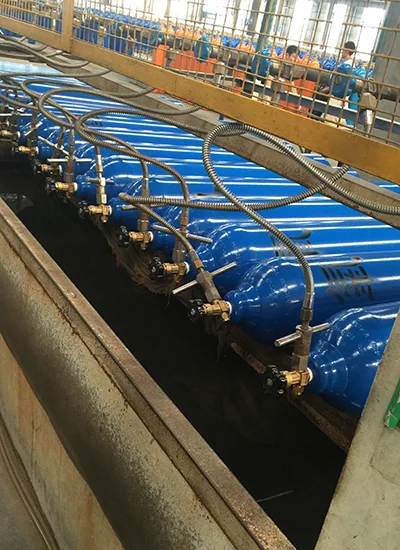
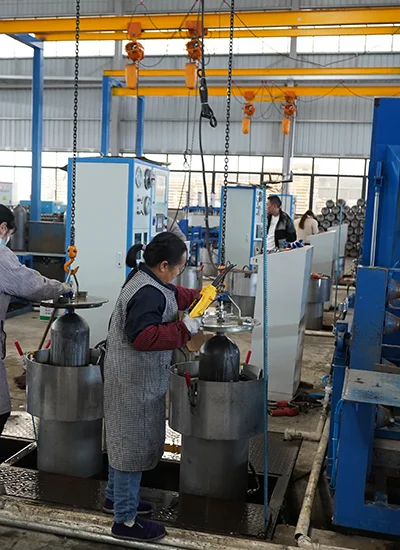
Hydrostatic testing is the most widely used method for verifying cylinder strength and integrity.
- Remove residual gas
- Fill cylinder with water
- Apply pressure (typically 1.5× working pressure)
- Measure expansion (elastic and permanent)
- Drain, dry, and inspect
Advantages:
- High reliability
- Regulatory acceptance
- Effective structural evaluation

5. Ultrasonic Testing for Cylinders
Ultrasonic testing is a non-destructive method used to detect internal flaws and measure wall thickness.
- Uses ultrasonic probes
- Detects corrosion and cracks
- Requires no water or drying process
Advantages:
- Fast and efficient
- High precision
- Minimal downtime
6. Gas Cylinder Safety Precautions
Handling Safety
- Only trained personnel should handle cylinders
- Do not drop or roll cylinders
- Use proper lifting equipment
Storage Safety
- Store in well-ventilated areas
- Keep away from heat sources
- Secure cylinders upright
Operational Safety
- Use correct regulators
- Inspect hoses regularly
- Open valves slowly
Prohibited Actions
- Do not use cylinders as supports
- Do not expose to extreme heat
- Do not refill disposable cylinders
- No unauthorized repairs
7. Common Causes of Cylinder Rejection
During inspection, gas cylinders may be deemed unsafe and rejected if they fail to meet structural or safety requirements.
Primary Rejection Criteria
- Corrosion: Internal or external material degradation affecting wall thickness
- Mechanical Damage: Dents, cuts, or gouges that weaken structural integrity
- Cracks or Defects: Visible or detected structural flaws
- Thread Damage: Worn or deformed neck threads affecting valve sealing
- Heat Exposure: Thermal damage altering material properties
- Excessive Expansion: Permanent deformation detected during pressure testing
Required Actions for Rejected Cylinders
- Permanently marked to indicate rejection status
- Removed from operational service immediately
- Rendered unusable (e.g., crushing, drilling, or cutting)
8. Heat Effects on Cylinder Integrity
Exposure to elevated temperatures can significantly affect the mechanical properties of steel gas cylinders, potentially compromising safety and performance.
Effects of Heat Exposure
- Reduced Tensile Strength: Lower resistance to internal pressure
- Loss of Ductility: Increased risk of cracking under stress
- Increased Brittleness: Higher likelihood of sudden failure
Controlled Temperature Applications
Manufacturers define strict maximum allowable temperatures for various operations, including:
- Welding and repair processes
- Surface treatments and coatings
- Maintenance and refurbishment procedures
Exceeding these temperature limits can result in irreversible damage and requires immediate evaluation or cylinder rejection.
9. Professional Gas Cylinder Testing Services
Professional testing ensures compliance, safety, and extended service life.
DSW Services Include:
- Hydrostatic testing
- Ultrasonic inspection
- Cylinder valve replacement
- Shot blasting and surface treatment
- Gas service conversion
- Cylinder refurbishment
With advanced equipment and strict quality control, DSW ensures your cylinders remain safe and compliant.
TECHNICAL FAQs
About Cryogenic Tanks and ISO Tank Containers
Gas cylinders must undergo periodic requalification every 5 to 10 years depending on material type, gas content, and service conditions. Inspection results are permanently stamped on the cylinder for compliance tracking.
The ISO-based inspection process includes identification, depressurisation, valve removal, external and internal inspection, neck and thread inspection, pressure or ultrasonic testing, valve inspection, repair if permitted, final marking, and rejection if necessary.
Hydrostatic testing is a method used to verify cylinder strength by filling it with water and pressurising it to about 1.5 times its working pressure. Expansion is measured to detect leaks, cracks, or permanent deformation.
Ultrasonic testing is a non-destructive method that uses high-frequency sound waves to detect internal cracks, corrosion, and measure wall thickness. It does not require water filling or drying, making it fast and efficient.
Safety precautions include handling cylinders only by trained personnel, storing them upright in ventilated areas, avoiding heat exposure, using correct regulators, and regularly inspecting hoses and valves.
Gas cylinders may be rejected due to corrosion, mechanical damage, cracks, thread defects, heat exposure, or excessive permanent expansion detected during pressure testing.
Exposure to high temperatures reduces tensile strength, increases brittleness, and lowers ductility of steel cylinders. This can compromise structural integrity and lead to failure under pressure.

No comment