

Authoritative Overview: This guide is based on industrial gas engineering practices used in specialty gas distribution, semiconductor manufacturing, and laboratory calibration systems. It explains how high purity gas cylinders are classified based on internal surface treatment, cleanliness level, and gas purity requirements.
What Is a High Purity Gas Cylinder System?
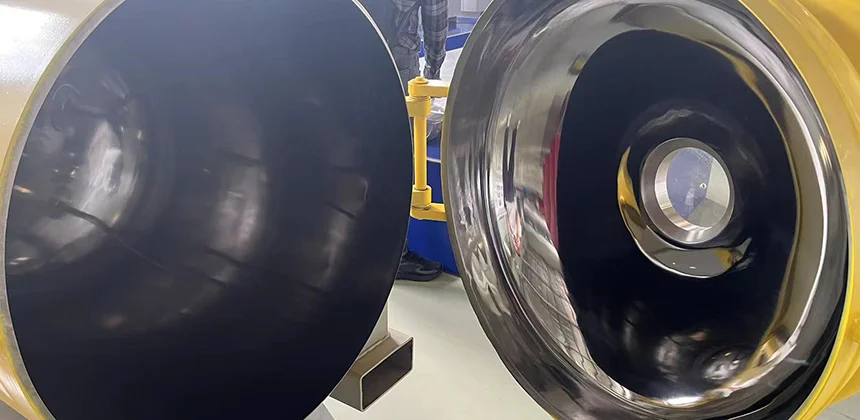
A high-purity gas cylinder system is an engineered storage and delivery solution designed to maintain gas composition integrity by minimizing contamination, adsorption, and moisture ingress. These systems are critical in industries where even trace impurities (ppm–ppb levels) can impact process stability and product yield.
Typical applications include semiconductor fabrication, analytical laboratories, medical gas calibration, and specialty chemical processing.
Common Industrial Gases Stored in High-Purity Cylinders
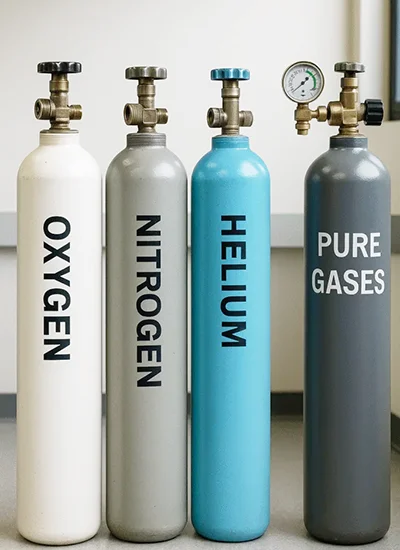
High-purity cylinders are commonly used for the following gases, depending on application requirements:
- Nitrogen (N₂) – 99.999% (5.0), up to 99.9999% (6.0) for semiconductor use
- Oxygen (O₂) – 99.5% industrial to 99.999% high purity
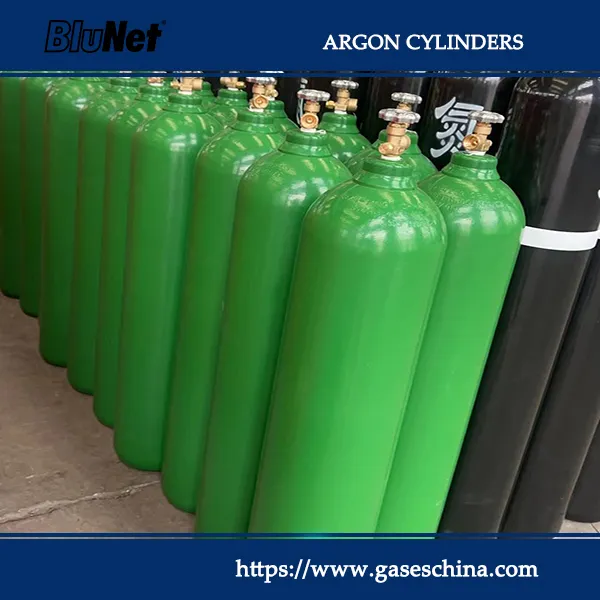
- Argon (Ar) – 99.999% for welding, electronics, and lab use
- Hydrogen (H₂) – 99.999% to 99.9999% for fuel cells and labs
- Helium (He) – 99.999%+ for leak detection and cryogenics
- Carbon Dioxide (CO₂) – 99.99% for calibration and food-grade systems
- Ammonia (NH₃) – high-purity grades for semiconductor etching
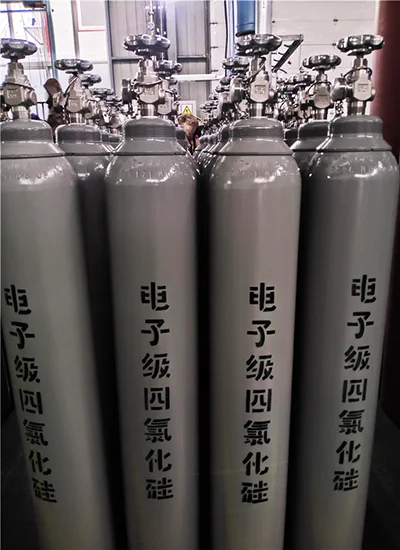
- Silane (SiH₄) – ultra-high purity semiconductor gas
- Nitric Oxide (NO), Nitrous Oxide (N₂O) – medical and analytical use
Note: Specialty gases such as SiH₄, PH₃, and NH₃ require ultra-clean cylinder systems due to their reactivity and contamination sensitivity.
Typical Gas Purity Levels (Industry Standards)
| Grade | Purity Level | Typical Impurity Level | Applications |
|---|---|---|---|
| Industrial Grade | ~99.0% – 99.9% | 1000–10,000 ppm | Welding, cutting, general use |
| High Purity (HP) | 99.99% – 99.999% | 10–100 ppm | Laboratories, calibration, research |
| Ultra High Purity (UHP) | 99.999% – 99.9999% | <1–10 ppm / ppb level | Semiconductor, electronics, precision manufacturing |
Classification of High-Purity Gas Cylinders
1. Standard Industrial Cylinders
- Basic internal cleaning only
- No precision surface treatment
- Suitable for non-sensitive gases
Not recommended for high-purity gas use.
2. High-Purity Cleaned Cylinders
- Degreasing, vacuum baking, and particle removal
- Controlled moisture and oil residue levels
- Improved internal cleanliness
Used for: 10–100 ppm level gas applications
3. High-Purity Polished Cylinders (Mechanically or Electropolished)
- Internal surface polishing reduces Ra value
- Minimizes adsorption of reactive gases
- Improves gas stability and repeatability
Used for: Analytical gases, calibration gases, laboratory systems
4. Nickel-Plated High-Purity Cylinders
- Nickel coating provides chemical inert barrier
- Excellent corrosion and oxidation resistance
- Enhances long-term gas stability
Used for: Reactive specialty gases and semiconductor processes
5. Ultra-High Purity (UHP) Cylinders
- Electropolished + ultra-clean processing
- Vacuum-grade cleaning procedures
- Strict ppm/ppb contamination control
Used for: Semiconductor fabs, photonics, advanced research
High-Purity Gas Cylinder System Structure
- Base Material (Seamless Steel / Alloy Steel)
- Internal Treatment (Cleaning / Polishing / Nickel Plating / UHP Finish)
- Valve & Regulator System (High Precision)
- Gas Filling & Quality Certification (COA / Traceability)
Why High-Purity Classification Matters
- Ensures consistent gas composition at ppm/ppb level
- Reduces contamination risk in sensitive production environments
- Improves repeatability in analytical testing
- Supports semiconductor-grade manufacturing requirements
- Extends cylinder lifecycle and operational reliability
Engineering Expertise Note
In industrial gas engineering, the selection of cylinder surface treatment (cleaned, polished, or nickel plated) is directly linked to gas reactivity and required purity level. For example, reactive gases such as silane (SiH₄) or ammonia (NH₃) require enhanced surface inertness to prevent decomposition or contamination during storage.
Conclusion
High-purity gas cylinder systems are defined by their surface engineering, cleaning process, and ability to maintain gas integrity at extremely low impurity levels. Selecting the correct cylinder type is essential for industries such as semiconductors, laboratories, and specialty gas manufacturing where even trace contamination can affect performance and safety.
TECHNICAL FAQs
About High-Purity Gas Cylinders and UHP Systems
A high-purity gas cylinder is designed to store gases with minimal contamination using advanced cleaning, polishing, or coating processes to maintain gas integrity at ppm or ppb levels.
High-purity cylinders typically control impurities at ppm levels, while ultra-high purity (UHP) cylinders control contaminants at ppm to ppb levels for semiconductor and advanced electronics applications.
A polished gas cylinder has an internally smoothed surface using mechanical or electropolishing processes to reduce surface roughness and minimize gas adsorption and contamination.
Nickel plated gas cylinders provide a chemically inert surface layer that improves corrosion resistance and reduces interaction between reactive gases and the cylinder wall.
Industrial gas cylinders typically range from 99.0% to 99.9% purity with impurity levels between 1000–10,000 ppm, depending on application requirements.
Surface treatment such as cleaning, polishing, or nickel plating reduces contamination, moisture adsorption, and chemical reactions, helping maintain gas purity during storage.
The highest level is ultra-high purity (UHP), which can reach 99.9999% purity with impurity levels controlled at ppb range, mainly used in semiconductor and precision industries.
)
No comment