

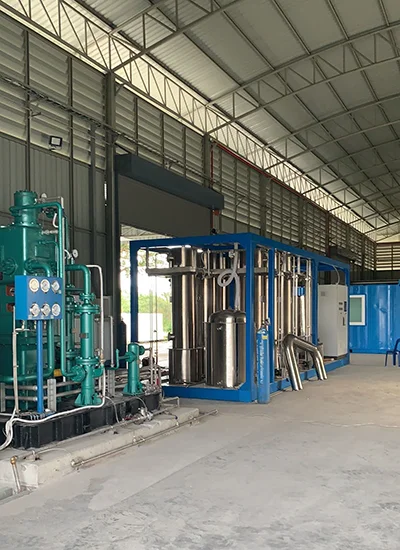
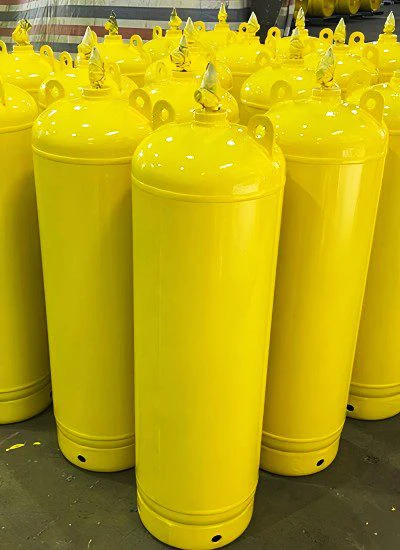
Carbon dioxide (CO2) is used in food and beverage processing, welding, water treatment, greenhouse cultivation, and a range of industrial applications. Choosing the right CO2 supply arrangement depends on gas consumption, required purity, operating pressure, peak flow rate, storage conditions, and replenishment frequency.
BluNet provides industrial gas storage equipment and supply system solutions for different operational requirements. From cylinder-based supply to bulk storage and gas distribution equipment, we help customers evaluate suitable configurations for their applications.
Whether you are planning a new installation or reviewing an existing gas supply system, understanding the available supply methods is an important first step. For different industrial applications, explore our carbon dioxide products and supply options to understand the available CO2 specifications and supply formats.
CO2 Supply Solutions for Different Industries
CO2 requirements vary by application. Gas grade, process conditions, consumption patterns, and equipment compatibility should be confirmed before selecting a supply system.
Food and Beverage Processing
Carbon dioxide is used for beverage carbonation, selected food processing operations, and modified atmosphere packaging (MAP). The appropriate supply arrangement depends on production volume, required gas quality, peak demand, and the frequency of replenishment.
Food-contact applications require CO2 that meets the applicable food-grade specification and contaminant limits. Gas quality documentation should be verified before use.
Welding and Metal Fabrication
CO2 is commonly used as an active shielding gas in MAG welding of carbon steel. It may also be blended with argon to achieve different arc characteristics and weld properties.
Gas selection depends on the base material, welding process, material thickness, transfer mode, and required weld quality. Cylinder supply or a suitable centralized distribution arrangement can be evaluated according to workshop demand.
Explore our welding gas solutions for related industrial gas applications.
Greenhouse CO2 Enrichment
CO2 enrichment can support plant growth in controlled greenhouse environments when concentration, ventilation, crop requirements, and operating conditions are properly managed.
System planning should consider greenhouse volume, target concentration, crop schedule, ventilation losses, and gas distribution. Appropriate monitoring and safety controls are essential to maintain the intended operating conditions.
Water Treatment and pH Control
CO2 can be used to adjust pH in water treatment and certain industrial processes. The required gas flow depends on water chemistry, alkalinity, inlet pH, target pH, and process flow rate.
A suitable system may include gas storage, pressure regulation, flow control, injection equipment, and pH monitoring. Final equipment sizing should be based on actual process data.
Industrial Processing
Other CO2 applications include selected chemical processes, controlled-atmosphere operations, and fire suppression systems designed specifically for carbon dioxide. Suitability depends on the process, equipment design, gas specification, and applicable safety requirements.
CO2 can displace oxygen and create an asphyxiation hazard. Installations must account for ventilation, potential gas accumulation, and appropriate safety controls.
Compare CO2 Supply Methods
The most suitable supply method depends on consumption, peak flow, required pressure, available storage space, delivery access, and the cost of operating the complete system.
| Supply Method | Typical Use | Key Considerations |
|---|---|---|
| Individual CO2 Cylinders | Low consumption, intermittent use, and individual workstations | Cylinder capacity, changeover frequency, regulator compatibility, and required flow |
| Cylinder Manifold or Bundle | Higher packaged capacity and multiple connected cylinders | Manifold design, withdrawal rate, pressure regulation, and changeover arrangements |
| Bulk Liquid CO2 Storage | Facilities with sustained or higher CO2 consumption | Usable storage capacity, operating pressure, filling access, and replenishment schedule |
| Microbulk Arrangement | Intermediate demand where compatible equipment and supply services are available | Equipment availability, storage conditions, demand profile, and delivery logistics |
| Centralized Distribution | Facilities supplying multiple points of use from a common source | Pipeline sizing, pressure drop, isolation, flow control, and safety engineering |
These are general selection guidelines rather than fixed consumption thresholds. The appropriate configuration should be determined from actual operating requirements and the equipment available for the project.
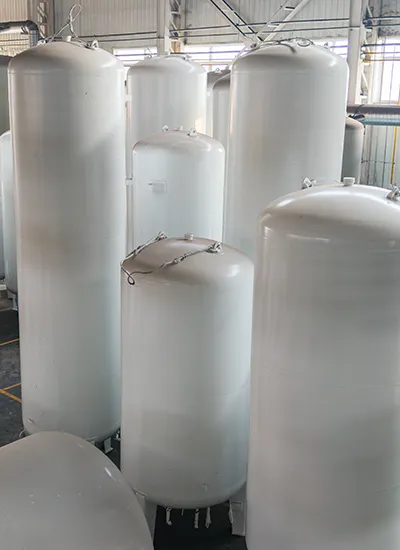
Liquid Nitrogen Cryogenic Tank
BluNet liquid nitrogen cryogenic tank solution for reliable LN₂ storage and distribution.
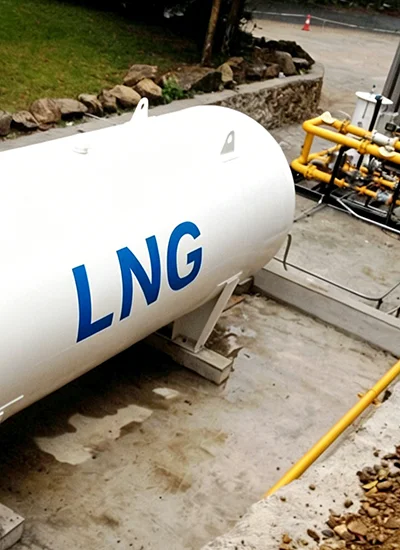
Vacuum-insulated LNG Cryogenic Tank
BluNet LNG cryogenic tank solution for reliable LNG storage and distribution.
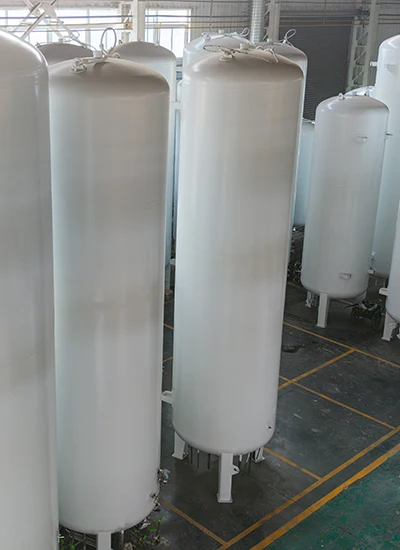
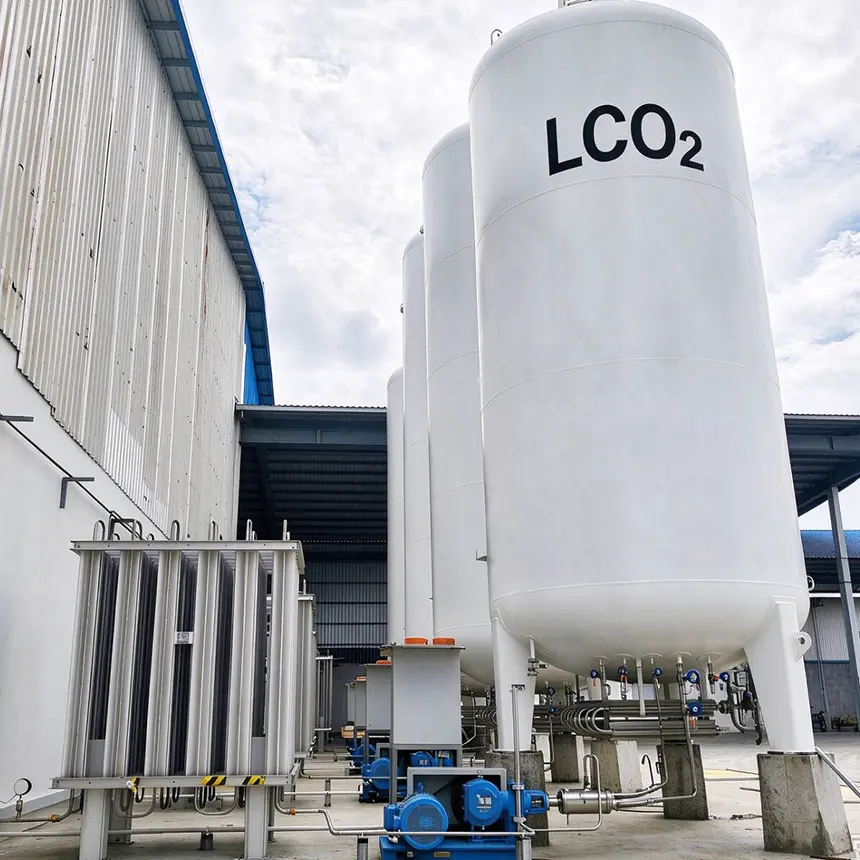
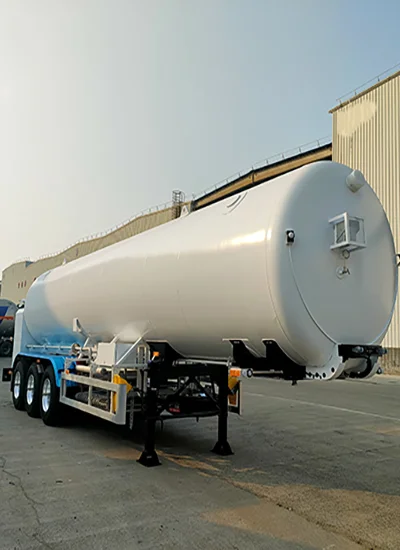
LCO2 Cryogenic Bulk Tank
BluNet LCO₂ cryogenic tank solution for reliable liquid CO₂ storage and distribution.
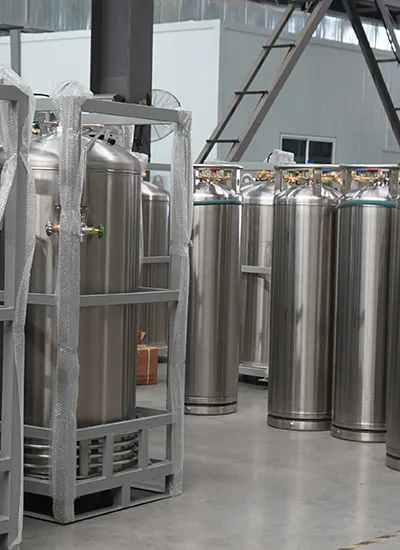
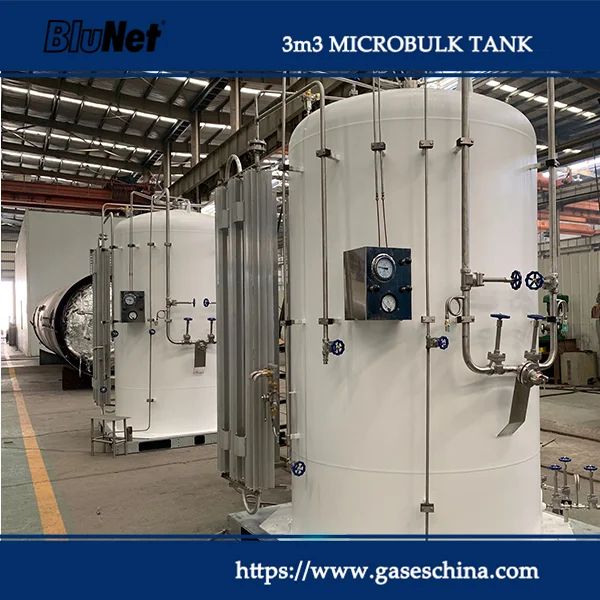
Vacuum-insulated Microbulk System
BluNet Microbulk system for reliable on-site industrial gas storage and supply.
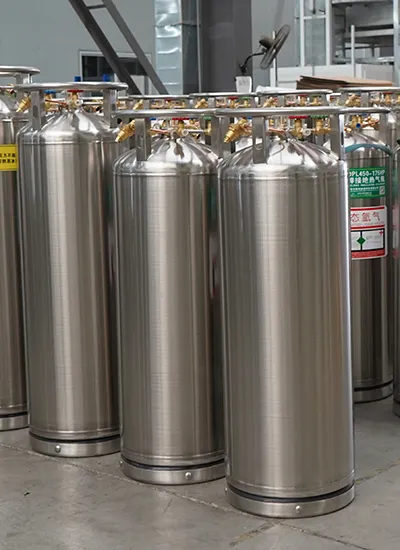
CO2 Cylinder Supply and Manifold Systems
Individual CO2 cylinders can be suitable for workshops, small production lines, laboratories, and applications with intermittent demand. Cylinder-based systems offer flexibility where consumption is relatively low or points of use are distributed across a facility.
When a single cylinder cannot provide the required capacity or withdrawal rate, a compatible cylinder manifold or bundle may be considered. The system should be designed around cylinder specifications, valve arrangements, operating pressure, peak flow, and the required duration of uninterrupted supply.
For cylinder selection, confirm the required water capacity, working pressure, valve connection, applicable standard, and intended withdrawal method. CO2 service may involve liquid withdrawal or vapor withdrawal depending on the cylinder design and application.
View our CO2 cylinders for available product types and specifications. For applications requiring multiple connected cylinders, see our gas cylinder bundles.
Bulk Liquid CO2 Storage Systems
Bulk liquid CO2 storage may be suitable for facilities with sustained consumption, regular production schedules, or demand that makes frequent cylinder replacement impractical.
A bulk storage system may include a storage vessel, filling connections, pressure protection, pressure-control equipment, transfer components, and downstream gas distribution equipment. The final configuration depends on the required CO2 phase, operating conditions, delivery method, and process demand.
Storage Capacity and Replenishment Planning
Storage capacity should be evaluated against average consumption, peak demand, delivery lead time, reserve requirements, and the usable capacity of the selected vessel. Gross vessel volume should not be treated as equivalent to usable liquid CO2 inventory.
For an initial assessment, provide the expected consumption in kg/h, kg/day, or another clearly defined unit, together with the operating schedule and desired replenishment interval. The supplier or system designer can then evaluate an appropriate storage configuration.
Pressure Control and Equipment Compatibility
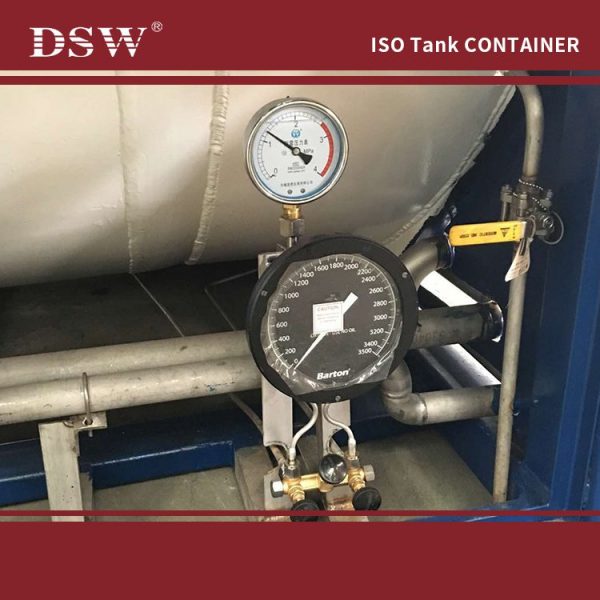
Liquid CO2 systems require careful consideration of pressure and temperature conditions. Equipment, valves, piping, and pressure relief devices must be suitable for the intended CO2 service and the maximum credible operating conditions.
Particular attention should be given to trapped-liquid sections, filling and transfer procedures, pressure changes, and safe isolation. Final specifications should be confirmed against applicable pressure equipment codes and local regulations.
Explore our industrial gas storage system for additional equipment options and storage configurations across different industrial gas applications.
CO2 Storage System Design and Engineering Considerations
Selecting a suitable CO2 storage system requires evaluating storage capacity, operating pressure, temperature, consumption patterns, and downstream supply requirements.
Storage Capacity and Pressure
Storage capacity should account for average and peak consumption, reserve requirements, and delivery intervals. Tank design pressure and usable CO2 inventory must also be considered.
Supply and Distribution Configuration
Liquid or gas withdrawal requirements determine the selection of valves, pressure regulators, and any necessary vaporization equipment. Centralized distribution systems should also consider pipeline sizing, pressure drop, and peak flow requirements.
Safety and Installation
CO2 installations require suitable pressure protection, safe filling and transfer arrangements, and adequate ventilation. Equipment selection and installation should follow applicable pressure vessel standards and local safety regulations.
Microbulk and Centralized CO2 Distribution
A Microbulk arrangement may be considered when CO2 consumption exceeds the practical capacity of individual cylinders but a larger bulk installation may not be necessary. BluNet offers Microbulk CO2 tanks for compact on-site liquid CO2 storage. Feasibility depends on storage requirements, consumption profile, operating pressure, and replenishment arrangements.
Centralized distribution can supply CO2 from a common source to multiple production areas. A properly engineered system should account for pipeline length, pressure drop, peak flow, isolation requirements, control equipment, and the conditions at each point of use.
Microbulk and centralized distribution should be evaluated as project-specific options. Confirm the available equipment, delivery arrangements, and service scope before selecting either method.
CO2 Storage and Distribution Equipment
A CO2 supply installation may require different equipment depending on the supply source and the required phase and pressure at the point of use.
- CO2 cylinders: Packaged gas storage for compatible low-volume or intermittent applications.
- Cylinder manifolds and bundles: Multiple connected cylinders for increased packaged capacity.
- CO2 storage vessels: Storage equipment selected for the required capacity, operating conditions, and CO2 phase.
- Valves and pressure regulators: Components selected for the intended service pressure, flow, and connection requirements.
- Transfer and filling equipment: Compatible components for safe and controlled filling or transfer operations.
- Distribution piping and flow controls: Equipment designed to deliver the required flow and pressure to each point of use.
- Pressure relief and monitoring devices: Protection and monitoring equipment specified according to the system design and applicable regulations.
Not every installation requires every component. Equipment selection should be based on a complete system assessment rather than individual component specifications alone.
How to Select the Right CO2 Supply Solution
Before requesting a quotation, prepare the following information to help determine the suitable supply method and equipment configuration.
| Information Required | What to Confirm |
|---|---|
| Application | Food processing, beverage carbonation, welding, greenhouse enrichment, water treatment, or another process |
| Gas Grade | Industrial, food-grade, or another defined purity specification |
| Consumption | Average and peak demand, with units such as kg/h, kg/day, or Nm3/h |
| Operating Conditions | Required pressure, flow rate, operating schedule, and required gas phase |
| Storage Requirements | Desired usable capacity, reserve inventory, available space, and delivery frequency |
| Supply Configuration | Individual cylinders, manifold, bulk storage, or centralized distribution |
| Installation Location | Indoor or outdoor installation, ventilation, site access, and environmental conditions |
| Destination and Standards | Country of installation, applicable codes, inspection requirements, and transport regulations |
For liquid CO2, storage calculations should use the actual liquid properties and operating conditions. Gas-equivalent volume and liquid storage volume are different quantities and should only be compared using a clearly defined conversion basis.
CO2 Supply Safety and Quality Considerations
Safe and reliable CO2 operation requires appropriate equipment, verified gas specifications, and operating procedures suited to the installation.
- Gas quality: Confirm purity and contaminant limits against the intended application. Food-contact uses require the appropriate food-grade specification and supporting documentation.
- Pressure protection: Select pressure-rated equipment and suitable relief devices for the design conditions.
- Ventilation: Assess the possibility of CO2 accumulation, particularly in enclosed or low-lying areas.
- Gas detection: Evaluate monitoring requirements according to the installation risk assessment and applicable regulations.
- Liquid CO2 handling: Account for trapped-liquid hazards, pressure changes, filling procedures, and transfer conditions.
- Maintenance: Follow the equipment manufacturer’s inspection, testing, and maintenance instructions.
CO2 is colorless and can displace oxygen. Elevated concentrations can create a serious asphyxiation hazard. Storage and distribution systems should be designed, installed, and operated by appropriately qualified personnel in accordance with applicable standards and local requirements.
Industrial Gas Equipment and Supply Expertise
BluNet provides industrial gas equipment and supply system solutions for customers across a range of industrial applications. Our product range includes CO2 cylinders, cylinder bundles, liquid CO2 storage tanks, cryogenic equipment, and related gas supply components.
We help customers evaluate suitable equipment options based on gas requirements, storage capacity, operating pressure, application conditions, and destination market requirements.
Need a Reliable CO2 Supply System?
Contact BluNet with your CO2 grade, consumption, required pressure, storage capacity, and installation location. Our team can help evaluate a suitable CO2 storage and distribution configuration.
TECHNICAL FAQs
About CO2 Supply Solutions
The suitable method depends on consumption, peak flow, required pressure, operating schedule, site conditions, and delivery frequency. Individual cylinders may suit low or intermittent demand, while manifolds and bulk storage may be considered for higher or more continuous consumption.
Bulk liquid CO2 storage may be worth evaluating when demand is sustained, cylinder replacement becomes operationally inefficient, or a facility requires a larger on-site inventory. Storage capacity, delivery access, operating conditions, and total system cost should be assessed before choosing a configuration.
Only CO2 that meets the applicable food-grade specification and relevant purity requirements should be used for beverage applications. Confirm gas quality documentation and applicable regulatory requirements before use.
Provide average and peak consumption, required pressure and flow, gas grade, operating schedule, desired reserve, delivery frequency, installation conditions, and applicable standards. These details support an initial assessment of storage capacity and system configuration.
No. The requirement depends on the storage method, the supplied gas phase, the required phase at the point of use, and the operating conditions. Any vaporization equipment must be suitable for the intended CO2 service and required flow.
CO2 installations require suitable pressure protection, safe handling procedures, and an assessment of ventilation and potential gas accumulation. Liquid systems also require protection against trapped-liquid pressure hazards. The final safety provisions must follow the system design and applicable local requirements.