

BluNet specializes in cryogenic dewar manufacturing, providing custom vacuum-insulated dewars for storing and handling liquefied gases such as liquid nitrogen (LN₂), liquid oxygen (LOX), and liquid argon (LAr). Cryogenic dewars can be configured according to required capacity, working pressure, insulation performance, connections, gas compatibility, and application requirements.
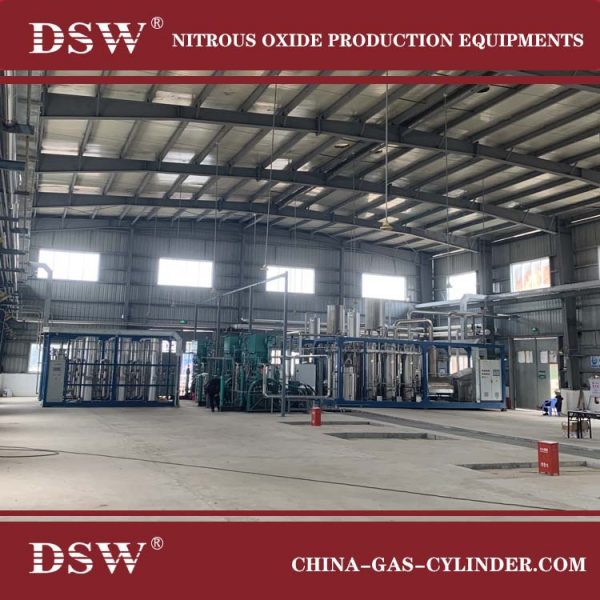
With experience in cryogenic equipment manufacturing, BluNet provides stainless steel cryogenic vessels for industrial gas, medical, laboratory, research, food processing, and other specialty applications. Our manufacturing process covers vessel fabrication, vacuum insulation, piping and valve integration, testing, and final inspection.
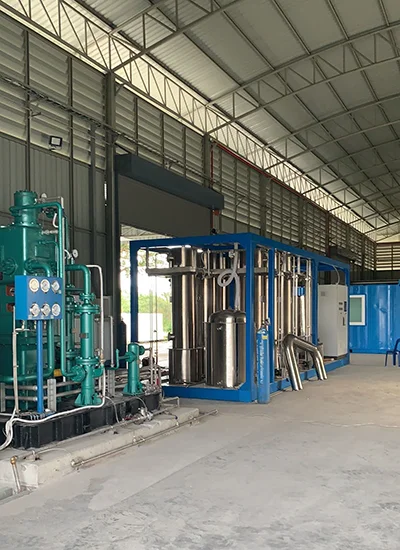
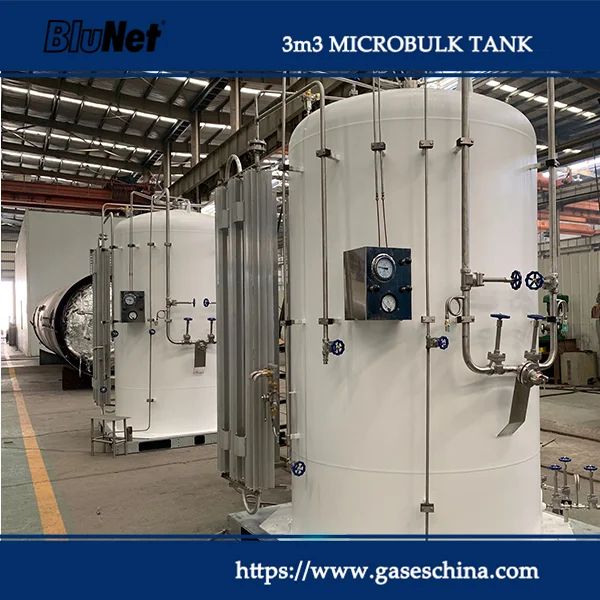
For larger-volume applications, BluNet also provides cryogenic storage solutions and related equipment for the storage and supply of cryogenic fluids.
What Is a Cryogenic Dewar?
A cryogenic dewar is an insulated vessel designed to store liquefied gases at extremely low temperatures. Unlike conventional storage vessels, a vacuum-insulated dewar typically uses double-wall construction with a vacuum space and thermal insulation to reduce heat transfer from the surrounding environment.
Cryogenic dewars are commonly used for fluids such as LN₂, LOX, and LAr. Their design can include an inner vessel, outer jacket, vacuum insulation, multi-layer insulation (MLI), cryogenic valves, piping, filling connections, liquid outlets, and venting or pressure-control components.
The appropriate configuration depends on the stored fluid, required capacity, working pressure, expected holding time, application, connections, and applicable design or regulatory requirements.
Custom Cryogenic Dewar Manufacturing Capabilities
As a cryogenic dewar manufacturer, BluNet provides engineering and manufacturing services for vacuum-insulated cryogenic storage vessels. Dewars can be configured according to the stored medium, required capacity, working pressure, insulation requirements, connection arrangement, and application environment.
- Custom cryogenic dewar design and engineering
- Stainless steel inner and outer vessel fabrication
- Vacuum insulation and multi-layer insulation (MLI) assembly
- Cryogenic piping and valve integration
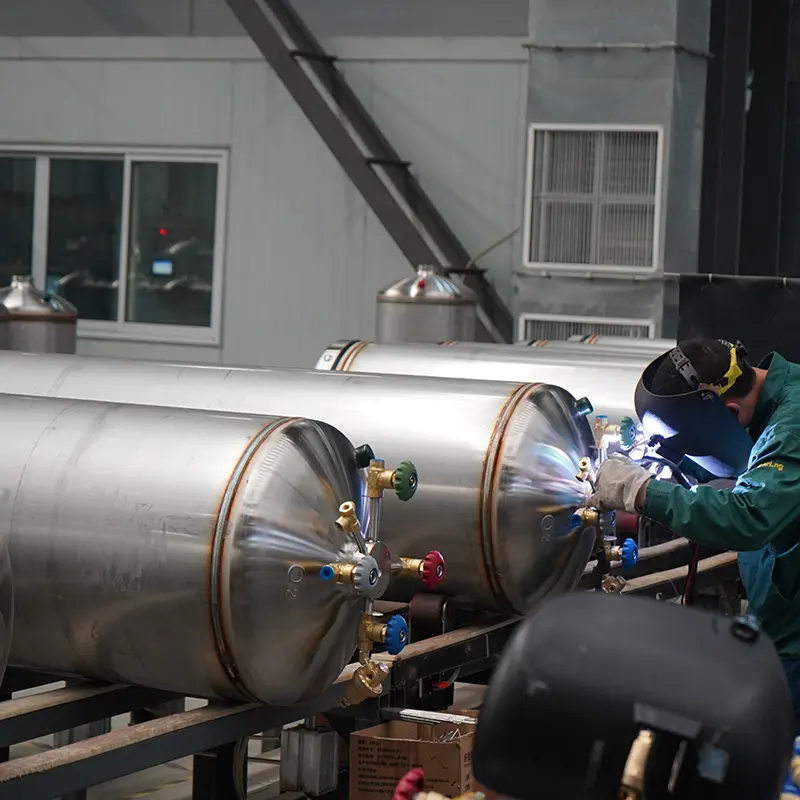
- Precision welding and vessel fabrication
- Pressure, vacuum, and leak testing
- OEM and project-specific manufacturing
Vacuum Insulated Dewar Design and Construction
A vacuum-insulated cryogenic dewar uses double-wall construction to reduce heat transfer between the stored cryogenic liquid and the surrounding environment. The inner vessel contains the cryogenic fluid, while the outer jacket provides structural protection and encloses the insulation space.
The vacuum space is an important part of the insulation system. Multi-layer insulation (MLI) can also be used to further reduce thermal radiation and improve insulation performance.
| Component | Function |
|---|---|
| Inner Vessel | Contains the cryogenic liquid under the specified temperature and pressure conditions. |
| Outer Jacket | Protects the inner vessel and forms the vacuum-insulated space around it. |
| Vacuum Space | Reduces heat transfer between the inner vessel and the surrounding environment. |
| Multi-Layer Insulation (MLI) | Provides additional thermal insulation and helps limit heat transfer. |
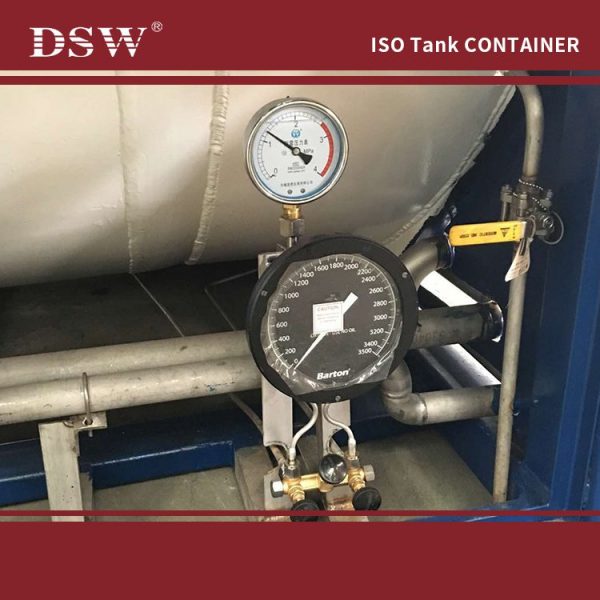
| Cryogenic Valves and Piping | Supports filling, liquid withdrawal, venting, and pressure-control functions. |
Cryogenic Dewar Manufacturing Process
BluNet follows controlled fabrication and inspection procedures for cryogenic dewars, covering material selection, vessel fabrication, welding, vacuum insulation, component integration, and final testing.
1. Material Selection
Cryogenic vessels require materials suitable for extremely low-temperature service. Depending on the design and application, stainless steel such as 304/304L or 316/316L may be selected for vessel construction based on material compatibility, corrosion resistance, mechanical properties, and applicable requirements.
2. Inner and Outer Vessel Fabrication
The inner vessel and outer jacket are fabricated according to the specified dimensions and design requirements. Dimensional control and proper assembly are important for maintaining vessel integrity and the required vacuum-insulated configuration.
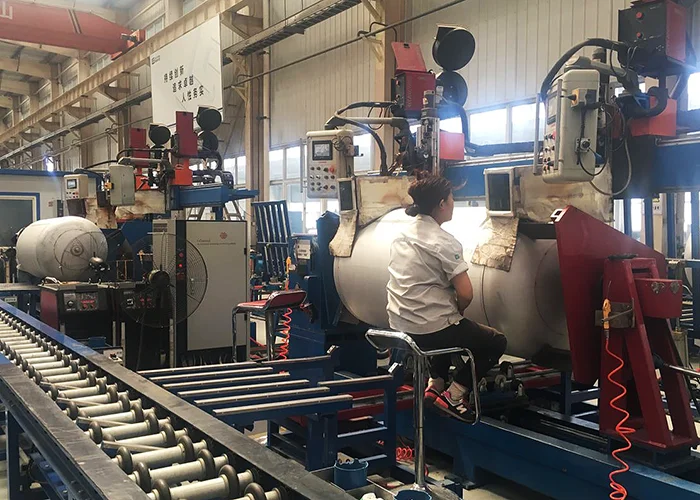
3. Welding and Assembly
Controlled welding and assembly processes are used to join vessel components and supporting structures. Welding quality is important for pressure integrity, structural reliability, and long-term cryogenic service.
4. Vacuum Insulation Processing
The vacuum insulation system is assembled and evacuated using controlled vacuum-processing procedures. Vacuum performance and leak testing help verify the integrity of the insulation system.
5. Piping and Valve Integration
Depending on the application, cryogenic valves, piping, filling connections, liquid outlets, venting components, and pressure-control components can be integrated into the dewar configuration.
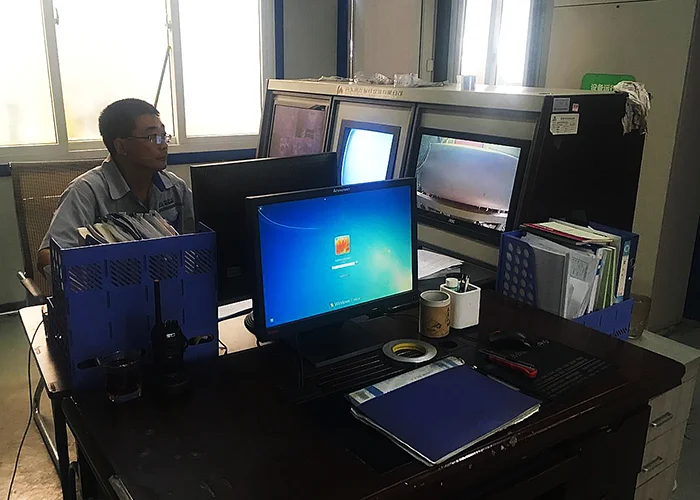
6. Testing and Inspection
Before shipment, the cryogenic dewar can undergo inspection and testing according to the applicable design and customer requirements. Depending on the project, this may include:
- Material and fabrication inspection
- Pressure testing
- Vacuum testing
- Helium leak testing
- Valve and piping inspection
- Final appearance and quality inspection
Types of Cryogenic Dewars We Manufacture
Cryogenic dewars can be specified according to the cryogenic fluid being stored and the application in which the vessel will be used. BluNet provides configurations for different liquefied gases and project requirements. Explore our dewar cylinders for available product configurations and specifications.
| Dewar Type | Typical Applications |
|---|---|
| Liquid Nitrogen Dewar | Laboratories, biological storage, industrial cooling, and other LN₂ applications. |
| Liquid Oxygen Dewar | Medical oxygen supply and other applications requiring liquid oxygen storage. |
| Liquid Argon Dewar | Welding, metal processing, industrial gas supply, and related applications. |
| Liquid CO₂ Dewar | Food and beverage processing, welding, industrial processes, and other applications requiring liquid carbon dioxide storage. |
| Laboratory Cryogenic Dewar | Research institutes, universities, laboratories, and scientific applications. |
| Custom Cryogenic Dewar | Project-specific cryogenic storage and OEM applications requiring a specified vessel configuration. |
Cryogenic Dewar Technical Specifications
| Parameter | Configuration |
|---|---|
| Storage Medium | Liquid nitrogen (LN₂), liquid oxygen (LOX), liquid argon (LAr), and other suitable cryogenic fluids. |
| Vessel Material | Stainless steel 304/304L or 316/316L, depending on the design and application requirements. |
| Insulation | Double-wall vacuum insulation with multi-layer insulation (MLI), where specified. |
| Operating Temperature | Specified according to the cryogenic fluid, vessel design, and operating conditions. |
| Capacity | Specified according to the required storage volume and application. |
| Working / Design Pressure | Specified according to the application, design conditions, and applicable pressure vessel requirements. |
| Connections | Configured for filling, liquid withdrawal, venting, pressure control, and system connection requirements. |
Applications of Cryogenic Dewars
Cryogenic storage dewars are used where liquefied gases must be stored and handled under controlled low-temperature conditions.
- Medical and Healthcare: Liquid oxygen storage, oxygen supply systems, biological sample preservation, and medical research.
- Industrial Gas: Storage and supply of nitrogen, oxygen, argon, and other cryogenic gases used in manufacturing processes.
- Laboratory and Research: Cryogenic sample preservation, low-temperature experiments, and scientific research.
- Food Processing: Cryogenic cooling and freezing applications.
- Specialty Industrial Applications: Project-specific applications requiring controlled storage and handling of cryogenic fluids.
Why Choose BluNet?
- Professional Manufacturing Experience: Experience in cryogenic equipment fabrication and industrial gas solutions.
- Customized Engineering: Dewars designed according to customer specifications and operating requirements.
- Reliable Vacuum Technology: Vacuum insulated structures designed for reduced heat transfer and lower boil-off rates.
- Strict Quality Control: Complete inspection procedures before delivery.
- Complete Cryogenic Solutions: Supply of cryogenic tanks, ISO tanks, vaporizers, pumps, and gas supply systems.
Cryogenic Dewar vs. Cryogenic Liquid Cylinder vs. Cryogenic Storage Tank
Cryogenic Dewars, cryogenic liquid cylinders, and cryogenic storage tanks are all vacuum-insulated vessels, but they are designed for different storage, transportation, and gas supply requirements. The main differences are their capacity, mobility, pressure configuration, and intended method of cryogenic liquid use.
| Feature | Cryogenic Dewar | Cryogenic Liquid Cylinder | Cryogenic Storage Tank |
|---|---|---|---|
| Main Purpose | Cryogenic liquid storage and short-term handling | Pressurized cryogenic liquid storage, transportation, and gas supply | Bulk cryogenic liquid storage and continuous gas supply |
| Typical Capacity | Small to medium capacity | Small to medium capacity | Medium to large capacity |
| Mobility | Portable or easily movable for flexible use | Designed for handling and transportation between supply and use points | Generally fixed installation at the point of use |
| Operating Characteristics | Vacuum-insulated storage with relatively simple liquid withdrawal | Vacuum-insulated pressure vessel with liquid and/or gas withdrawal capabilities | Vacuum-insulated pressure vessel designed for bulk storage and controlled distribution |
| Typical Applications | Laboratories, healthcare, research, food processing, and general cryogenic applications | Industrial gas distribution, healthcare, laboratories, welding, and on-site gas supply | Bulk gas storage, industrial gas supply systems, manufacturing plants, hospitals, and processing facilities |
| Typical Gas Service | LN₂, LOX, LAr, and other compatible cryogenic liquids | LN₂, LOX, LAr, CO₂, and other compatible cryogenic liquids | LN₂, LOX, LAr, LCO₂, LNG, and other compatible cryogenic liquids |
Note: Product configuration, capacity, operating pressure, insulation system, and applicable standards vary according to the cryogenic medium and intended application. A cryogenic Dewar is generally suited to portable or flexible cryogenic storage, while a cryogenic liquid cylinder is designed for pressurized storage and controlled liquid or gas withdrawal. Cryogenic storage tanks are typically used for larger-volume, stationary bulk storage and continuous gas supply.
International Standards & Certifications
Cryogenic storage dewars are pressure vessels designed to store liquefied gases at extremely low temperatures. To ensure safety, reliability, and international market compliance, BluNet manufactures cryogenic dewars according to recognized pressure vessel standards and customer certification requirements.
Our quality control system covers material selection, vessel fabrication, vacuum insulation processing, pressure testing, and final inspection to ensure each cryogenic dewar meets strict performance and safety requirements.
| Standard | Purpose |
|---|---|
| ASME Section VIII | Pressure vessel design, fabrication, inspection, and testing requirements for cryogenic vessels. |
| PED 2014/68/EU | European pressure equipment requirements for safe operation and market access within the EU. |
| EN 13458 | Requirements for static vacuum insulated cryogenic vessels used for storing liquefied gases. |
| ISO 21009 | International requirements for static vacuum insulated cryogenic vessels. |
| GB Standards | Chinese standards covering cryogenic vessel design, manufacturing, and inspection. |
Compliance with these international standards demonstrates that CNG cylinders have successfully passed comprehensive mechanical testing, pressure testing, fatigue evaluation, environmental assessment, and quality inspections, ensuring reliable performance throughout their service life.
Get Your Custom Cryogenic Dewar Solution!
Whether you need BluNet provides custom vacuum insulated cryogenic dewars for industrial gas, medical, laboratory, and research applications. Our team can help determine a suitable cryogenic dewar configuration for your application.
How to Select the Right Cryogenic Dewar
Selecting the appropriate cryogenic dewar depends on the stored cryogenic liquid, required storage capacity, operating conditions, application environment, and safety requirements. Choosing the correct dewar design helps ensure reliable cryogenic storage, lower evaporation losses, and long-term operational performance.
Key Selection Factors
- Stored medium (liquid nitrogen, liquid oxygen, liquid argon, or other cryogenic fluids)
- Required storage capacity and liquid holding time
- Working pressure and operating temperature requirements
- Vacuum insulation performance and expected boil-off rate
- Application type (laboratory, medical, industrial, or research use)
- Mobility requirements (portable dewar or fixed installation)
- Material selection and cryogenic compatibility (stainless steel 304/316)
- Valve, piping, and connection configuration requirements
- Applicable pressure vessel standards and certification requirements
- Environmental conditions and frequency of operation
Our engineering team can recommend the most suitable cryogenic dewar configuration based on your gas type, storage requirements, operating conditions, and project specifications. We provide customized vacuum insulated dewar solutions for industrial, medical, laboratory, and specialty cryogenic applications.
TECHNICAL FAQs
About Cryogenic Dewar Manufacturing
Cryogenic dewars are commonly used to store liquid nitrogen (LN₂), liquid oxygen (LOX), liquid argon (LAr), and other cryogenic fluids for industrial, medical, and laboratory applications.
A vacuum insulated cryogenic dewar uses a double-wall structure with a vacuum layer and insulation materials to reduce heat transfer and minimize cryogenic liquid loss.
Cryogenic dewars are usually made from stainless steel 304 or 316, which provides good strength, corrosion resistance, and reliable performance at extremely low temperatures.
Yes. BluNet manufactures customized cryogenic dewars according to customer requirements, including capacity, pressure rating, gas type, connections, and application conditions.
Cryogenic storage dewars can be manufactured according to international standards such as ASME Section VIII, PED, EN 13458, ISO 21009, and other applicable pressure vessel standards.
Before shipment, cryogenic dewars are tested through material inspection, welding inspection, pressure testing, vacuum testing, leak testing, and final quality checks.
A cryogenic dewar is mainly used for smaller and flexible storage needs, while a cryogenic storage tank is designed for larger-volume industrial gas storage and supply systems.
The right cryogenic dewar depends on the stored fluid, required capacity, working pressure, insulation performance, application, and operating environment.
Related Cryogenic Dewar and Tank Resources
More Technical Information about Cryogenic Dewar Manufacturing
Explore related information about cryogenic storage equipment, vessel manufacturing, and cryogenic fluid storage:
- Cryogenic Storage Solutions – Overview of cryogenic storage vessels and related equipment.
- Cryogenic Equipment Manufacturing – Learn more about BluNet’s manufacturing and engineering capabilities.
- Cryogenic Tanks Guide – Technical information about cryogenic storage tanks and vessel selection.