


Sulfur hexafluoride (SF₆) is widely used as an insulating and arc-quenching gas in high-voltage electrical equipment, including gas-insulated switchgear (GIS), circuit breakers and gas-insulated transmission lines. Its performance depends not only on gas purity but also on moisture content, air contamination, decomposition products and proper handling throughout the equipment lifecycle.
For buyers, utilities and electrical equipment manufacturers, understanding the applicable SF₆ gas standards is essential when specifying new gas, evaluating certificates of analysis (CoAs), purchasing recovered gas or managing gas used in electrical equipment. Different standards address different stages of the gas lifecycle, so they should not be treated as interchangeable.
This guide reviews the main international and Chinese standards for SF₆ gas quality, testing, reuse and handling, and explains how buyers can identify the requirements relevant to their applications.
1. Main International Standards for SF₆ Gas
International standards provide a common technical basis for specifying SF₆ gas quality, assessing recovered gas and controlling gas-handling operations. The most relevant IEC standards are IEC 60376, IEC 60480 and IEC 62271-4.
1.1 IEC 60376 – Technical-Grade SF₆ Gas
IEC 60376:2018, Specification of technical grade sulphur hexafluoride (SF₆) and complementary gases to be used in its mixtures for use in electrical equipment, defines quality requirements for technical-grade SF₆ intended for electrical applications.
The standard also covers complementary gases such as nitrogen (N₂) and carbon tetrafluoride (CF₄) when used in specified gas mixtures. It describes detection techniques applicable to laboratory analysis and portable on-site instruments before gases are introduced into electrical equipment.
IEC 60376 is particularly relevant when purchasing new SF₆ gas for electrical insulation and switching applications. Buyers can use it as a reference when preparing technical specifications and reviewing supplier test reports.
View IEC 60376:2018 on the IEC Webstore
1.2 IEC 60480 – Recovered and Reused SF₆ Gas
IEC 60480:2019, Specifications for the re-use of sulphur hexafluoride (SF₆) and its mixtures in electrical equipment, establishes criteria for evaluating SF₆ and specified gas mixtures after recovery and reclamation from electrical equipment.
Unlike IEC 60376, which addresses technical-grade gas supplied for electrical applications, IEC 60480 focuses on whether recovered gas is suitable for reuse. It considers the quality of SF₆ and mixtures such as SF₆/N₂ and SF₆/CF₄, with attention to contaminants and decomposition by-products.
The standard also provides information on analytical methods, decomposition by-products, potential health effects and reclamation recommendations. It is an important reference for utilities, maintenance contractors and operators managing recovered SF₆.
View IEC 60480:2019 on the IEC Webstore
1.3 IEC 62271-4 – Handling Procedures for Insulating and Switching Gases
IEC 62271-4:2022, High-voltage switchgear and controlgear – Part 4: Handling procedures for gases for insulation and/or switching, addresses the handling of gases used in electrical power equipment.
Its scope includes gas handling during installation, commissioning, repair, overhaul, normal and abnormal operation, and end-of-life disposal. The procedures are intended to support equipment reliability, personnel safety and environmental protection.
For SF₆ applications, this standard is relevant to gas recovery, filling, sampling, storage, transportation and maintenance procedures. Equipment manufacturers may also specify additional requirements in their operating instructions.
2. ASTM and IEEE Standards for SF₆ Applications
In addition to IEC publications, buyers may encounter ASTM and IEEE standards in North American projects, electrical equipment specifications and international procurement documents.
2.1 ASTM D2472 – Standard Specification for Sulfur Hexafluoride
ASTM D2472-26, Standard Specification for Sulfur Hexafluoride, covers SF₆ intended for use as an electrical insulating gas.
The specification addresses gas supplied for purchase and includes requirements relating to assay, water content, acidity or hydrolyzable fluorides, non-condensable gases and carbon tetrafluoride content.
An important distinction is that ASTM D2472 is intended for gas as purchased. Although some referenced test methods may also be useful when evaluating used gas, the specification should not be treated as a complete standard for determining whether recovered SF₆ is suitable for reuse.
For recovered gas, buyers and operators should also consider the applicable reuse criteria, such as IEC 60480, and the requirements of the electrical equipment manufacturer.
View the ASTM D2472 standard page and edition history
2.2 IEEE C37.122.3 – SF₆ Gas Handling for High-Voltage Equipment
IEEE C37.122.3-2024, IEEE Guide for Sulphur Hexafluoride (SF₆) Gas Handling for High-Voltage (over 1000 Vac) Equipment, provides guidance on managing SF₆ used in high-voltage electrical equipment.
Its coverage includes commissioning, recommissioning, gas topping-up, refilling, on-site quality checks, sampling, laboratory analysis, recovery, reclamation and recycling. It also addresses equipment and safety practices used during gas-handling operations.
IEEE C37.122.3 is a handling guide rather than a standalone product-purity specification. It is useful for utilities, maintenance teams and service providers responsible for SF₆ gas throughout the equipment lifecycle.
View IEEE C37.122.3-2024 on the IEEE Standards Association website
2.3 EN IEC Standards in European Markets
European buyers may refer to EN IEC adoptions of relevant IEC standards, including standards covering technical-grade SF₆, recovered gas and gas-handling procedures.
The applicable national adoption, edition and contractual requirements should be confirmed for each project. Buyers should not assume that every European country uses an identical national publication or edition.
3. Chinese National Standards for SF₆ Gas
China has several national and electrical-power industry standards covering industrial SF₆, electronic-grade SF₆, gas reuse, gas-quality supervision and purification. These standards are particularly relevant when purchasing SF₆ produced in China or working with Chinese electrical equipment manufacturers and utilities.
3.1 GB/T 12022-2025 – Industrial Sulphur Hexafluoride
GB/T 12022-2025, Industrial sulphur hexafluoride, is China’s national standard for industrial SF₆. It was published on August 29, 2025, and came into effect on March 1, 2026, replacing GB/T 12022-2014.
This standard is relevant to the quality requirements for industrial-grade SF₆ supplied for applicable industrial uses. Buyers sourcing industrial SF₆ from China should identify this edition in their procurement documents where it is the applicable requirement.
The specific grade, test items and acceptance limits should be checked against the full standard and the buyer’s application. A supplier’s general statement of compliance should not replace a batch-specific certificate of analysis.
Check GB/T 12022-2025 in China’s National Standards Information Public Service Platform
3.2 GB/T 18867-2025 – Electronic Gas: Sulphur Hexafluoride
GB/T 18867-2025, Electronic gas—Sulphur hexafluoride, covers SF₆ intended for electronic-industry applications. It was published on April 25, 2025, and came into effect on November 1, 2025, replacing GB/T 18867-2014.
Electronic-grade SF₆ is intended for applications with more demanding gas-quality and contamination-control requirements than many general industrial uses. Buyers should review the applicable grade, impurity limits, analytical methods and packaging requirements in the full standard.
Electronic-grade SF₆ should not automatically be treated as equivalent to technical-grade SF₆ for electrical equipment. The correct specification depends on the end use and the customer’s required standard.
Check GB/T 18867-2025 in the national standards database
3.3 GB/T 44653-2024 – On-Site Recycling and Reuse of SF₆ Gas
GB/T 44653-2024, Guide for on-site recycling and reuse of sulfur hexafluoride (SF₆) gas, provides guidance for the on-site recycling and reuse of SF₆ in electrical equipment.
The standard addresses the recycling process, including gas testing, recovery, purification and refilling. It is relevant to utilities and service providers seeking to reduce SF₆ emissions and reuse gas where its quality is suitable.
Published on September 29, 2024, the standard came into effect on January 1, 2025. It complements product-quality standards by addressing the management of SF₆ after it has been used in electrical equipment.
View GB/T 44653-2024 in the national standards database
3.4 DL/T 595-2025 – Gas Quality Supervision for SF₆ Electrical Equipment
DL/T 595-2025, Supervision Guide for Sulfur Hexafluoride Gas in Electrical Equipment, sets out basic principles for supervising the quality of SF₆ gas in electrical equipment.
It is relevant to electrical power equipment management, construction and operation organizations, and may also be used as a reference by equipment manufacturers and other related organizations.
Published on December 18, 2025, and effective from June 18, 2026, it replaces DL/T 595-2016. This is an equipment gas-supervision standard, not a general specification for all commercial SF₆ products.
Check DL/T 595-2025 in the national standards database
3.5 DL/T 1359-2025 – Analysis of Fault Gases in SF₆ Electrical Equipment
DL/T 1359-2025 specifies methods for analyzing and evaluating characteristic fault gases in SF₆ electrical equipment.
It applies to the analysis of fault-related gases in equipment such as SF₆ circuit breakers, gas-insulated switchgear (GIS) and instrument transformers. The results can help operators assess abnormal conditions and investigate possible internal equipment faults.
The standard was published on December 18, 2025, and came into effect on June 18, 2026, replacing DL/T 1359-2014. It concerns fault-gas analysis in operating equipment rather than routine acceptance testing of newly supplied SF₆.
View the DL/T 1359-2025 standard record
3.6 DL/T 1553-2025 – SF₆ Gas Purification Procedures
DL/T 1553-2025 covers technical requirements and working procedures for the recovery, refilling and purification of SF₆ gas in electrical equipment.
Its scope includes the use of fixed and mobile purification systems. It is relevant to service providers and maintenance teams involved in recovering used gas, treating contaminated gas and preparing suitable gas for reuse.
The standard was published on December 18, 2025, and came into effect on June 18, 2026, replacing DL/T 1553-2016.
View the DL/T 1553-2025 standard record
3.7 GB/T 8905-2012 – Management and Testing of SF₆ in Electrical Equipment
GB/T 8905-2012, Guidelines for the Management and Measurement of SF₆ Gas in Electrical Equipment, is an existing Chinese national standard covering gas management and measurement in electrical equipment.
A revision project has been initiated, but a revision project should not be confused with a published and implemented replacement standard. Buyers should check the official national standards database for the current status before specifying a newer edition.
Check the GB/T 8905 revision project and current standard status
4. Comparison of Major SF₆ Standards
The following table summarizes the main purpose of each standard. It helps distinguish product-quality specifications from standards for recovered gas, equipment operation and gas handling.
| Standard | Main Application | Primary Focus |
|---|---|---|
| IEC 60376:2018 | New technical-grade SF₆ | Gas quality and detection methods before use |
| IEC 60480:2019 | Recovered and reclaimed SF₆ | Criteria for reuse in electrical equipment |
| IEC 62271-4:2022 | Electrical equipment gas handling | Handling procedures, safety and environmental protection |
| ASTM D2472-26 | Purchased SF₆ for electrical insulation | Product specification and relevant test requirements |
| IEEE C37.122.3-2024 | High-voltage electrical equipment | Recovery, reclamation, testing and handling guidance |
| GB/T 12022-2025 | Industrial SF₆ in China | Industrial product quality |
| GB/T 18867-2025 | Electronic-grade SF₆ in China | Electronic gas quality requirements |
| GB/T 44653-2024 | On-site SF₆ recycling and reuse | Testing, recovery, purification and refilling |
| DL/T 595-2025 | SF₆ electrical equipment | Gas-quality supervision |
| DL/T 1359-2025 | SF₆ electrical equipment | Fault-gas analysis and evaluation |
| DL/T 1553-2025 | SF₆ gas treatment | Recovery, refilling and purification procedures |
Note: Always confirm the applicable edition, national adoption and contractual requirements. This table summarizes the general scope of each standard and does not replace the full standard text.
5. Key SF₆ Gas Quality Parameters
When purchasing SF₆ for electrical applications, buyers should evaluate more than the stated gas purity. Several quality parameters can affect insulation performance, equipment reliability and the suitability of the gas for its intended use.
5.1 SF₆ Purity
Purity indicates the proportion of SF₆ in the gas sample. Lower purity may indicate the presence of air, nitrogen, carbon tetrafluoride or other contaminants. The required purity level depends on the applicable product standard, gas grade and equipment specification.
For a more detailed explanation of purity grades, impurity limits and certificate requirements, see our guide to SF₆ gas purity, grades and testing.
5.2 Moisture Content
Moisture is an important parameter in electrical SF₆ applications. Excessive water content can contribute to condensation under certain operating conditions and may affect insulation performance. Moisture is commonly reported in ppm by volume or other units specified by the applicable test method.
5.3 Acidity and Hydrolyzable Fluorides
Acidic contaminants and hydrolyzable fluorides are important quality considerations. They may be associated with moisture contamination, chemical reactions or gas degradation. Applicable standards specify the relevant test methods and acceptance requirements.
5.4 Air and Other Non-Condensable Gases
Air and other non-condensable gases can affect the composition and performance of SF₆ used in electrical equipment. Their presence should be assessed using the test methods and limits specified by the applicable standard.
5.5 Decomposition Products
SF₆ can produce decomposition by-products under electrical discharge, arcing or other abnormal operating conditions. Depending on the equipment and operating history, relevant compounds may include sulfur dioxide (SO₂), sulfur oxyfluorides and other sulfur- or fluorine-containing compounds.
The evaluation of decomposition products is particularly important when inspecting used gas or investigating equipment faults. New-gas product specifications alone are not sufficient to assess the condition of SF₆ recovered from operating equipment.
6. SF₆ Gas Testing and Certificate of Analysis (CoA)
A Certificate of Analysis (CoA) provides documented test results for a specific gas batch. It helps buyers verify whether the supplied SF₆ meets the agreed technical specification.
Depending on the grade and applicable standard, a CoA may include:
- SF₆ purity or assay
- Moisture or water content
- Acidity or hydrolyzable fluoride content
- Air or non-condensable gas content
- Carbon tetrafluoride (CF₄), where specified
- Other specified impurities or test results
When reviewing a CoA, buyers should check the following information:
- Product identification: Confirm that the gas grade and product description match the purchase order.
- Batch or lot number: Ensure the test report can be traced to the supplied cylinders or containers.
- Test methods: Check that the methods are appropriate for the specified standard and measured parameters.
- Units: Confirm that the reported units are clear and consistent with the acceptance limits.
- Test date: Review when the sample was tested and whether the report relates to the supplied batch.
- Acceptance criteria: Compare each result with the agreed specification rather than relying only on a general purity statement.
For critical electrical applications, buyers may also specify independent third-party testing, sampling procedures or additional quality documentation in the purchase contract.
7. How to Select the Right SF₆ Standard When Purchasing
The correct standard depends on the intended application and whether the gas is new, recovered or already in service. Buyers should identify the gas category before preparing a technical specification.
For New SF₆ Used in Electrical Equipment
For new technical-grade SF₆, IEC 60376 is a key international reference. ASTM D2472 may also be specified by buyers using ASTM-based procurement requirements. The purchase order should clearly identify the required standard and edition.
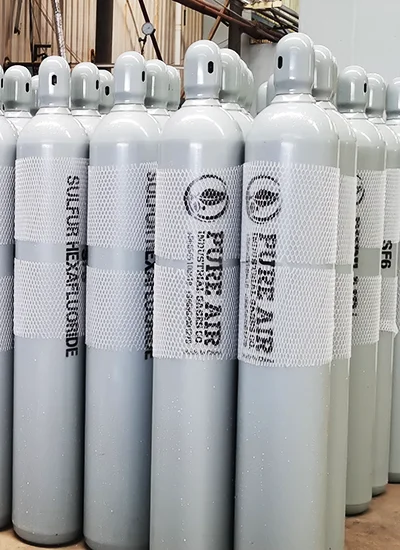
If you are sourcing SF₆ for electrical insulation, switchgear or GIS applications, explore our
SF₆ gas supply for electrical applications.
For Recovered or Reclaimed SF₆
Recovered gas should be evaluated against reuse criteria, such as those in IEC 60480, together with the equipment manufacturer’s requirements. A CoA for newly manufactured SF₆ does not establish that used gas is suitable for reuse.
For SF₆ Gas Used in Electronic Applications
Electronic applications may require a dedicated electronic-grade specification, such as GB/T 18867-2025 for the relevant Chinese market. Buyers should define the required grade and impurity limits according to their process and equipment requirements.
For Equipment Maintenance and Gas Recovery
For maintenance, recovery and gas-treatment operations, relevant handling and reuse standards include IEC 62271-4, IEEE C37.122.3 and the applicable national or industry procedures. These documents address operational practices rather than simply defining the quality of newly purchased gas.
Looking for a Reliable SF6 Gas Supplier ?
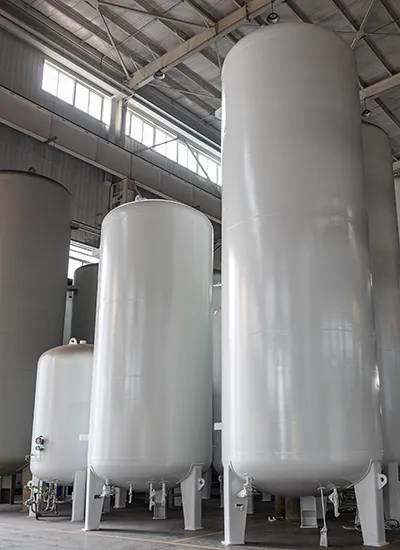
Whether you need bulk storage, transport, or on-site supply,
9. Conclusion: Match SF₆ Gas Quality to the Correct Standard
Selecting SF₆ gas requires more than checking its stated purity. Buyers should identify whether they need new technical-grade gas, electronic-grade gas or recovered gas for reuse, and then apply the appropriate product, testing or handling standard.
IEC 60376, IEC 60480 and IEC 62271-4 provide important international references for gas quality, reuse and handling. ASTM D2472 and IEEE C37.122.3 provide additional references for electrical insulating gas specifications and high-voltage equipment handling. China’s GB/T and DL/T standards provide further requirements for industrial gas, electronic gas, equipment supervision and gas recycling.
For international procurement, the most reliable approach is to specify the required standard and edition, define the acceptance criteria, and request a batch-specific Certificate of Analysis before shipment.
Discuss Your SF₆ Gas Requirements
BluNet supports industrial gas buyers with product information and supply coordination for a range of industrial and specialty gases. If your project requires SF₆ gas, share your intended application, required grade, applicable standard and packaging requirements so that the specification can be reviewed before ordering.
TECHNICAL FAQs
FAQ About SF₆ Gas Purity
A 99.99% purity claim means that the reported SF₆ fraction is 99.99% on the stated measurement basis. It does not, by itself, demonstrate compliance with every individual impurity limit or an electrical equipment standard.
Check the product and batch identification, measured SF₆ assay, moisture content, relevant impurity results, analytical methods, and acceptance criteria. Confirm that the results meet the agreed purchase specification.
The acceptable water content depends on the applicable gas specification, equipment requirements, and measurement basis. Confirm the relevant standard and manufacturer’s moisture limit before ordering, and ensure that the reported units are appropriate for comparison.
Not necessarily. A higher SF₆ assay can be beneficial, but suitability also depends on moisture, other impurities, gas composition, the intended application, and compliance with the agreed specification.
Discuss Your SF₆ Gas Specifications with BluNet
If you are sourcing SF₆ gas for electrical equipment or other industrial applications, share your required purity, moisture limit, intended use, packaging preference, and destination. BluNet can discuss the requested product configuration and technical documentation based on your purchasing requirements.

No comment