

Liquid nitrogen dewars are widely used in laboratories, IVF clinics, biobanks, and small-scale industrial applications. Selecting the correct dewar size is essential to reduce evaporation loss, minimize refill frequency, and ensure safe LN₂ storage.
Choosing the wrong size can lead to unnecessary costs, frequent refilling, and inefficient operation. This guide will help you determine whether a dewar is the right solution and how to select the appropriate size based on your actual usage.
When Should You Use a Dewar?
Before choosing a size, you need to confirm whether a dewar is the right solution for your application.
Liquid nitrogen dewars are ideal when:
- Daily LN₂ consumption is below 200 liters
- You need portable or flexible storage
- Your application involves laboratories, IVF, or biological storage
- Continuous automated supply is not required
However, if your usage exceeds 200 liters per day or requires uninterrupted supply, a microbulk or cryogenic tank system may be more suitable.
Dewar vs Other LN₂ Storage Systems
Understanding the differences between cryogenic storage systems is critical for proper selection.
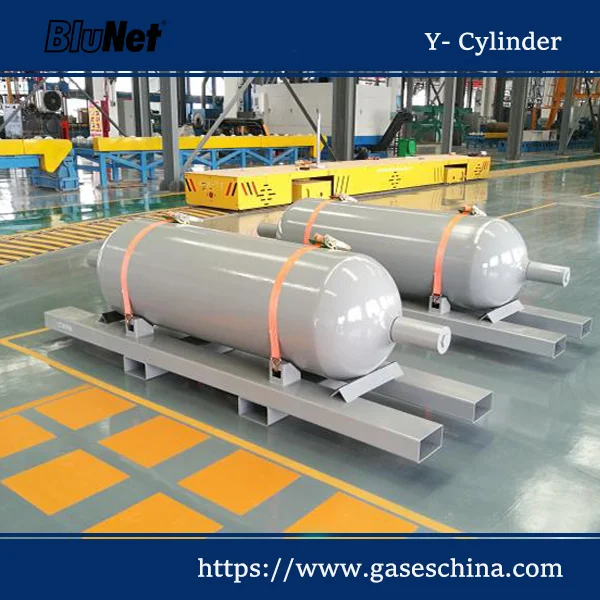
- Cylinders are suitable for very small usage but require frequent replacement.
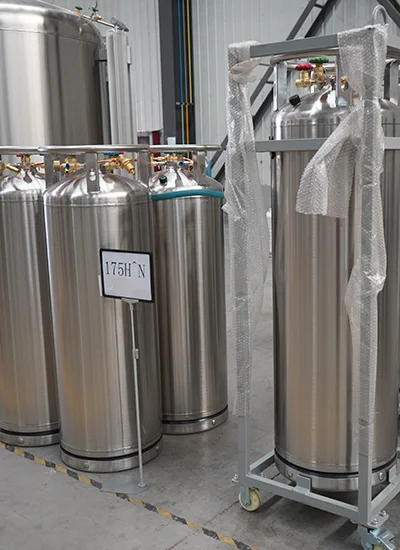
- Dewars are ideal for laboratory and medical applications but involve manual handling.
- Microbulk systems are designed for medium consumption with improved efficiency but higher initial cost.
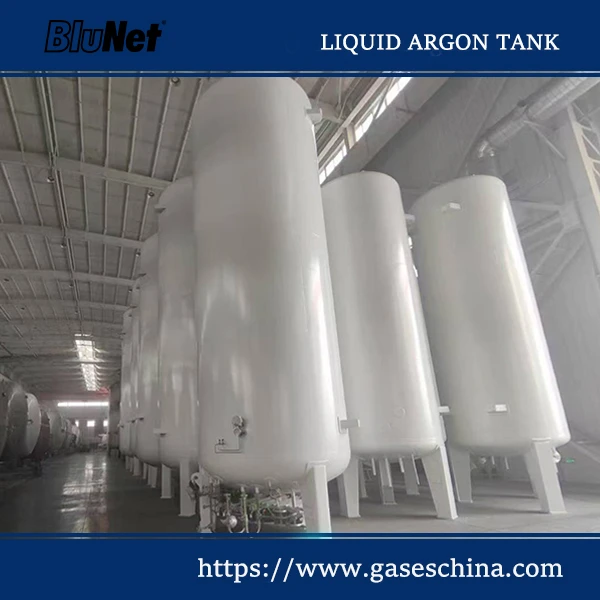
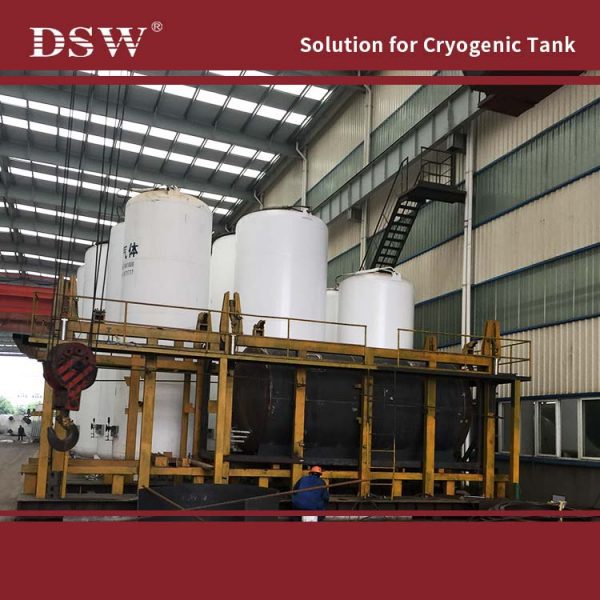
- Cryogenic tanks are used in large-scale industrial applications but are not portable.
Choosing the wrong system often leads to higher long-term costs than selecting the wrong size.
What Is a Liquid Nitrogen Dewar?
A liquid nitrogen dewar is a vacuum-insulated cryogenic container designed to store LN₂ at -196°C (-320°F). It minimizes heat transfer and allows safe storage and handling of ultra-low temperature liquids.
How Liquid Nitrogen Dewars Work
Liquid nitrogen dewars maintain low temperatures through three key technologies:
- Vacuum insulation eliminates heat transfer through conduction and convection by using a double-wall structure.
- Multi-layer insulation reduces radiant heat transfer by more than 99% using reflective materials.
- Cryogenic sealing ensures minimal nitrogen loss during handling and operation, even at extremely low temperatures.
Dewar Size Selection (Key Step)
Step 1: Calculate Usage
The basic rule for sizing is:
Required volume = Daily usage × Storage days
For example, if your daily usage is 40 liters and you want 7 days of storage, you need approximately 280 liters.
Step 2: Add Safety Buffer
To avoid shortages and reduce refill frequency, add 10–20% extra capacity to the calculated volume.
Step 3: Match to Dewar Size
Typical recommendations:
- 5–20 L/day → 20–50 L dewar
- 20–80 L/day → 50–100 L dewar
- 80–200 L/day → 100–210 L dewar
Capacity Range & Applications
Different dewar sizes are suited for different applications:
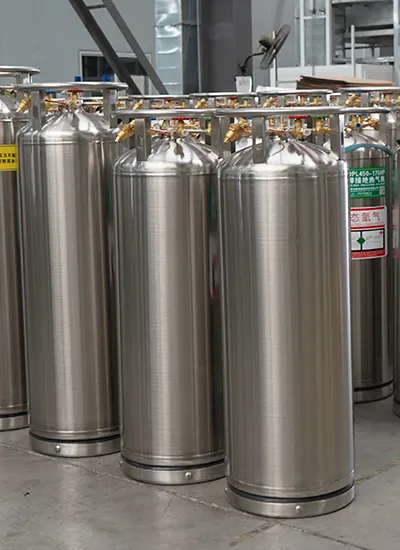
- 2–10 L: Veterinary use and field sampling
- 20–50 L: Clinics and small laboratories
- 100–210 L: IVF clinics and research laboratories
Types of Liquid Nitrogen Dewars
Storage dewars are designed for long-term storage with low evaporation rates and high thermal efficiency. They are commonly used in laboratories and biobanks.
Transport dewars are built with reinforced structures for safe mobility and short-distance transportation.
Self-pressurized dewars include built-in vaporization systems and are used in industrial applications requiring continuous liquid supply.
Vapor Phase vs Liquid Phase
Vapor phase dewars operate at temperatures between -150°C and -190°C and are ideal for preventing contamination, especially in biobanks.
Liquid phase dewars operate at -196°C and provide maximum cooling efficiency for general storage applications.
Key Factors for Choosing the Right Dewar
- Holding time determines how long LN₂ can be stored without refilling. Longer holding times reduce operational interruptions.
- Evaporation rate directly impacts cost efficiency. Lower evaporation means less nitrogen loss.
- Neck size affects usability and insulation. Wider necks allow easier access but increase evaporation, while narrower necks provide better insulation.
- Mobility requirements determine whether a portable or stationary dewar is needed.
Application-Based Recommendations
- Small laboratories typically require 30–50 L dewars
- IVF clinics usually use 100–210 L vapor phase dewars
- Biobanks often require larger storage systems or bulk tanks
- Livestock breeding applications commonly use 2–47 L portable dewars
When Should You Upgrade from a Dewar?
You should consider upgrading to a larger system if:
- Daily consumption exceeds 150–200 liters
- Frequent refilling disrupts operations
- Nitrogen loss becomes significant
- Continuous supply is required
In these situations, microbulk or cryogenic storage systems provide better efficiency and lower long-term costs.
Recommended LN₂ Dewar Solutions
Dewars provide a reliable and cost-effective solution for small to medium liquid nitrogen consumption. They offer safe storage, portability, and flexibility for laboratory and medical applications.
Need Help Choosing the Right Dewar?
To select the best solution, consider:
- Your daily LN₂ usage
- Required storage duration
- Application type
Providing this information allows engineers to recommend the most suitable dewar size or alternative system for your needs.
Safety Guidelines
- Never completely seal a liquid nitrogen container, as pressure buildup may cause an explosion.
- Always store dewars in well-ventilated areas to prevent oxygen displacement.
- Secure containers during transport to avoid tipping or damage.
- Monitor for frost buildup, which may indicate vacuum insulation failure.
How to Choose the Right Liquid Nitrogen Dewar?
Get a customized liquid nitrogen dewar solution tailored to your storage and operational needs.
Maintenance Best Practices
- Regularly inspect the vacuum integrity of the dewar.
- Avoid mechanical shocks that may damage insulation.
- Keep the neck opening clean and dry.
- Monitor liquid nitrogen levels consistently to ensure stable operation.
TECHNICAL FAQs
Liquid Nitrogen Dewar Sizing & Safety Guide
A liquid nitrogen dewar is suitable when daily LN2 consumption is below 200 liters, portability or flexible storage is required, and the application involves laboratories, IVF, or biological storage without the need for continuous automated supply.
The required dewar volume is calculated by multiplying daily liquid nitrogen usage by the number of storage days. A 10–20% safety buffer should be added to reduce refill frequency and avoid shortages.
Typical sizing recommendations are: 5–20 liters per day requires a 20–50 L dewar, 20–80 liters per day requires a 50–100 L dewar, and 80–200 liters per day requires a 100–210 L dewar.
Vapor phase dewars operate between -150°C and -190°C and help prevent contamination, making them suitable for biobanks. Liquid phase dewars operate at -196°C and provide maximum cooling efficiency for general storage.
The main types include storage dewars for long-term storage, transport dewars for mobility, and self-pressurized dewars for applications requiring continuous liquid supply.
You should upgrade when daily consumption exceeds 150–200 liters, refilling becomes too frequent, nitrogen loss increases significantly, or continuous supply is required.
Dewars should never be completely sealed, must be stored in well-ventilated areas, secured during transport, and monitored for frost buildup, which may indicate insulation failure.
Maintenance includes regularly inspecting vacuum integrity, avoiding mechanical shocks, keeping the neck opening clean and dry, and monitoring liquid nitrogen levels to ensure stable operation.

No comment