

What Is a Cryogenic Pump?
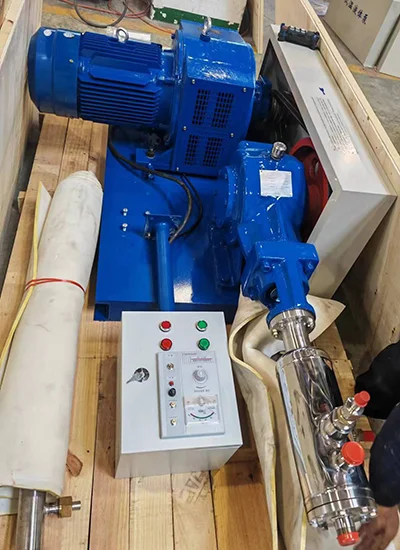
A cryogenic pump is a specialized device designed to transfer liquefied gases at extremely low temperatures, typically below -150°C. These include LNG, liquid nitrogen, oxygen, argon, and hydrogen.
Unlike conventional pumps, cryogenic pumps are engineered to handle thermal contraction, phase-change risks, and vacuum insulation requirements in extreme environments.
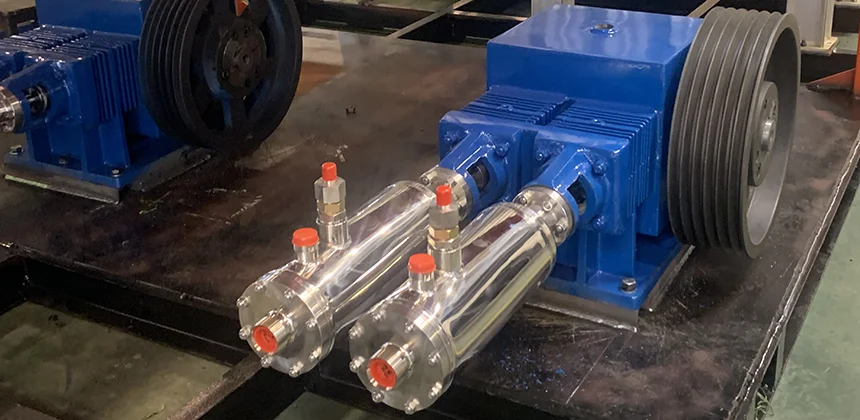
Cryogenic Pump Working Principle
The working principle of a cryogenic pump is based on converting mechanical energy into hydraulic energy to transport cryogenic liquids without vaporization.
Fundamental principle: Maintain stable liquid flow while increasing pressure under cryogenic conditions.
Pressure relationship:
P = F / A
Step-by-Step Working Process
Step 1: Suction of Cryogenic Liquid
Cryogenic liquid is drawn from a storage tank or vacuum-insulated pipeline.
Key requirement:
✔ Maintain inlet pressure above vapor pressure to avoid cavitation
Step 2: Pressure Generation
Centrifugal Mechanism
P = F / A
The impeller rotates at high speed, converting kinetic energy into pressure energy.
Reciprocating Mechanism
A piston compresses the liquid inside a sealed chamber, generating high discharge pressure via positive displacement.
Step 3: Discharge Phase
Pressurized cryogenic liquid is delivered to:
- Vaporizers
- Gas filling stations
- LNG fueling systems
- Industrial process pipelines
Step 4: Thermal Protection
Vacuum insulation and thermal barriers reduce heat ingress, preventing:
- Flash evaporation
- Pressure instability
- Efficiency loss
Types of Cryogenic Pumps
Centrifugal Cryogenic Pump
- High flow capacity
- Continuous operation
- Used in LNG terminals and air separation units
Reciprocating Cryogenic Pump
- High pressure output
- Precision flow control
- Used for cylinder filling and hydrogen systems
Submerged Cryogenic Pump
- Installed inside storage tanks
- Reduces cavitation risk
- Common in LNG fueling systems
Key Components
- Pump head: Impeller or piston system
- Cryogenic motor: External or submerged drive system
- Sealing system: Mechanical or magnetic seals
- Bearings: Self-lubricating low-temperature materials
- Vacuum insulation: Reduces thermal losses
Cavitation and NPSH
Cavitation is a major failure risk in cryogenic pumps caused by vapor bubble formation at low pressure.
NPSH = (Ps – Pv) / (ρg)
Where Ps = suction pressure, Pv = vapor pressure, ρ = density, g = gravitational acceleration.
Low NPSH can lead to vibration, efficiency loss, and mechanical damage.
Materials and Engineering Challenges
- Thermal contraction at ultra-low temperatures
- Seal leakage control
- Material embrittlement
- Ice formation and contamination risks
- Heat ingress management
Common materials include stainless steel 304/316, cryogenic alloys, PTFE seals, and carbon composite bearings.
Applications
- LNG transfer, storage, and vehicle fueling infrastructure
- Industrial cryogenic gas distribution systems (oxygen, nitrogen, argon)
- Hydrogen energy production, storage, and fueling applications
- Medical-grade oxygen supply and hospital gas delivery systems
- Aerospace and rocket propulsion fuel handling systems
Advantages and Limitations
Advantages
- Efficient cryogenic liquid transfer
- High-pressure capability
- Reduced product loss
- Continuous industrial operation
Limitations
- High engineering complexity
- Strict material requirements
- Cavitation sensitivity
- Higher maintenance requirements
Maintenance Guidelines
- Monitor vibration and performance trends
- Inspect seals and bearings regularly
- Check vacuum insulation integrity
- Perform leak detection testing
- Schedule preventive maintenance cycles
Future Trends
- Hydrogen-compatible pump systems
- IoT-based predictive maintenance
- Magnetic coupling seal technologies
- High-efficiency LNG transfer systems
TECHNICAL FAQs
Guide to Working Principle, Types
A cryogenic pump operates by converting mechanical energy into hydraulic energy to transfer liquefied gases such as LNG, nitrogen, or oxygen at ultra-low temperatures while maintaining stable pressure and preventing vaporization.
The main types of cryogenic pumps include centrifugal pumps for high-flow applications, reciprocating pumps for high-pressure systems, and submerged pumps designed to reduce cavitation and improve suction stability.
Cavitation occurs when the liquid pressure drops below its vapor pressure, causing vapor bubbles to form and collapse. This leads to vibration, efficiency loss, and potential mechanical damage in cryogenic pump systems.
Cryogenic pumps are used in LNG transfer systems, industrial gas production, hydrogen fueling stations, air separation units, medical oxygen supply, and aerospace propulsion systems requiring ultra-low temperature fluid handling.
NPSH (Net Positive Suction Head) represents the available suction pressure above the vapor pressure of the liquid. It is critical in cryogenic pump design to prevent cavitation and ensure stable operation.
)
No comment