

Liquid nitrogen can typically be stored in a cryogenic dewar for 50 to 150 days, depending on tank size, neck diameter, insulation performance, and usage conditions. This duration is known as the static holding time, measured when the dewar remains unopened.
What Affects Liquid Nitrogen Storage Time?
Cryogenic storage time depends on insulation quality, tank design, size, and handling, which affect evaporation rate.
1. Insulation Performance
High-quality liquid nitrogen dewars use vacuum insulation technology and durable aluminium alloy construction to minimise heat transfer and reduce evaporation rates.
2. Neck Diameter (Calibre)
The neck opening plays a critical role in evaporation. Smaller diameters reduce heat exchange with the surrounding environment, extending storage time.
3. Tank Capacity
Larger dewars generally offer longer holding times due to a more favourable surface-area-to-volume ratio.
4. Usage Conditions
Frequent opening increases nitrogen loss. For optimal performance, limit unnecessary access and maintain stable storage conditions.
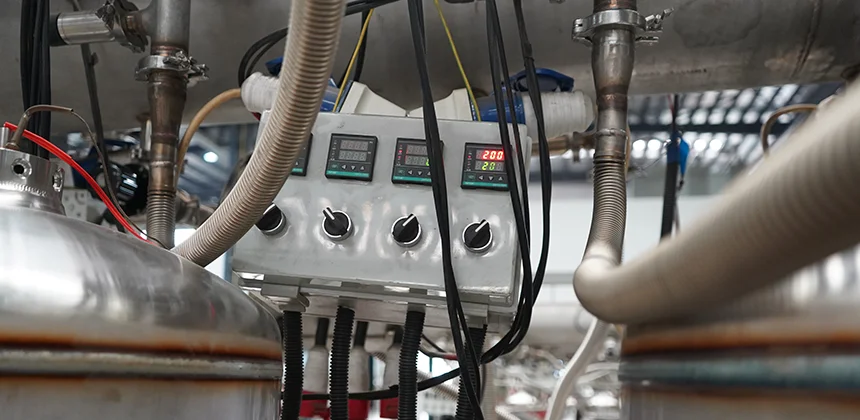
Typical Holding Time of Liquid Nitrogen Dewars
| Capacity | Neck Diameter | Daily Evaporation | Static Holding Time |
|---|---|---|---|
| 10L | 50mm | 0.09 kg/day | 100 days |
| 10L | 80mm | 0.15 kg/day | 56 days |
| 80L | 125mm | 0.59 kg/day | 135 days |
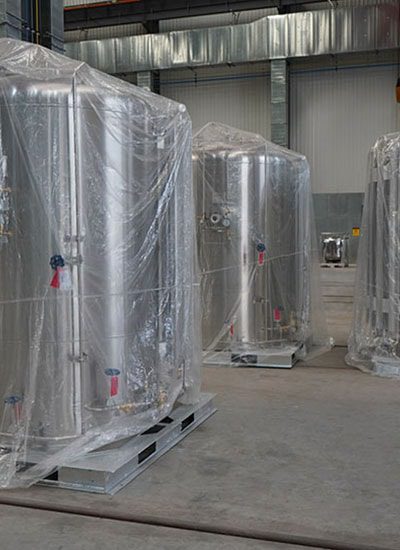
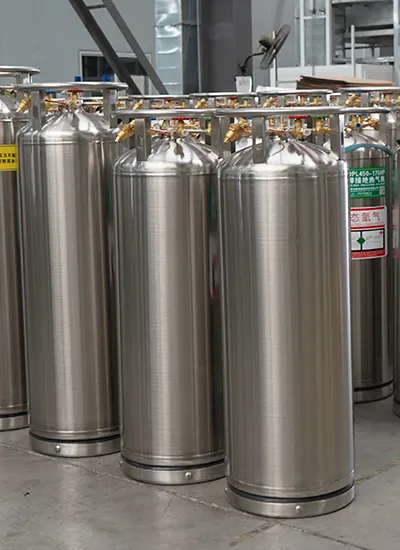
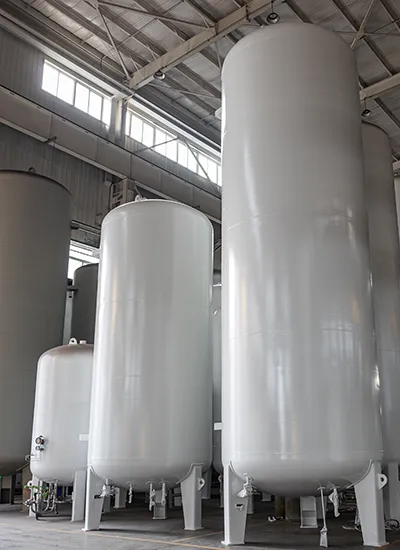
What Is Static Holding Time?
Static holding time refers to the duration liquid nitrogen can be stored in a dewar without opening it. This is a standard performance indicator used in cryogenic storage to evaluate evaporation efficiency.
How to Extend Liquid Nitrogen Storage Time
- Choose dewars with high vacuum insulation
- Select a smaller neck diameter when possible
- Minimise the frequency of opening the container
- Store in a cool, well-ventilated environment
Looking for a Reliable Bulk Storage or Transport Solution?
Whether you need bulk storage, transport, or on-site supply,
Conclusion
The storage duration of liquid nitrogen depends largely on dewar design, insulation quality, and handling practices. By selecting a high-performance cryogenic tank and following proper usage guidelines, you can significantly extend holding time and reduce nitrogen loss.
TECHNICAL FAQs
FAQs About Liquid Nitrogen Storage Time
Liquid nitrogen can typically be stored in a well-insulated dewar for 50 to 150 days. The exact duration depends on tank size, neck diameter, insulation quality, and usage conditions.
Static holding time refers to the duration liquid nitrogen can be stored in a dewar without opening it. It is a standard measure used to evaluate evaporation performance.
Key factors include insulation performance, neck diameter, tank capacity, and frequency of use. Smaller neck openings and high vacuum insulation reduce evaporation and extend storage time.
Evaporation rates vary by dewar design, but typical values range from 0.09 kg/day for small dewars to 0.59 kg/day for larger tanks. Better insulation results in lower evaporation rates.
To extend storage time, use dewars with high vacuum insulation, choose smaller neck diameters, minimise opening frequency, and store the tank in a cool, well-ventilated environment.
No, liquid nitrogen cannot be stored indefinitely. It continuously evaporates due to heat transfer from the environment, even in highly insulated dewars.

No comment