

Choosing the right cryogenic trailer manufacturer is essential for companies transporting liquefied gases over long distances. A properly engineered cryogenic liquid trailer helps maintain the required operating conditions while supporting safe handling, efficient unloading, and dependable distribution.
However, not every supplier offers the same equipment. Some specialize in vacuum-insulated liquid-gas semi-trailers, while others focus on cryogenic tanks, portable ISO containers, engineering services, or industrial gas equipment sourcing. This guide introduces ten companies worth evaluating and explains how to compare their products against your project requirements.
Editorial note: This is a supplier shortlist, not an independently verified ranking by market share, sales, or production capacity. Confirm current product availability, manufacturing responsibility, certifications, and delivery scope directly with each company before placing an order.
What Are Cryogenic Trailers?
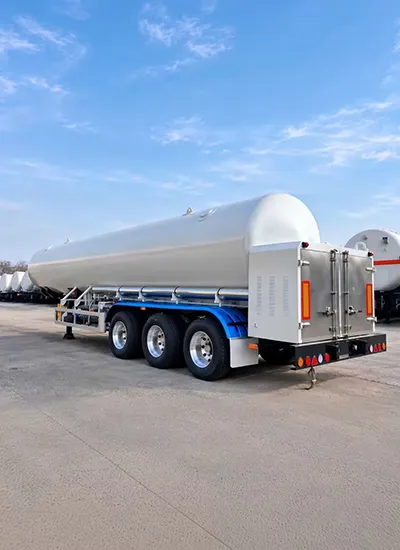
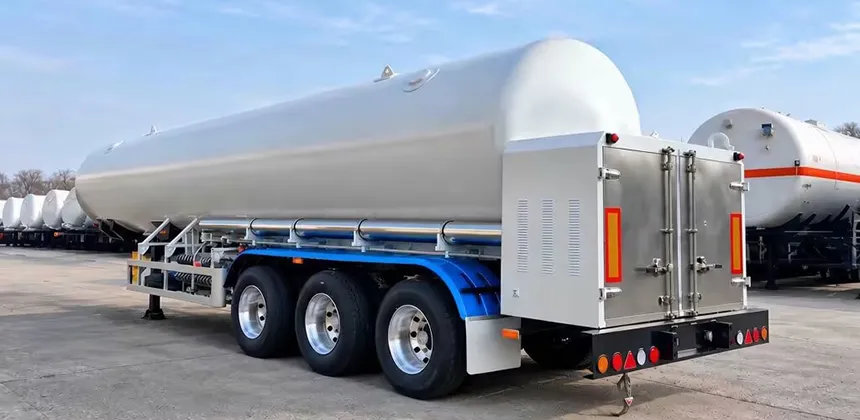
Cryogenic trailers are specialized road transport vehicles designed to carry liquefied gases at cryogenic temperatures or under the specified pressure and temperature conditions for the cargo. A typical cryogenic liquid semi-trailer incorporates an insulated tank system, a road chassis, piping, valves, instrumentation, and loading and unloading connections.
Depending on the design and intended service, these vehicles may transport liquid nitrogen (LIN), liquid oxygen (LOX), liquid argon (LAR), liquefied natural gas (LNG), liquid carbon dioxide (LCO₂), or other compatible products. The appropriate construction depends on the fluid’s properties, operating pressure, temperature, transport regulations, and unloading requirements.
A conventional cryogenic semi-trailer commonly uses an inner vessel and an outer jacket with vacuum insulation. Some designs incorporate additional insulation systems or other configurations according to the cargo and applicable requirements. Buyers should evaluate the complete engineered design rather than selecting a trailer based only on nominal capacity.
Explore our range of cryogenic tanker semi-trailers for bulk transportation of LNG, liquid nitrogen, liquid oxygen, and other compatible liquefied gases.
Cryogenic Trailer vs. Gas Tube Trailer
A cryogenic liquid trailer transports a liquefied product in a purpose-designed tank. A high-pressure gas tube trailer transports gas in multiple pressure vessels or tubes. Although both can be used in industrial gas distribution, they are different equipment categories and should not be treated as interchangeable.
For example, liquid hydrogen trailers and high-pressure gaseous hydrogen tube trailers have different storage principles, equipment arrangements, operating requirements, and approval considerations. Confirm that a prospective supplier offers the specific transport technology your project needs.
Top 10 Cryogenic Trailer Manufacturers and Suppliers to Evaluate
The following companies represent a starting point for supplier research. The list includes businesses with publicly documented cryogenic transport, road-tanker, or related equipment capabilities, alongside BluNet as a potential industrial gas equipment sourcing contact. Inclusion does not mean that every company manufactures every trailer type or serves every destination market.
1. Chart Industries
Company website: Chart Industries – Cryogenic Transport Trailers
Chart Industries has a documented portfolio of cryogenic transport equipment, including trailers and semi-trailers for the distribution of liquefied gases. Its transport offering covers multiple gas services and manufacturing regions, with configurations depending on the application and market.
For buyers comparing cryogenic trailer manufacturers, Chart is a relevant company to evaluate when the project requires an established cryogenic equipment portfolio and technical documentation for a specific liquid-gas service.
What to verify: The available trailer model, usable payload, tank configuration, destination-market approvals, delivery lead time, after-sales support, and whether the quoted configuration is manufactured in the region serving your project.
2. CIMC Enric
Company website: CIMC Enric
CIMC Enric is an industrial equipment and energy-equipment group associated with gas storage and transportation solutions. It is a company worth contacting when evaluating equipment for industrial gases and energy-related transport applications.
Buyers should identify the precise product division and trailer type required before comparing a quotation. A supplier’s wider portfolio in gas equipment does not, by itself, confirm that every cryogenic liquid trailer configuration is available for every market.
What to verify: The specific cryogenic liquid trailer model, design and manufacturing entity, applicable codes, rated capacity, insulation system, delivery scope, and local service arrangements.
3. FIBA Technologies
Company website: FIBA Technologies
FIBA Technologies supplies gas containment and transportation equipment. Its product range and technical capabilities make it a potential contact for projects involving specialized gas transport equipment. Buyers should distinguish the company’s cryogenic liquid transport offerings from its high-pressure gas equipment.
When requesting a proposal, specify whether you need a liquid nitrogen, liquid oxygen, liquid argon, LNG, or another type of cryogenic liquid trailer. Do not assume that a product intended for high-pressure gaseous service meets the requirements for cryogenic liquid transportation.
What to verify: The exact liquid service, trailer design, pressure and temperature limits, applicable transportation approvals, and the scope of manufacturing and maintenance support.
4. Cryeng Group
Company website: Cryeng Group
Cryeng Group provides engineered cryogenic equipment and services, including cryogenic tanks, portable ISO containers, road tankers, and engineering design services. Its engineer-to-order approach may be relevant for projects that require a defined technical scope rather than an off-the-shelf equipment package.
For a road transport project, clarify whether the required cryogenic semi-trailer is available as a complete vehicle, a tank assembly, or an engineered package requiring coordination with other suppliers.
What to verify: The complete supply boundary, road chassis responsibilities, tank design requirements, engineering deliverables, applicable standards, and project execution schedule.
5. Cryolor
Company website: Cryolor
Cryolor is a cryogenic equipment supplier to consider when researching equipment for industrial and liquefied-gas applications. Before including it in a final tender shortlist, buyers should confirm the current availability of the specific road tanker or cryogenic semi-trailer required.
A suitable comparison should cover the tank’s intended gas service, thermal performance requirements, operating pressure, unloading system, and the standards applicable in the country of operation.
What to verify: Current transport-equipment portfolio, manufacturing location, product-specific technical data, delivery destination, certification documentation, and service support.
6. INOX India (INOXCVA)
Company website: INOX India / INOXCVA
INOX India, also associated with the INOXCVA brand, works in cryogenic equipment and solutions. Its wider cryogenic capabilities make it a company to assess for projects involving liquid-gas storage and transportation equipment.
As with any shortlisted supplier, buyers should establish whether the requested product is a complete road-going cryogenic trailer, a transportable vessel, an ISO container, or another type of cryogenic system. These equipment categories have different design, approval, and operating requirements.
What to verify: Product availability for the required gas, transport configuration, tank capacity, chassis and running gear scope, destination-market compliance, and commissioning or after-sales arrangements.
7. Air Water
Company website: Air Water
Air Water is an industrial gas and related technology group with activities across gas supply and industrial applications. It may be relevant to buyers researching industrial gas logistics, supply systems, and regional equipment or service options.
However, buyers should not infer that a company’s industrial gas business automatically means it offers cryogenic semi-trailers for export. Confirm the responsible business unit and the exact equipment offering before treating it as a direct trailer manufacturer for a project.
What to verify: Whether the company offers the required transport equipment directly, the intended service market, the contracting entity, technical documentation, and the availability of support outside its core operating regions.
8. Karbonsan
Company website: Karbonsan
Karbonsan is a company to investigate for industrial gas and cryogenic equipment requirements. Its suitability for a particular cryogenic liquid trailer project should be established from current product documentation and a written technical response.
When comparing an international supplier, look beyond the quoted tank price. The final cost may also depend on the chassis, selected valves and instruments, safety accessories, testing, certification, freight, import duties, and the equipment needed at the receiving facility.
What to verify: The exact trailer configuration, intended gas service, available capacities, design pressure, insulation type, applicable standards, export experience for the destination market, and spare-parts support.
9. Wessington Cryogenics
Company website: Wessington Cryogenics
Wessington Cryogenics is associated with the design and manufacture of cryogenic vessels and equipment. It is worth evaluating for projects where cryogenic vessel engineering and a clearly defined technical specification are central to supplier selection.
Before requesting a commercial quotation for a cryogenic semi-trailer, confirm that the supplier can provide the complete road transport configuration needed for the intended route and jurisdiction. A cryogenic vessel manufacturer may have a different supply scope from a complete vehicle manufacturer.
What to verify: Complete vehicle availability, vessel and chassis responsibilities, approved gas service, road transport compliance, documentation, and maintenance support.
10. BluNet
Company website: BluNet – Industrial Gas Equipment
BluNet supplies industrial gas equipment and supports customers researching equipment for gas storage, handling, and supply projects. For buyers comparing cryogenic trailer suppliers, BluNet can be contacted to discuss project requirements and determine whether a suitable product or sourcing solution is available.
For transparency, BluNet should be evaluated according to the actual scope it can offer for the project. Buyers should confirm the original equipment manufacturer, manufacturing location, technical responsibility, applicable approvals, and whether the proposed scope includes a complete cryogenic semi-trailer or only selected equipment and sourcing coordination.
For broader company and capability information, visit BluNet’s manufacturing capabilities page. Use the enquiry process to provide the required gas, capacity, operating conditions, destination, and applicable standards so the available options can be assessed.
What to verify: The actual manufacturer, product-specific drawings and specifications, documentation, inspection arrangements, delivery terms, warranty scope, and after-sales responsibilities.
Cryogenic Trailer Supplier Comparison
The table below is a preliminary research aid, not a certification or ranking. It identifies the main reason to investigate each company and the most important question to resolve before shortlisting it for a purchase.
| Company | Reason to Evaluate | Key Verification Point |
|---|---|---|
| Chart Industries | Documented cryogenic transport trailer portfolio | Exact gas service, model, regional configuration, and approvals |
| CIMC Enric | Industrial gas and energy equipment background | Current model and responsible manufacturing entity |
| FIBA Technologies | Gas containment and transportation equipment | Confirm liquid cryogenic trailer versus high-pressure gas equipment |
| Cryeng Group | Engineered cryogenic equipment and road tanker offering | Complete vehicle versus vessel or engineered package |
| Cryolor | Cryogenic equipment supplier to investigate | Current road transport product range and market availability |
| INOX India / INOXCVA | Cryogenic equipment and solutions | Required transport format and complete supply scope |
| Air Water | Industrial gas and related technology activities | Direct availability of the required trailer in the target market |
| Karbonsan | Potential industrial gas equipment supplier | Specific model, design requirements, and approvals |
| Wessington Cryogenics | Cryogenic vessel engineering and equipment | Complete road-going trailer availability and certification scope |
| BluNet | Industrial gas equipment enquiry and sourcing discussion | Actual OEM, product availability, and contractual responsibilities |
How to use this table: Ask each candidate to provide a product-specific technical datasheet and a list of applicable approvals. Only compare prices after confirming that the quotations cover equivalent gas service, capacity, design conditions, vehicle configuration, documentation, and delivery scope.
Common Types of Cryogenic Liquid Trailers
The term cryogenic trailer covers multiple equipment configurations. Selecting the correct type starts with identifying the liquid being transported and the logistics requirements. For a broader overview of equipment configurations, explore our cryogenic transport solutions.
| Cryogenic Trailer Type | Typical Cargo | Semi-Trailer Configuration | Important Considerations |
|---|---|---|---|
| Liquid Nitrogen Trailer | Liquid nitrogen (LIN) | Vacuum-insulated tank mounted on a semi-trailer chassis, where applicable | Low-temperature service, insulation performance, pressure control, payload, and unloading arrangements |
| Liquid Oxygen Trailer | Liquid oxygen (LOX) | Oxygen-service tank mounted on a compatible semi-trailer chassis, where applicable | Oxygen-compatible materials, cleanliness requirements, valves, and fire-safety controls |
| Liquid Argon Trailer | Liquid argon (LAR) | Insulated cryogenic tank configured for semi-trailer transport, where applicable | Required payload, insulation performance, operating pressure, and unloading equipment |
| LNG Cryogenic Trailer | Liquefied natural gas (LNG) | Purpose-designed LNG tank and semi-trailer running gear, where applicable | Flammable-gas safety, vehicle and route regulations, pressure management, and unloading systems |
| Liquid CO₂ Transport Trailer | Liquid carbon dioxide (LCO₂) | Pressure-rated tank mounted on a suitable transport trailer or semi-trailer | Product-specific pressure and temperature conditions, pressure-vessel design, and delivery system |
| Liquid Hydrogen Trailer | Liquid hydrogen (LH₂) | Specialized cryogenic tank and compatible transport configuration, where available | Extremely low temperature, specialized insulation, compatible materials, and applicable approvals |
This overview is not a compatibility chart. Trailer availability and configuration depend on the gas, tank design, payload, operating conditions, and transport regulations. Confirm the proposed vehicle configuration and gas compatibility with the manufacturer before purchase. For LNG-specific equipment options, see our LNG tanker trailer.
Need a Reliable Cryogenic Transport Trailer Supplier?
BluNet helps you explore cryogenic trailer sourcing options for liquid nitrogen, oxygen, argon, LNG, and other industrial gases.
Key Components of a Cryogenic Semi-Trailer
A cryogenic semi-trailer is an integrated transport system. Its principal components and their specifications should be reviewed together.
- Inner vessel: Contains the liquefied product and must be designed for the intended fluid and operating conditions.
- Outer jacket and insulation: Form part of the thermal insulation system. Vacuum-insulated designs may use multilayer insulation or other specified arrangements.
- Chassis and running gear: Support the tank and must be appropriate for the vehicle’s gross weight, axle loads, road conditions, and destination regulations.
- Piping and valves: Provide the specified filling, discharge, venting, pressure-building, and other operating functions.
- Instrumentation: May include pressure gauges, level indication, temperature measurement, and other devices required by the approved design.
- Safety devices: Include pressure-relief and other protection equipment specified by the applicable design and regulatory requirements.
- Loading and unloading connections: Must match the customer’s transfer equipment, operating procedure, and connection standards.
Not all trailers use identical component arrangements. Ask for a general arrangement drawing, piping and instrumentation diagram where applicable, datasheet, and equipment list for the proposed model.
How to Select the Right Cryogenic Trailer Manufacturer
A suitable manufacturer must meet both the engineering requirements and the practical demands of your transport operation. Use the following checklist when evaluating quotations.
1. Confirm the Gas and Operating Conditions
Identify the exact cargo and provide the required operating and design conditions. State the normal operating pressure, design pressure where specified, temperature range, required payload, filling and unloading methods, and any relevant product purity or cleanliness requirements.
2. Specify Capacity and Payload Clearly
Tank water capacity, gross volume, usable liquid capacity, and payload are different measures. Ask suppliers to identify the basis for every capacity figure and confirm the expected payload under the intended operating conditions and applicable vehicle-weight limits. For stationary storage applications, explore our cryogenic storage tanks.
3. Review Insulation and Thermal Performance
Insulation design affects heat ingress, pressure behavior, product losses, and operating logistics. Request the manufacturer’s stated thermal performance or hold-time criteria and clarify the test conditions and assumptions behind any quoted figure. Avoid comparing different products using unsupported or inconsistent evaporation-rate claims.
4. Check Regulations for the Destination Market
Requirements vary by country, cargo, vehicle category, and route. Confirm which pressure-vessel, vehicle, transport, inspection, and documentation rules apply. A certificate issued for one jurisdiction should not be assumed valid in another.
5. Evaluate the Complete Cost
Compare the equipment price alongside transport, duties, inspections, commissioning, spare parts, maintenance, and expected service requirements. Check whether the quotation includes the tractor unit or only the semi-trailer, and identify any customer-supplied equipment or excluded services.
6. Confirm Warranty and After-Sales Support
Ask who will provide technical support, spare parts, repairs, inspections, and warranty service in the destination market. For imported equipment, confirm how service requests will be handled and whether local support partners are available.
Standards, Safety, and Technical Documentation
The correct compliance route depends on the cargo, tank design, vehicle type, and destination. Depending on the project, the relevant requirements may include pressure-vessel design codes, road-transport rules, hazardous-goods requirements, vehicle approvals, and inspection obligations.
Standards or regulatory frameworks that may be relevant in particular markets include ASME pressure-vessel requirements, ADR for applicable international road transport in Europe, and the relevant national pressure-vessel and vehicle rules. These references are examples, not a claim that one approval package covers every cryogenic trailer or destination.
Before issuing a purchase order, request and review the documentation applicable to the exact trailer model, such as:
- Technical datasheet and general arrangement drawing
- Tank design conditions and applicable design code
- Material specifications and traceability documents where required
- Pressure-relief device information and safety-system details
- Inspection, pressure-test, and acceptance-test records as applicable
- Vehicle registration, type approval, and transport documentation where required
- Operating, maintenance, and emergency instructions
- Warranty terms, spare-parts information, and service contacts
For hazardous or cryogenic cargoes, equipment selection and operation should be reviewed by qualified engineering and safety personnel. The final configuration must be approved for the intended gas, operating conditions, and jurisdiction. Explore our technical resources for additional industrial gas equipment information and guidance.
Sourcing Cryogenic Trailers Through BluNet
BluNet works in industrial gas equipment supply and can be contacted to discuss equipment requirements and potential sourcing options. For projects involving cryogenic trailers, the first step is to define the application and establish whether a suitable product and a clearly documented supply arrangement are available.
When enquiring, provide the following details:
- Gas to be transported: LIN, LOX, LAR, LNG, LCO₂, liquid hydrogen, or another specified product
- Required tank capacity and target payload
- Operating pressure and design conditions
- Preferred trailer configuration and connection requirements
- Country of operation and intended transport route
- Required codes, approvals, inspections, and documentation
- Target delivery schedule and requested commercial terms
BluNet should confirm the proposed original equipment manufacturer, manufacturing location, product-specific technical documentation, and responsibility for warranty and after-sales support before an order is placed. The availability of a particular cryogenic liquid trailer must be confirmed for each enquiry.
Explore BluNet’s manufacturing capabilities or visit the BluNet website to discuss your industrial gas equipment requirements.
TECHNICAL QUESTIONS
FAQs About Cryogenic Trailer Manufacturers
A cryogenic trailer is a specialized road transport system designed to carry liquefied gases under specified temperature and pressure conditions. It typically includes an insulated tank, chassis, piping, valves, instrumentation, and loading and unloading connections.
Companies worth evaluating for cryogenic transport equipment include Chart Industries, CIMC Enric, FIBA Technologies, Cryeng Group, Cryolor, INOX India (INOXCVA), Air Water, Karbonsan, and Wessington Cryogenics. BluNet can also be contacted to discuss industrial gas equipment sourcing options. Buyers should verify each company’s current product availability, manufacturing responsibility, certifications, and supply scope.
Depending on the engineered design and applicable approvals, cryogenic liquid trailers may transport liquid nitrogen, liquid oxygen, liquid argon, liquefied natural gas, liquid carbon dioxide, or liquid hydrogen. The trailer must be specifically designed and approved for the intended gas and operating conditions.
A cryogenic liquid trailer carries a liquefied product in a purpose-designed tank, while a high-pressure gas tube trailer transports compressed gas in multiple pressure vessels or tubes. They use different storage principles and have different equipment, operating, and approval requirements.
Evaluate the manufacturer’s experience with the intended gas service, tank capacity and payload, operating and design conditions, insulation performance, applicable transport regulations, technical documentation, delivery scope, warranty, and after-sales support. Confirm whether the quotation covers a complete semi-trailer or only the tank or selected equipment.
Requirements depend on the cargo, tank design, vehicle type, and destination market. They may include applicable pressure-vessel design codes, road-transport regulations, hazardous-goods requirements, vehicle approvals, and inspection documentation. Buyers should confirm the exact requirements for the intended gas and jurisdiction.
Provide the gas type, required tank capacity and payload, operating pressure and design conditions, preferred trailer configuration, loading and unloading connections, destination country, required standards and approvals, delivery schedule, and commercial terms.
Conclusion
Selecting a cryogenic trailer manufacturer requires more than comparing company names or initial prices. Buyers should verify that each supplier can provide the specific liquid-gas transport equipment, engineering documentation, approvals, delivery scope, and service support required for the project.
Chart Industries, CIMC Enric, FIBA Technologies, Cryeng Group, Cryolor, INOX India / INOXCVA, Air Water, Karbonsan, and Wessington Cryogenics are potential starting points for supplier research, but each company’s suitability must be confirmed against the required trailer specification. BluNet can also be contacted to discuss industrial gas equipment sourcing options and determine whether a suitable product and documented supply arrangement are available.
Planning a cryogenic liquid transport project? Define your gas service, capacity, operating conditions, destination, and regulatory requirements before requesting quotations. A complete and consistent specification is the best starting point for a meaningful technical and commercial comparison.
Discuss Your Cryogenic Transportation Requirements with BluNet
Choosing the right cryogenic trailer requires careful consideration of tank design, payload, insulation performance, regulatory compliance, and after-sales support.
Contact BluNet to discuss your project requirements and explore suitable cryogenic transportation equipment options.
)
No comment