

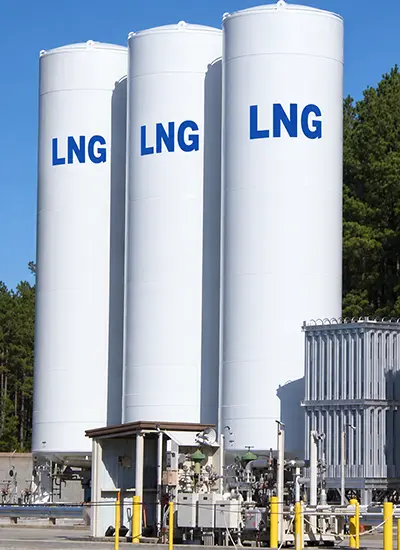
Liquid gas transport refers to the specialized logistics and engineering systems used for the safe movement of liquefied industrial gases such as LNG (liquefied natural gas), liquid nitrogen (LN₂), liquid oxygen (LOX), liquid argon, liquid carbon dioxide (LCO₂), helium, and hydrogen.

This field plays a critical role in the global energy supply chain and industrial gas distribution network, ensuring gases remain in stable cryogenic or high-pressure conditions during storage, loading, transportation, and unloading.

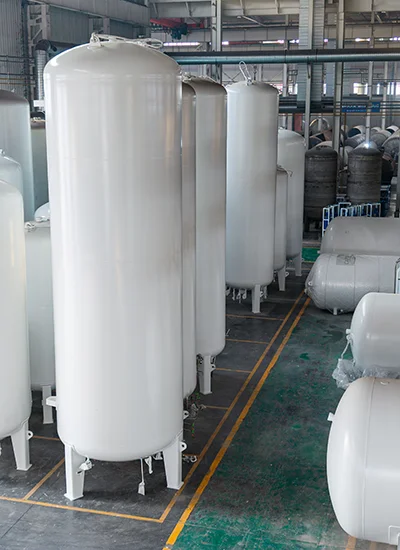
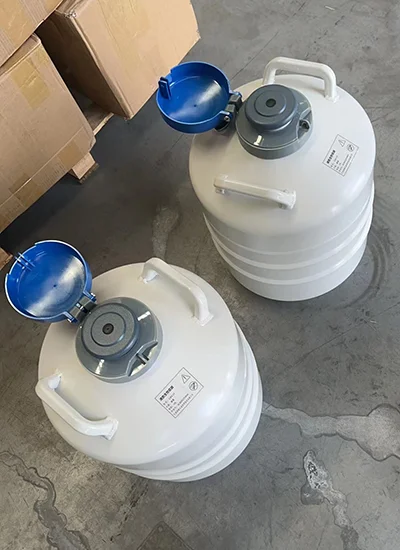
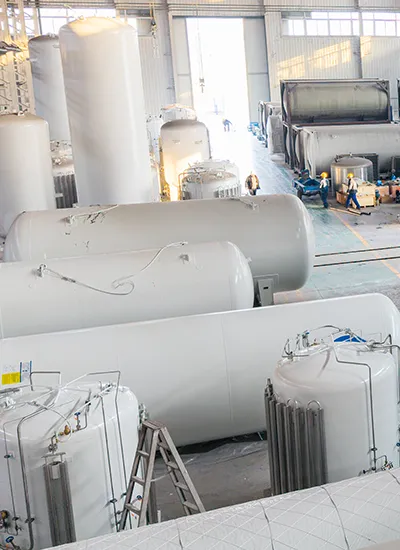
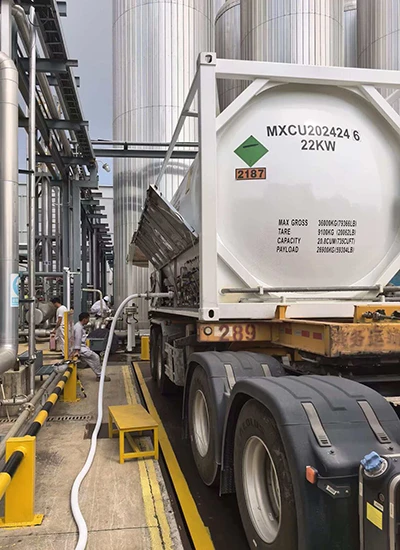
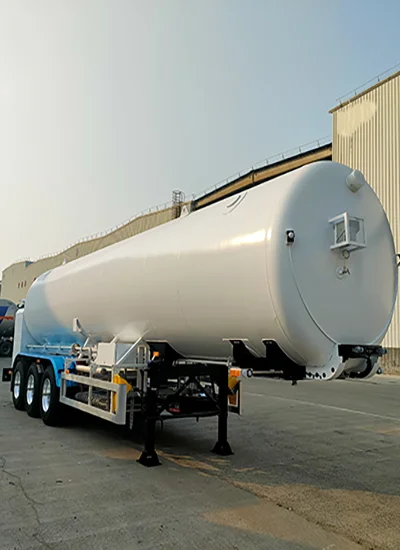
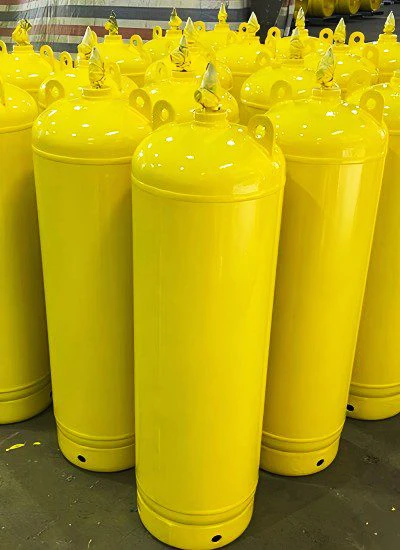
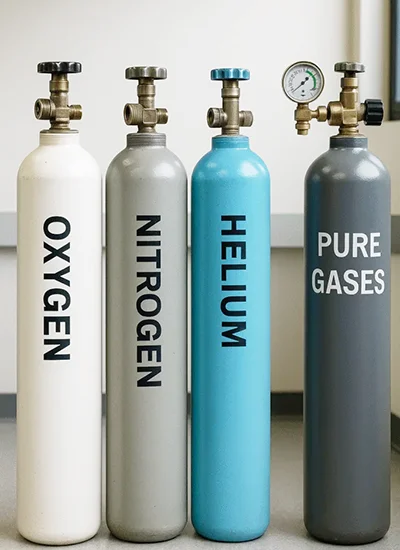
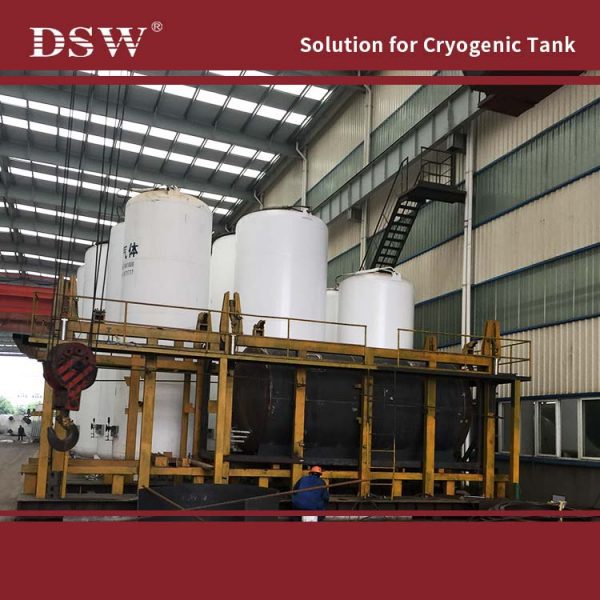
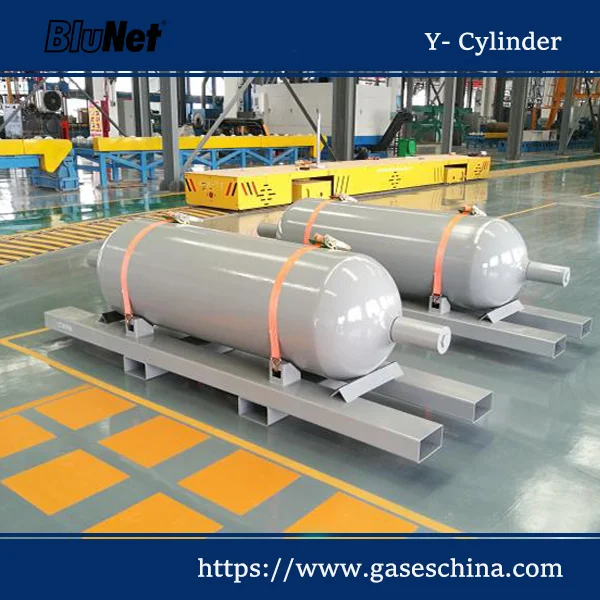
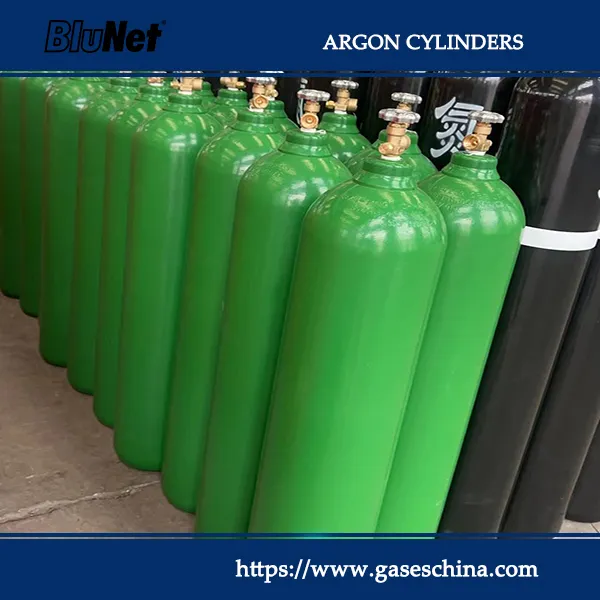
Key technologies include cryogenic ISO tank containers, vacuum-insulated storage tanks, road tankers, intermodal transport systems, and high-pressure gas cylinders designed to maintain product purity and safety.

Liquid gas transport is widely applied in industries such as energy and LNG infrastructure, medical oxygen supply, semiconductor manufacturing, metal processing, food freezing and packaging, aerospace, and scientific research.

Important considerations include cryogenic insulation performance, boil-off gas (BOG) control, pressure regulation systems, international safety standards (such as ADR, IMDG, and ISO), and efficient last-mile delivery solutions.

Modern liquid gas logistics focuses on improving efficiency, reducing emissions, and enhancing safety across the entire supply chain, supporting the growing global demand for clean energy and industrial gases.