

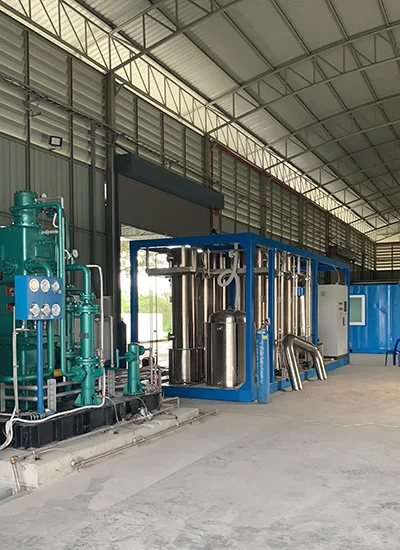
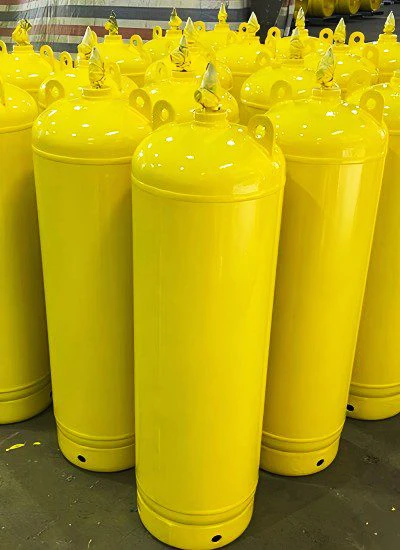
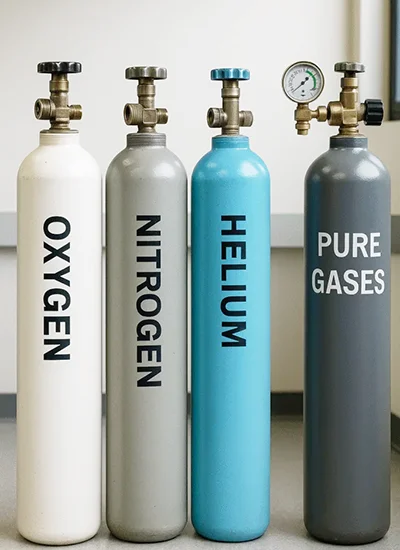

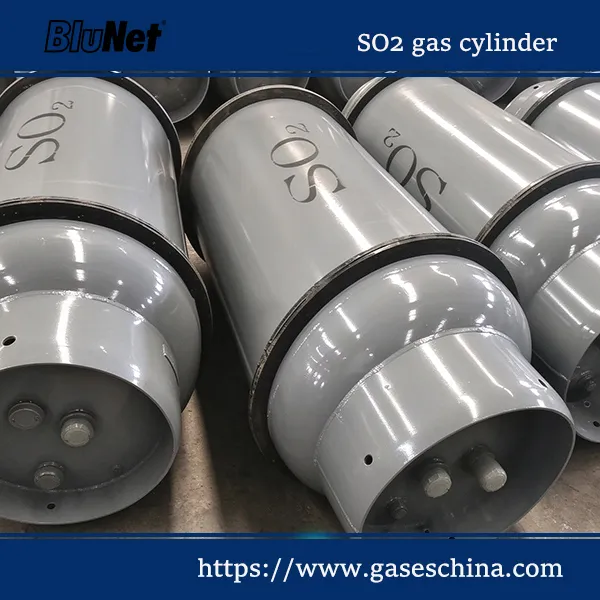
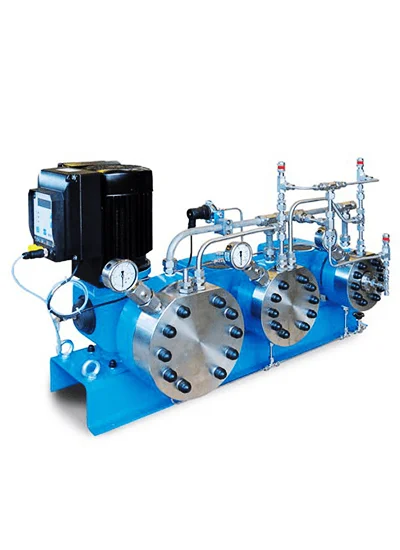
A diaphragm compressor is a positive-displacement gas compressor that uses a flexible diaphragm to compress gas. The diaphragm separates the process gas from the hydraulic or mechanical drive system, helping prevent contact between the gas and lubricating oil or other mechanical components.
Because of this separation, diaphragm compressors are widely used for high-purity, toxic, corrosive, reactive, flammable, and specialty gases where gas contamination and leakage must be carefully controlled. They can also be designed for high-pressure gas compression and gas filling applications.
Unlike a conventional piston compressor, the process gas in a diaphragm compressor is contained within a dedicated compression chamber and is compressed by the movement of the diaphragm. This design makes diaphragm compressors particularly useful when gas purity, low leakage, and reliable containment are important.
What Is a Diaphragm Compressor?
A diaphragm compressor, also called a diaphragm gas compressor, is a type of positive-displacement compressor in which a flexible diaphragm moves back and forth to reduce the volume of a gas chamber. As the chamber volume decreases, the pressure of the gas increases.
The diaphragm creates a physical barrier between the process gas and the hydraulic or mechanical components that drive the compressor. As a result, the gas does not normally come into direct contact with the piston, crankcase lubricant, or other lubricated moving parts.
This operating principle makes diaphragm compressors especially suitable for gases that require high purity or careful containment. Depending on the design, diaphragm compressors can be configured for different gas types, flow rates, pressure ranges, materials, cooling arrangements, and operating conditions.
For industrial applications, the term diaphragm gas compressor is generally more appropriate than describing the equipment simply as an air compressor, because diaphragm compressors are commonly used for a wide range of industrial and specialty gases.
How Does a Diaphragm Compressor Work?
The working principle of a diaphragm compressor is based on the controlled movement of a diaphragm inside a compression chamber. A typical hydraulic diaphragm compressor consists of a drive system, hydraulic system, diaphragm assembly, gas chamber, suction valve, and discharge valve.
The basic compression cycle can be understood in four steps:
1. Gas Enters the Compression Chamber
As the diaphragm moves away from the gas chamber, the available volume increases and the pressure inside the chamber decreases. When the chamber pressure falls below the inlet pressure, the suction valve opens and gas enters the compression chamber.
2. The Diaphragm Moves Toward the Gas Chamber
The drive mechanism moves a hydraulic piston, which changes the pressure of the hydraulic fluid behind the diaphragm. The hydraulic pressure causes the diaphragm to move toward the gas side of the compressor.
3. The Gas Is Compressed
As the diaphragm moves into the gas chamber, the chamber volume decreases. The reduction in volume increases the pressure of the process gas.
4. Compressed Gas Leaves the Chamber
When the gas pressure becomes higher than the pressure on the discharge side, the discharge valve opens. The compressed gas then flows out of the compression chamber. The cycle repeats as the diaphragm moves back and forth.
In a multi-stage diaphragm compressor, several compression stages can be used to achieve a higher final discharge pressure while managing temperature and compression ratios between stages.
How Does the Hydraulic System Drive the Diaphragm?
In a hydraulic diaphragm compressor, the drive motor rotates the crankshaft. The crankshaft and connecting mechanism move the hydraulic piston in a reciprocating motion.
The piston changes the pressure of the hydraulic fluid on the back side of the diaphragm. This hydraulic pressure moves the diaphragm forward and backward, producing the change in gas chamber volume required for compression.
The basic energy-transfer path can be summarized as:
Electric Motor → Crankshaft → Hydraulic Piston → Hydraulic Fluid → Diaphragm → Process Gas
The hydraulic system also helps control diaphragm movement and maintain the required operating conditions. Depending on the compressor design, hydraulic systems may include hydraulic valves, check valves, oil replenishing or compensation systems, pressure protection devices, and other control components.
The separation between the hydraulic side and the gas side is one of the most important characteristics of the diaphragm compressor design.
Main Components of a Diaphragm Compressor
Although the exact configuration varies according to the manufacturer and application, a hydraulic diaphragm compressor normally contains several key components.
1. Diaphragm
The diaphragm is the central component of the compressor. It forms the barrier between the process gas and the hydraulic system and moves back and forth during operation.
The diaphragm material and construction must be selected according to the gas, pressure, temperature, fatigue requirements, and operating conditions.
2. Hydraulic Piston
The hydraulic piston transfers mechanical movement into hydraulic pressure. Its reciprocating motion changes the pressure of the hydraulic fluid and causes the diaphragm to move.
3. Gas Compression Chamber
The gas chamber is the space where the process gas is drawn in and compressed. Its design, internal volume, materials, and sealing arrangement depend on the required gas service and operating pressure.
4. Suction and Discharge Check Valves
Check valves control the direction of gas flow through the compressor. The suction valve allows gas to enter the compression chamber, while the discharge valve allows compressed gas to leave the chamber.
5. Hydraulic System
The hydraulic system transfers pressure from the hydraulic piston to the diaphragm. It may include hydraulic fluid passages, valves, pressure-control components, and an oil compensation or replenishing system.
6. Crankshaft and Drive Mechanism
The crankshaft converts the rotary motion of the drive motor into reciprocating motion for the hydraulic piston. The design of the crankshaft, connecting mechanism, bearings, and related components depends on the compressor configuration.
7. Drive Motor
An electric motor or another suitable power source drives the compressor. Motor selection depends on the required compression capacity, operating pressure, duty cycle, and site conditions.
Why Is the Diaphragm Important?
The diaphragm is important because it provides a physical separation between the process gas and the compressor’s hydraulic or mechanical system.
In many gas compression applications, preventing contact between the process gas and lubricating oil is critical. Oil contamination can affect gas purity and may also create problems in downstream equipment or processes.
The diaphragm design therefore provides several important advantages:
- Separates the process gas from the lubricated mechanical system.
- Helps reduce the risk of oil contamination on the gas side.
- Supports high-purity gas compression applications.
- Can reduce direct contact between the gas and conventional piston components.
- Provides a controlled barrier for gases that require careful containment.
For these reasons, diaphragm compressors are commonly selected for applications where conventional lubricated compression may not provide the required gas purity or containment characteristics.
Advantages of Diaphragm Compressors
Diaphragm compressors offer several advantages compared with conventional compression technologies, particularly when gas purity and containment are important.
Oil-Free Compression on the Gas Side
Because the diaphragm separates the process gas from the hydraulic system, lubricating oil from the mechanical drive side is isolated from the gas stream. This makes diaphragm compressors suitable for applications where gas contamination must be minimized.
High Gas Purity
The separation between the gas chamber and the mechanical system makes diaphragm compressors well suited to high-purity gas applications. The actual achievable purity depends on the compressor materials, seals, valves, cleaning procedures, and operating conditions.
Low Risk of Cross-Contamination
The diaphragm creates a barrier between the gas and hydraulic systems. This can help reduce the possibility of process gas contamination by lubricants used in the mechanical drive system.
Suitable for Specialty and Difficult Gases
Diaphragm compressors can be engineered for a wide range of gases, including gases that are toxic, corrosive, reactive, expensive, or sensitive to contamination. Gas compatibility must always be evaluated during compressor selection.
High-Pressure Capability
Diaphragm compressors can be designed for high-pressure gas compression. The achievable pressure depends on the compressor design, number of stages, gas properties, cooling system, materials, and operating conditions.
Controlled Gas Containment
The diaphragm and associated sealing system help isolate the process gas from the mechanical drive system. This makes the technology useful in applications where leakage and gas containment are important design considerations.
What Gases Can a Diaphragm Compressor Compress?
Diaphragm compressors can be designed for many different industrial and specialty gases. However, the suitability of a particular compressor must be evaluated based on gas properties, materials compatibility, pressure, temperature, required flow rate, and purity requirements.
Common gas applications can include:
- Hydrogen for high-pressure hydrogen compression and filling systems.
- Oxygen where gas purity and material compatibility are important.
- Nitrogen for industrial and specialty gas applications.
- Helium where gas recovery and containment are important.
- Argon for industrial and specialty gas systems.
- Carbon dioxide for selected high-pressure applications.
- Carbon monoxide and other process gases when the compressor is specifically designed for the gas service.
- Specialty and electronic gases where contamination control is important.
Not every diaphragm compressor is suitable for every gas. The gas’s chemical properties, toxicity, flammability, oxidation characteristics, molecular weight, operating temperature, and compatibility with diaphragm and seal materials should be considered before selecting equipment.
Diaphragm Compressor Applications
Diaphragm compressors are used in applications where controlled gas compression, high purity, high pressure, or gas containment is important.
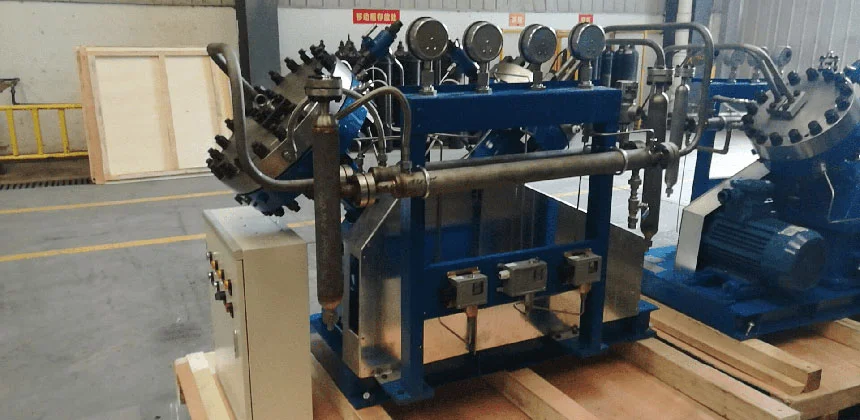
Hydrogen Compression
Hydrogen compression is one of the important applications for diaphragm compressor technology. Specialized systems can be designed for hydrogen filling, storage, recovery, and other high-pressure applications.
High-Purity Gas Compression
The separation between the process gas and lubricated mechanical components makes diaphragm compressors suitable for applications where contamination must be minimized.
Specialty Gas Filling
Diaphragm compressors can be used in gas filling systems for selected high-pressure and specialty gases. The compressor configuration should be matched to the gas, cylinder or storage system, required filling pressure, and filling rate.
Industrial Gas Processing
Diaphragm compressors can be integrated into industrial gas storage and supply systems where controlled compression and gas purity are required.
Gas Recovery
In suitable applications, diaphragm compressors can be used to recover and compress process gases that would otherwise be vented or lost. The compressor must be specifically designed for the gas and recovery conditions.
Chemical and Petrochemical Processes
Process gases used in chemical and petrochemical facilities may require specialized compression equipment. Diaphragm compressors can be considered when gas purity, chemical compatibility, and containment are important.
Diaphragm Compressor vs. Piston Compressor
Diaphragm compressors and conventional piston compressors are both positive-displacement machines, but their methods of compressing and containing gas are different.
| Feature | Diaphragm Compressor | Conventional Piston Compressor |
|---|---|---|
| Gas separation | Diaphragm separates gas from hydraulic/mechanical system | Gas is compressed directly by piston movement |
| Oil contamination risk | Very low on the process-gas side when properly designed | Depends on piston, rings, seals and lubrication design |
| Gas purity | Well suited to high-purity applications | Depends on compressor configuration |
| Specialty gases | Well suited when properly engineered | Suitable for many gases depending on design |
| High-pressure applications | Available in specialized high-pressure configurations | Also available for high-pressure applications |
| Typical priority | Purity, containment and specialty gas service | General-purpose gas compression and higher flow applications |
How to Select a Diaphragm Compressor
Choosing the correct diaphragm compressor requires more than specifying the required pressure. The compressor should be selected according to the complete gas service and operating conditions.
Gas Type
Identify the exact gas to be compressed and provide its composition and purity requirements. Gas compatibility is essential for selecting the diaphragm, seals, valves, and other wetted components.
Required Flow Rate
Specify the required gas flow rate under the actual operating conditions. Capacity requirements directly affect compressor size and configuration.
Inlet and Discharge Pressure
The suction pressure and required discharge pressure determine the compression ratio and may influence the number of compression stages required.
Gas Purity Requirements
If the application requires high-purity gas, the compressor materials, cleaning procedures, seals, valves, and manufacturing processes should all be considered.
Operating Temperature
Gas temperature, ambient conditions, compression heat, and cooling requirements should be evaluated when selecting the compressor.
Materials and Gas Compatibility
The diaphragm and all components that contact the process gas should be compatible with the gas under the expected pressure and temperature conditions.
Duty Cycle
Continuous-duty and intermittent applications can have different requirements. The compressor should be selected according to the expected operating hours, start-stop frequency, and required reliability.
Diaphragm Compressor Maintenance and Safety
Proper maintenance is important for reliable diaphragm compressor operation. The exact maintenance schedule should follow the manufacturer’s instructions and the requirements of the specific gas service.
Important maintenance areas can include:
- Inspection of the diaphragm and diaphragm assembly.
- Inspection and maintenance of suction and discharge valves.
- Checking hydraulic fluid condition and level.
- Inspection of hydraulic pressure and compensation systems.
- Checking seals and connections for leakage.
- Monitoring discharge temperature and operating pressure.
- Checking safety and pressure-relief devices.
- Following the recommended maintenance intervals for bearings, drive components, and other mechanical parts.
For oxygen, hydrogen, toxic gases, flammable gases, and other hazardous gases, the compressor must be designed, installed, operated, and maintained according to the applicable safety requirements and gas-specific procedures.
Diaphragm Compressor Solutions for Industrial Gas Applications
Selecting the right diaphragm compressor depends on the gas type, inlet pressure, required discharge pressure, flow rate, gas purity, operating temperature, and duty cycle.
DSW provides diaphragm compressor solutions for industrial and specialty gas applications. The appropriate compressor configuration can be selected according to the specific gas service and operating requirements.
Need a diaphragm compressor for your application? Contact us with your gas type, inlet pressure, discharge pressure, required flow rate, and operating conditions so the appropriate configuration can be evaluated.
TECHNICAL FAQs
FAQs About What is a diaphragm compressor?
A diaphragm compressor is a positive-displacement gas compressor that uses a flexible diaphragm to compress gas. The diaphragm separates the process gas from the hydraulic or mechanical drive system, helping prevent contact between the gas and lubricating components.
A hydraulic or mechanical drive moves the diaphragm back and forth. As the diaphragm moves away from the gas chamber, gas enters through the suction valve. As it moves toward the chamber, the gas is compressed. When the gas pressure reaches the required discharge pressure, the discharge valve opens and compressed gas leaves the chamber.
The main advantages include separation of process gas from the lubricated mechanical system, low risk of oil contamination on the gas side, suitability for high-purity gases, controlled gas containment, and the ability to engineer systems for high-pressure and specialty gas applications.
Diaphragm compressors can be engineered for gases such as hydrogen, oxygen, nitrogen, helium, argon, carbon dioxide, carbon monoxide, and various specialty gases. The compressor must be specifically selected according to gas properties, pressure, temperature, flow rate, and material compatibility.
A diaphragm compressor can provide oil-free compression on the process-gas side because the diaphragm separates the gas from the hydraulic and lubricated mechanical system. The complete compressor may still contain hydraulic fluid or lubricants in the drive system.
Yes. Diaphragm compressors can be engineered for high-pressure applications, including specialized gas filling and industrial gas systems. The achievable pressure depends on the compressor design, number of stages, gas properties, cooling system, materials, and operating conditions.

No comment