

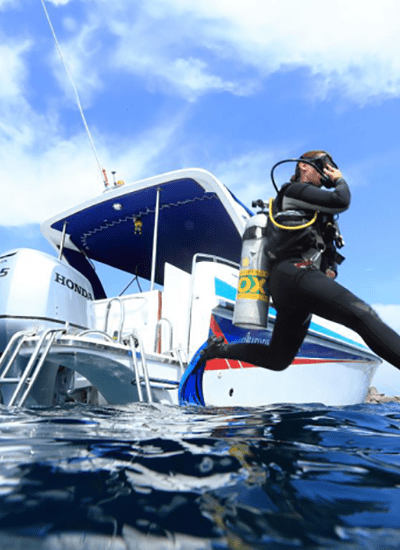
A diving cylinder is a type of gas cylinder used to store compressed breathing gas for underwater diving. It is one of the most important components of a SCUBA (Self-Contained Underwater Breathing Apparatus) system, providing divers with a reliable supply of breathing gas while underwater.
It is one of the most important components of a SCUBA (Self-Contained Underwater Breathing Apparatus) system, providing a reliable supply of breathing gas when divers operate below the water surface.
Diving cylinders are designed to safely contain compressed air, nitrox, or other breathing gas mixtures at high pressure. Depending on the application, they can be manufactured from aluminum, steel, or advanced composite materials such as carbon fiber to achieve the required balance between strength, weight, corrosion resistance, and service life.
From recreational scuba diving to professional underwater operations, selecting the right diving cylinder is essential for safety, gas capacity, and diving performance.This guide explains what a diving cylinder is, how it works, different types, materials, pressure ratings, standards, and how to choose the right solution.
What Is a Diving Cylinder?
A diving cylinder is a reusable high-pressure gas cylinder designed to store and transport compressed breathing gas for underwater life-support systems. Before a dive, the cylinder is filled with compressed gas at a filling station. During the dive, the stored gas is delivered to the diver through a pressure regulator at a safe, breathable pressure.
Unlike ordinary gas cylinders, diving cylinders must withstand thousands of filling and emptying cycles, high internal pressures, exposure to saltwater, corrosion, impact, and harsh underwater environments. To ensure long-term safety and reliability, they are manufactured and tested in accordance with strict international pressure vessel standards.
Common breathing gases stored in diving cylinders include:
- Compressed Air
- Nitrox (oxygen-enriched air)
- Trimix (helium, oxygen, and nitrogen mixture)
- Specialized breathing gas mixtures for technical and commercial diving
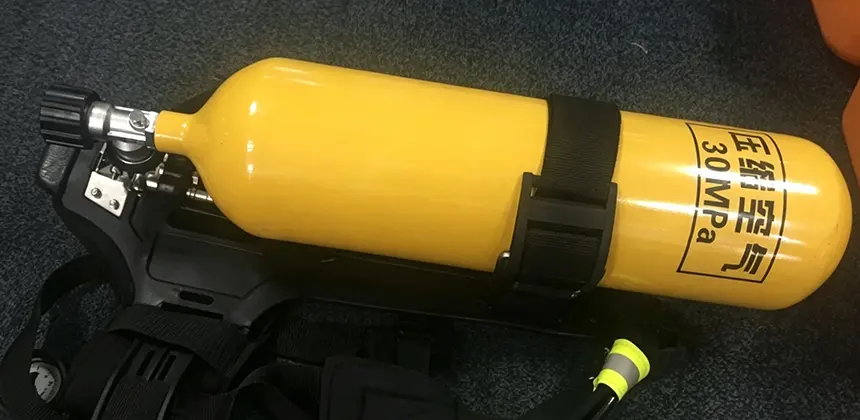
How Does a Diving Cylinder Work?
A diving cylinder stores breathing gas at high pressure, typically between 200 bar (3,000 psi) and 300 bar (4,350 psi). During a dive, the gas flows through a regulator, which reduces the cylinder pressure to an intermediate pressure before delivering breathable gas to the diver on demand.
A complete SCUBA breathing system consists of several components working together:
| Component | Function |
|---|---|
| Diving Cylinder | Stores compressed breathing gas under high pressure. |
| Cylinder Valve | Controls gas filling, shut-off, and gas delivery. |
| First Stage Regulator | Reduces cylinder pressure to an intermediate pressure. |
| Second Stage Regulator | Supplies breathable gas to the diver on demand. |
| Pressure Gauge (SPG) | Displays the remaining gas pressure inside the cylinder. |
Diving Cylinder vs. Scuba Tank: What’s the Difference?
The terms diving cylinder and scuba tank are often used interchangeably, but there is a slight difference in meaning.
Diving cylinder is the broader technical term used by manufacturers, engineers, and industry standards. Scuba tank is the more common name used by recreational divers and refers specifically to the cylinder used in a SCUBA breathing system.
| Term | Description |
|---|---|
| Diving Cylinder | A general technical term for high-pressure cylinders used in underwater breathing systems. |
| Scuba Tank | A diving cylinder specifically used with SCUBA equipment. |
| Diving Air Tank | A common informal term for a cylinder filled with compressed breathing gas. |
Although these terms often describe the same product, manufacturers classify diving cylinders based on factors such as cylinder material, water capacity, working pressure, valve configuration, certification standards, and intended application.
Types of Diving Cylinders
Diving cylinders are available in several configurations to meet different diving requirements. The most common types are aluminum cylinders, steel cylinders, and carbon fiber composite cylinders, each offering unique advantages in weight, buoyancy, durability, and pressure capacity.
Aluminum Diving Cylinders
Aluminum diving cylinders are the most popular choice for recreational scuba diving. They offer excellent corrosion resistance, require relatively little maintenance, and perform well in marine environments.
Their slightly positive buoyancy when nearly empty makes them particularly suitable for warm-water recreational diving, dive resorts, and rental fleets worldwide.
Steel Diving Cylinders
Steel diving cylinders provide higher strength and greater gas capacity within a more compact size than comparable aluminum cylinders. They also remain negatively buoyant throughout most of the dive, making buoyancy control easier for many divers.
These cylinders are widely used for technical diving, commercial diving, public safety diving, and other demanding underwater operations.
Carbon Fiber Diving Cylinders
Carbon fiber composite diving cylinders combine a lightweight composite overwrap with a high-strength liner to significantly reduce weight while maintaining excellent pressure performance. Their superior strength-to-weight ratio makes them ideal for applications where portability and reduced equipment weight are important.
Composite diving cylinders are increasingly used in specialized diving operations, military applications, and professional rescue teams where minimizing equipment weight improves mobility and operational efficiency.
Materials Used for Diving Cylinders
The material of a diving cylinder directly affects its weight, strength, corrosion
resistance, buoyancy characteristics, and service life. Manufacturers select materials
based on application requirements, operating environment, and certification standards.
| Material | Advantages | Typical Applications |
|---|---|---|
| Aluminum | Lightweight, corrosion resistant, and widely available for recreational diving. | Recreational scuba diving, warm-water diving. |
| Steel | High strength, compact size, and excellent gas capacity. | Professional diving, technical diving, cold-water diving. |
| Carbon Fiber Composite | Extremely lightweight with high pressure capability. | Advanced diving systems and weight-sensitive applications. |
Diving Cylinder Pressure Ratings
Diving cylinders are manufactured to operate under high internal pressure. The pressure
rating determines how much compressed gas the cylinder can safely store and directly
affects available underwater breathing time.
Common working pressures for diving cylinders include:
| Working Pressure | Description |
|---|---|
| 200 bar | Common pressure rating for recreational diving cylinders. |
| 232 bar | Widely used in European diving applications. |
| 300 bar | Higher pressure cylinders for technical and extended diving applications. |
Higher-pressure cylinders can provide greater gas capacity in a similar physical size.
However, they require advanced manufacturing processes, precise quality control, and
strict pressure testing procedures.
Diving Cylinder Manufacturing Process
Manufacturing a high-quality diving cylinder requires advanced pressure vessel engineering, precision manufacturing, and rigorous quality control. Every cylinder must be produced with consistent mechanical properties and undergo comprehensive testing to ensure it meets stringent safety and performance requirements for underwater use.
Although diving cylinders are designed specifically for underwater breathing applications, they are manufactured using many of the same engineering principles as other high-pressure gas cylinders. To learn more about seamless cylinder production, heat treatment, quality control, and testing, read our complete guide to the gas cylinder manufacturing process.
1. Material Preparation
The manufacturing process begins with carefully selected raw materials. High-strength aluminum alloys, alloy steel, or advanced composite materials are chosen based on the required working pressure, cylinder design, and intended diving application. Each material is inspected to ensure it meets the required chemical composition and mechanical property specifications.
2. Cylinder Forming
Metal diving cylinders are typically manufactured using seamless production processes such as hot extrusion, deep drawing, precision machining, and neck forming. These processes produce a one-piece pressure vessel with excellent structural integrity and uniform wall thickness, ensuring reliable performance under high-pressure conditions.
3. Heat Treatment
After forming, the cylinder undergoes controlled heat treatment to optimize its mechanical properties. This process enhances strength, toughness, and fatigue resistance, enabling the cylinder to safely withstand repeated high-pressure filling and discharge cycles throughout its service life.
4. Surface Treatment
The cylinder surface is cleaned, finished, and protected with suitable coatings or finishes to improve corrosion resistance, wear resistance, and appearance. Proper surface treatment is particularly important for diving cylinders operating in saltwater and other harsh marine environments.
5. Pressure Testing and Quality Inspection
Before entering service, every diving cylinder undergoes comprehensive quality inspections and pressure testing. Typical inspection procedures include hydrostatic pressure testing, visual inspection, dimensional verification, thread inspection, leak testing, and non-destructive testing (NDT), where required. Only cylinders that successfully pass all inspection requirements are certified for safe underwater use.
Diving Cylinder Standards and Certifications
Because diving cylinders operate under high pressure, they must comply with internationally recognized standards and certification requirements to ensure safety, reliability, and regulatory compliance. The applicable standard depends on the country, region, and intended application.
| Standard / Certification | Region | Purpose |
|---|---|---|
| DOT | United States | Specifies design, manufacturing, inspection, and transportation requirements for portable high-pressure cylinders used in the U.S. |
| TC | Canada | Defines certification requirements for pressure vessels and transportable gas cylinders used in Canada. |
| EN 1964 / EN 1975 | Europe | European standards covering the design, manufacture, and testing of seamless steel and aluminum gas cylinders. |
| ISO 7866 | International | Specifies requirements for refillable seamless aluminum alloy gas cylinders. |
| ISO 9809 | International | Specifies design, manufacture, and testing requirements for refillable seamless steel gas cylinders. |
| ISO 11119 | International | Applies to composite gas cylinders reinforced with fiber materials such as carbon fiber or glass fiber. |
| TPED | European Union | Transportable Pressure Equipment Directive governing the certification and transport of pressure equipment within the EU. |
| CE Marking | European Union | Indicates compliance with applicable European safety and regulatory requirements where required. |
When selecting a diving cylinder manufacturer or supplier, buyers should verify that the cylinders are certified to the standards required in their target market. They should also evaluate the manufacturer’s production capabilities, quality management system, testing facilities, and experience with international certifications to ensure long-term safety, compliance, and product reliability.
How to Choose the Right Diving Cylinder
Selecting the right diving cylinder is essential for safety, comfort, and overall diving performance. The ideal cylinder depends on several factors, including the type of diving, breathing gas requirements, operating environment, cylinder weight, and local certification requirements.
1. Choose the Right Cylinder Material
The cylinder material directly affects weight, buoyancy characteristics, durability, and corrosion resistance. Each material offers distinct advantages for different diving applications.
- Aluminum Diving Cylinders: Lightweight, corrosion-resistant, and widely used for recreational scuba diving, especially in warm-water environments.
- Steel Diving Cylinders: Offer greater strength and higher gas capacity in a more compact size, making them ideal for technical, commercial, and professional diving.
- Carbon Fiber Composite Diving Cylinders: Provide the highest strength-to-weight ratio and are preferred for specialized applications where minimizing equipment weight is a priority.
2. Select the Appropriate Cylinder Capacity
Cylinder capacity determines how much breathing gas is available during a dive. Choosing the correct size helps ensure an adequate gas supply while maintaining comfort and proper buoyancy.
Key factors to consider include:
- Diving depth
- Planned dive duration
- Breathing gas mixture (air, nitrox, trimix, etc.)
- Diver air consumption rate
- Equipment configuration and redundancy requirements
Selecting the correct cylinder capacity is one of the most important decisions for any diver. For a detailed comparison of standard cylinder volumes, dimensions, and water capacities used across different industries, see our Gas Cylinder Sizes Guide.
3. Verify the Working Pressure
Diving cylinders are available in different working pressure ratings, typically ranging from 200 bar (3,000 psi) to 300 bar (4,350 psi). The selected pressure rating should be compatible with the intended diving application, cylinder valve, regulator, and approved filling equipment.
Higher-pressure cylinders can store more breathing gas within the same physical size, providing longer dive times when supported by compatible equipment.
4. Confirm Standards and Certifications
Always ensure that the diving cylinder complies with the standards and certification requirements of the country or region where it will be used. International buyers should work with manufacturers that have experience supplying certified cylinders for their target markets and can provide the necessary inspection reports, test certificates, and regulatory documentation.
Diving Cylinder Applications
Although most commonly associated with recreational scuba diving, diving cylinders are used in many professional and specialized underwater applications.
| Application | Usage |
|---|---|
| Recreational Diving | Swimming, exploration, and underwater photography. |
| Technical Diving | Deep diving and extended underwater operations. |
| Commercial Diving | Marine construction, inspection, and underwater maintenance. |
| Search and Rescue | Emergency underwater rescue operations. |
| Scientific Research | Marine biology and underwater research activities. |
Diving Cylinder Maintenance and Inspection
Regular inspection and proper maintenance are essential to ensure that diving cylinders remain safe, reliable, and capable of withstanding repeated high-pressure filling cycles throughout their service life.
Because diving cylinders are exposed to high internal pressure, moisture, and marine environments, they should be inspected and maintained according to applicable standards and manufacturer recommendations.
Typical maintenance and inspection procedures include:
- Visual Inspection: Checking for corrosion, dents, cracks, thread damage, and other surface defects that may affect cylinder safety.
- Hydrostatic Testing: Performing periodic pressure testing to verify the cylinder’s structural integrity and ability to safely withstand operating pressure.
- Valve Inspection and Maintenance: Inspecting cylinder valves for proper operation, leaks, and damage, and replacing components when necessary.
- Internal Cleaning and Drying: Removing moisture, contaminants, and residues to prevent internal corrosion and gas contamination.
Proper handling, storage, and scheduled inspection can significantly extend the service life of diving cylinders while ensuring safe and reliable performance during underwater operations.
TECHNICAL FAQs
About Diving Cylinders
A diving cylinder is a high-pressure gas cylinder used to store compressed breathing gas for underwater diving. It supplies air or other breathing gas mixtures through a regulator as part of a SCUBA system.
Yes. The terms are often used interchangeably. A scuba tank is a type of diving cylinder specifically used with a self-contained underwater breathing apparatus (SCUBA) system.
Diving cylinders commonly store compressed air, nitrox, trimix, and other breathing gas mixtures used for recreational, technical, commercial, and professional diving applications.
The most common diving cylinder materials are aluminum, steel, and carbon fiber composite. Each material provides different advantages in terms of weight, strength, corrosion resistance, buoyancy characteristics, and pressure performance.
Common diving cylinder working pressures include 200 bar, 232 bar, and 300 bar. The appropriate pressure rating depends on the cylinder design, certification requirements, and diving application.
Inspection requirements depend on local regulations, cylinder standards, and manufacturer recommendations. Regular visual inspections and periodic hydrostatic testing are required to verify cylinder safety and structural integrity.
End Notes
A diving cylinder is a vital high-pressure vessel that supplies breathing gas for underwater activities. Available in aluminum, steel, and carbon fiber composite designs, diving cylinders are selected based on factors such as working pressure, gas capacity, weight, buoyancy characteristics, and specific application requirements.
Whether used for recreational scuba diving, technical diving, commercial diving, or professional underwater operations, a reliable diving cylinder must be manufactured according to strict quality standards and certified safety requirements to ensure dependable performance in demanding environments.
By working with an experienced diving cylinder manufacturer with advanced pressure vessel engineering capabilities, buyers can obtain safe, durable, and high-performance cylinder solutions that meet their operational needs and market regulations.

No comment