

Liquefied Natural Gas (LNG) plays a critical role in energy, transportation, industrial gas supply, marine fuel systems, and power generation. Because LNG is stored at approximately −162°C, safe operation requires compliance with internationally recognized engineering standards.
LNG standards establish the requirements for storage tanks, transportation equipment, pressure vessels, piping systems, safety systems, inspection procedures, and operational practices. These standards help ensure the safe and reliable performance of LNG facilities while protecting personnel, equipment, and the environment.
Organizations planning new LNG projects should also understand the different types of LNG storage systems used in industrial, marine, and peak-shaving applications.
In this guide, we examine the major LNG standards used throughout the industry, including NFPA 59A, API 620, API 625, ASME, and ISO standards, as well as the requirements that apply to LNG storage tanks, ISO tank containers, semi-trailers, fueling stations, and cryogenic equipment.
This guide is developed by industrial gas engineering specialists with experience in LNG storage systems, cryogenic engineering, and international gas infrastructure projects.
What Are LNG Standards?
LNG standards are engineering codes, technical specifications, regulations, and industry guidelines that govern the design, construction, operation, transportation, and maintenance of liquefied natural gas systems.
These standards establish requirements for equipment design, cryogenic performance, operational safety, inspection procedures, and regulatory compliance throughout the LNG value chain.
Key Areas Covered by LNG Standards
- Cryogenic storage systems
- Pressure vessel design
- Material selection and compatibility
- LNG transportation equipment
- Fire protection systems
- Emergency shutdown systems
- Hazard management and risk mitigation
- Inspection and testing procedures
- Facility operation and maintenance
Most LNG projects must comply with multiple standards simultaneously because no single code covers every aspect of LNG infrastructure. Engineering teams typically combine standards from different organizations to address storage tanks, pressure systems, transportation equipment, piping networks, and facility safety requirements.
For example, a large LNG terminal may use API standards for storage tanks, ASME standards for pressure vessels and piping systems, NFPA standards for fire protection and facility safety, and ISO standards for transportation equipment and international operations.
Why LNG Standards Matter
LNG presents unique engineering challenges that differ significantly from conventional fuel systems.
Because LNG is stored at cryogenic temperatures, ordinary construction materials may become brittle and lose their structural integrity. LNG facilities must also manage pressure buildup, vapor generation, thermal contraction, and potential fire hazards.
Compliance with recognized standards helps organizations achieve:
Improved operational safety
Reliable equipment performance
Reduced environmental risks
Regulatory compliance
Insurance approval
Extended equipment service life
International project acceptance
For EPC contractors, LNG plant operators, industrial gas suppliers, and equipment manufacturers, standards are often mandatory requirements rather than optional recommendations.
Major LNG Standards Overview
Several organizations publish standards that are widely used throughout the LNG industry.
| Standard | Organization | Primary Application |
|---|---|---|
| NFPA 59A | NFPA | LNG facility safety |
| API 620 | American Petroleum Institute | Cryogenic storage tank construction |
| API 625 | American Petroleum Institute | LNG storage systems |
| ASME Section VIII | ASME | Pressure vessels |
| ASME B31.3 | ASME | LNG process piping |
| EN 14620 | CEN | European LNG storage tanks |
| ISO 16903 | ISO | LNG system characteristics |
| ISO 20421 | ISO | LNG fueling stations |
| ISO 21013 | ISO | Pressure relief accessories |
| ISO 1496-3 | ISO | Tank containers |
Although these standards address different areas of LNG engineering, they are frequently used together within a single project.
LNG Standards by Equipment Type
Different LNG equipment categories require different standards depending on their design, operating conditions, and intended use.
LNG Storage Tanks
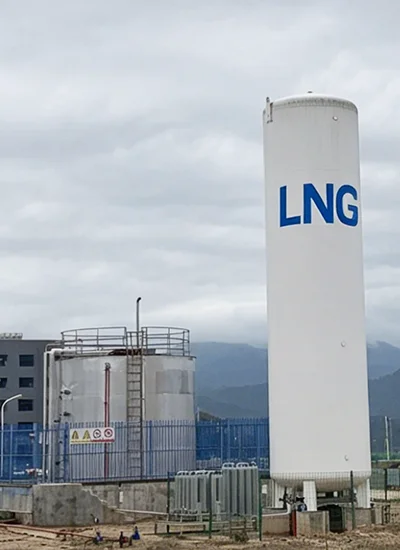
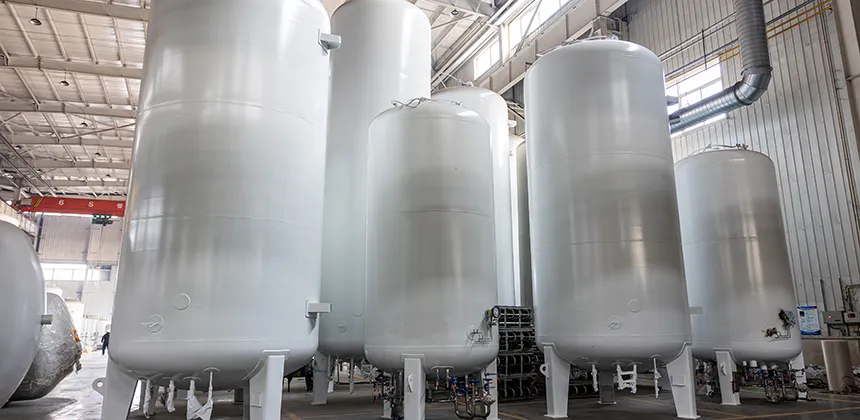
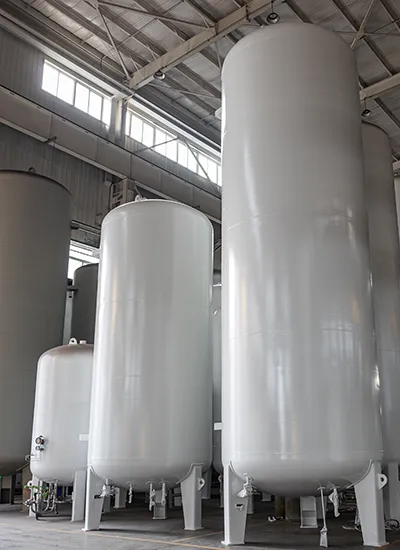
Typically designed according to API 620, API 625, EN 14620 and NFPA 59A requirements.
Modern cryogenic storage solutions include both vertical and horizontal designs such as LNG cryogenic storage tanks, optimized for long-term containment and boil-off control.
LNG ISO Tank Containers
Usually comply with ISO 1496-3, CSC, IMDG, ADR, RID, and ISO 6346 requirements.
For international logistics applications, LNG ISO tank containers provide standardized cryogenic transport across sea, rail, and road networks.
LNG Semi-Trailers
Common standards include DOT MC-338, ADR, and EN 13530.
LNG Fueling Stations
Fueling infrastructure commonly follows ISO 20421 and NFPA 59A.
LNG Vaporizers
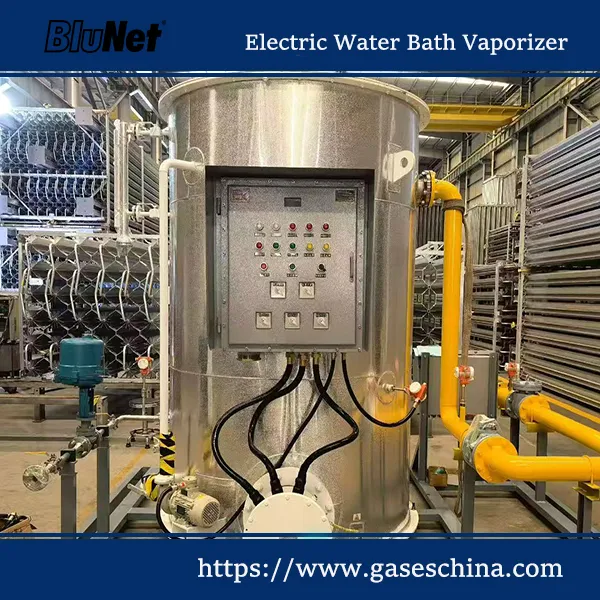
Pressure systems generally comply with ASME pressure vessel and piping standards.
NFPA 59A
NFPA 59A is one of the most important LNG safety standards, covering fire protection, emergency shutdown systems, gas detection, hazardous area classification, and spill containment.
API 620
API 620 establishes design and construction requirements for large welded low-pressure cryogenic storage tanks.
API 625
API 625 focuses on complete LNG storage systems, including containment, insulation, foundations, and commissioning.
API 620 vs API 625
| Feature | API 620 | API 625 |
|---|---|---|
| Scope | Tank Construction | Complete Storage System |
| Foundation | Limited | Included |
| Insulation | Basic | Comprehensive |
| Containment | Tank Focused | System Focused |
ASME Standards
ASME Section VIII governs pressure vessels, while ASME B31.3 covers process piping systems used in LNG facilities.
ISO Standards
Key standards include ISO 16903, ISO 20421, ISO 21013, ISO 28460, and ISO 1496-3.
LNG Material Standards
Common materials include 9% nickel steel, 304L stainless steel, 316L stainless steel, and aluminum alloys.
LNG Piping Standards
LNG piping must accommodate thermal contraction, cryogenic temperatures, and pressure fluctuations. ASME B31.3 is widely applied.
LNG Transportation Standards
Transportation equipment may require compliance with ISO, IMDG, ADR, RID, DOT, and CSC requirements.
LNG Safety Requirements
- Gas detection systems
- Emergency shutdown systems
- Pressure relief devices
- Secondary containment
- Fire protection systems
- Vapor dispersion controls
How LNG Standards Work Together
Large LNG projects typically combine NFPA 59A, API 620, API 625, ASME, and ISO standards. Each standard covers a different part of LNG design, such as safety, storage, piping, and transportation.
These standards are first applied to LNG systems, including storage systems and transfer systems, to ensure safe and stable operation.
At the equipment level, LNG systems use components such as storage tanks, pipelines, and control units.
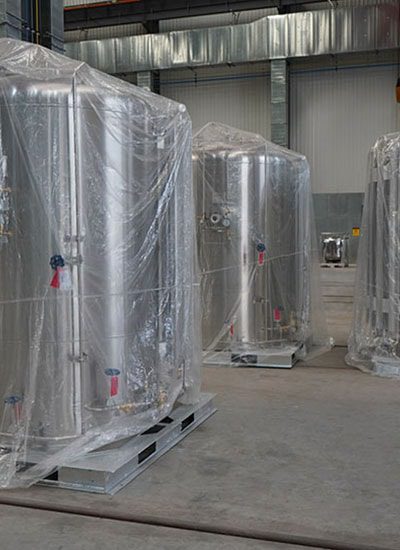
These systems are often integrated with LNG pump skid packages to ensure efficient transfer, pressurization, and flow control across the entire LNG value chain.
Choosing an LNG Equipment Manufacturer
- ASME certification capability
- Cryogenic welding qualifications
- Vacuum insulation expertise
- NDT capability
- International project experience
Looking for a Reliable Bulk Storage or Transport Solution?
Whether you need bulk storage, transport, or on-site supply,
How to Choose the Right LNG Tank
When selecting an LNG tank, consider:
- Required storage capacity and expected consumption
- Site constraints: land space, seismic activity, security
- Safety compliance with ASME, EN, and CODE 2000
- Boil-off gas (BOG) management requirements
- Transportation and logistics considerations
- Integration with LNG refueling, satellite, or industrial systems
TECHNICAL FAQs
About Types of LNG Tanks
LNG storage tanks typically follow API 620 Appendix Q, API 625, NFPA 59A, and EN 14620 standards depending on project location and design requirements.
API 625 is not universally mandatory but is widely required for LNG storage system design in many international EPC and terminal projects.
API 620 covers the design and construction of cryogenic storage tanks, while API 625 focuses on complete LNG storage systems including containment, insulation, and integration.
LNG ISO tank containers are governed by ISO 1496-3, CSC regulations, IMDG Code for marine transport, ADR for road transport, and RID for rail transport.
Common LNG storage materials include 9% nickel steel, 304L stainless steel, 316L stainless steel, and aluminum alloys due to their cryogenic performance.
Yes, NFPA 59A is widely used internationally as a reference standard for LNG facility safety even outside the United States.
LNG transportation is regulated by ISO standards, IMDG Code for sea transport, ADR for road transport in Europe, and DOT regulations in the United States.
LNG tanks are inspected using non-destructive testing, hydrostatic testing, vacuum integrity checks, weld inspection, and periodic certification under ASME and API standards.
End Notes
LNG standards form the foundation of safe cryogenic engineering, helping ensure reliable operation of storage tanks, transportation equipment, pressure systems, and LNG facilities worldwide.

No comment