

Vacuum insulation is the core thermal technology used in modern cryogenic tanks to safely store and transport liquefied gases such as liquid nitrogen (LIN), liquid oxygen (LOX), liquid argon (LAR), LNG, and liquid CO₂.
By minimizing heat transfer from the environment, vacuum insulated cryogenic vessels significantly reduce evaporation losses, maintain stable operating pressure, and improve overall storage efficiency.
For industrial gas suppliers, medical facilities, energy companies, and manufacturers using cryogenic gases, the performance of the insulation system directly affects operational costs, safety, and product availability.
This guide explains the working principle of vacuum insulation, the role of multi-layer insulation (MLI), vacuum testing methods, common failure causes, and how to select a high-performance vacuum-insulated cryogenic tank.
Quick Answer: What Is Vacuum Insulation in Cryogenic Tanks?
Vacuum insulation is a thermal insulation method that removes air from the space between the inner vessel and outer jacket of a cryogenic tank.
The vacuum layer eliminates heat transfer caused by gas conduction and convection, while multi-layer insulation reduces radiation heat transfer.
Compared with conventional insulation materials, vacuum insulation provides much lower heat leakage, resulting in lower boil-off gas (BOG), longer holding time, and improved efficiency for cryogenic storage and transportation systems.
Table of Contents
- What Is Vacuum Insulation?
- Why Cryogenic Tanks Need Vacuum Insulation
- How Heat Transfer Occurs in Cryogenic Tanks
- How Vacuum Insulation Works
- Role of Multi-Layer Insulation (MLI)
- Components of a Vacuum Insulated Cryogenic Tank
- Vacuum Testing and Quality Control
- Vacuum Loss Causes and Solutions
- How to Select a Vacuum Insulated Cryogenic Tank
- Frequently Asked Questions
What Is Vacuum Insulation?
A cryogenic tank must maintain extremely low temperatures because many industrial gases
are stored as liquids below -150°C.
| Gas | Liquid Temperature | Common Applications |
|---|---|---|
| Liquid Nitrogen (LIN) | -196°C | Industrial processes, food freezing, laboratories |
| Liquid Oxygen (LOX) | -183°C | Healthcare, welding, aerospace |
| Liquid Argon (LAR) | -186°C | Metal fabrication, electronics |
| LNG | Approximately -162°C | Energy supply and transportation |
| Liquid CO₂ | Approximately -78°C | Food processing and industrial applications |
Because the surrounding environment is much warmer than the cryogenic liquid, heat naturally flows into the tank. Without effective insulation, the liquid absorbs heat and gradually evaporates.
Vacuum insulation solves this problem by creating a high-vacuum environment between two metal walls:
- Inner vessel: Stores the cryogenic liquid.
- Outer jacket: Protects the insulation system.
- Vacuum space: Minimizes heat transfer.
- Multi-layer insulation: Reduces thermal radiation.
Why Do Cryogenic Tanks Need Vacuum Insulation?
Cryogenic liquids are extremely sensitive to heat input. Even a small amount of heat
transfer can increase evaporation rates and cause pressure changes inside the vessel.
The main reasons vacuum insulation is essential include:
1. Reducing Boil-Off Gas (BOG)
When heat enters a cryogenic tank, part of the liquid changes into gas.
This vaporized gas is called boil-off gas (BOG).
A well-designed vacuum insulation system reduces heat leakage and minimizes unnecessary
product loss.
2. Maintaining Stable Pressure
Cryogenic tanks operate under controlled pressure conditions. Excessive heat input
causes faster vapor generation, increasing internal pressure and requiring more frequent
venting or pressure management.
3. Improving Storage and Transportation Efficiency
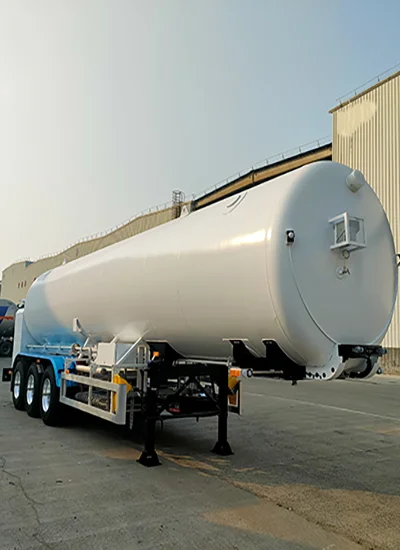
For modern cryogenic transportation systems, including cryogenic tank trailers and ISO tanks, lower heat leakage means longer holding time and fewer interruptions during delivery.
4. Enhancing Safety
Maintaining stable temperature and pressure reduces operational risks and helps protect
equipment, operators, and end users.
How Heat Transfer Occurs in Cryogenic Tanks
Heat enters a cryogenic vessel through three basic mechanisms:
| Heat Transfer Method | Description | Vacuum Insulation Effect |
|---|---|---|
| Conduction | Heat transfer through solid or gas materials | Greatly reduced by removing gas molecules |
| Convection | Heat movement caused by gas circulation | Almost eliminated under vacuum conditions |
| Radiation | Heat transfer through electromagnetic waves | Reduced by multi-layer insulation |
Conduction
Conduction occurs when heat travels through materials. In a conventional insulated
tank, air and insulation materials can transfer thermal energy from the outside
environment to the cryogenic liquid.
By removing air from the insulation space, vacuum insulation dramatically decreases
gas conduction.
Convection
Convection requires gas molecules to move and transfer heat. Since a high-quality
vacuum contains very few molecules, convection is almost completely eliminated.
Radiation
Unlike conduction and convection, thermal radiation can travel through a vacuum.
Therefore, additional insulation layers are required to reduce radiant heat transfer.
This is why modern cryogenic tanks combine:
- High vacuum technology
- Multi-layer insulation (MLI)
- High-quality stainless steel vessels
Together, these technologies provide the thermal performance required for industrial
cryogenic storage and transportation.
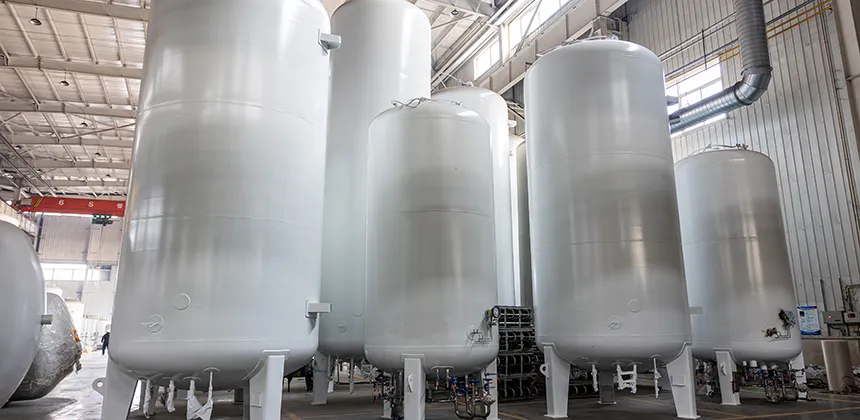
How Does Vacuum Insulation Work in Cryogenic Tanks?
The working principle of vacuum insulation is based on reducing the three methods of heat
transfer: conduction, convection, and radiation. A properly designed vacuum insulated
cryogenic tank creates a thermal barrier between the cryogenic liquid inside the inner
vessel and the warmer external environment.
Unlike traditional insulation systems that rely mainly on thick materials such as foam or
fiberglass, vacuum insulation uses a high-vacuum space combined with reflective insulation
layers to achieve extremely low heat transfer.
Double-Wall Cryogenic Tank Structure
Most modern cryogenic vessels use a double-wall construction design:
| Component | Function |
|---|---|
| Inner Pressure Vessel | Stores cryogenic liquids under pressure and is manufactured from low-temperature compatible materials such as stainless steel. |
| Vacuum Annular Space | The evacuated space between the inner and outer vessels that minimizes heat transfer. |
| Multi-Layer Insulation (MLI) | Reduces thermal radiation by reflecting heat energy away from the inner vessel. |
| Outer Jacket | Protects the vacuum system and provides mechanical strength. |
During manufacturing, the space between the two vessels is evacuated using vacuum
pumping equipment. Once the required vacuum level is achieved, the vacuum port is sealed
to maintain long-term insulation performance.
The Role of Multi-Layer Insulation (MLI) in Cryogenic Tanks
Vacuum alone cannot completely eliminate heat transfer because thermal radiation can
travel through empty space. Therefore, high-performance cryogenic tanks use
multi-layer insulation (MLI) inside the vacuum chamber.
MLI consists of multiple layers of reflective materials, usually aluminum-coated films,
separated by low-conductivity spacer materials.
| MLI Component | Purpose |
|---|---|
| Reflective Film Layers | Reflect thermal radiation away from the inner vessel. |
| Spacer Materials | Prevent direct contact between insulation layers and reduce conduction. |
| Vacuum Environment | Eliminates gas conduction and convection. |
Why MLI Improves Cryogenic Performance
The combination of vacuum and MLI creates a highly efficient insulation system.
- Vacuum reduces conduction and convection.
- MLI reduces radiation heat transfer.
- Together they minimize total heat leakage.
This design allows cryogenic tanks to achieve low evaporation rates, which is critical
for applications such as LNG transportation, liquid oxygen storage, and industrial gas
distribution.
Main Components of a Vacuum Insulated Cryogenic Tank
A vacuum insulated cryogenic tank is a precision-engineered pressure vessel consisting
of multiple components working together to maintain thermal efficiency and safety.
1. Inner Vessel
The inner vessel contains the cryogenic liquid and must withstand extremely low
temperatures and internal pressure.
Common materials include:
- Austenitic stainless steel
- 304 stainless steel
- 316 stainless steel
- Other cryogenic-grade alloys
Material selection is important because some metals become brittle at cryogenic
temperatures.
2. Outer Jacket
The outer shell protects the vacuum insulation system from mechanical damage and
environmental exposure.
A properly designed outer jacket must provide:
- Structural protection
- Vacuum sealing capability
- Resistance to corrosion
- Long service life
3. Vacuum Space
The vacuum space is the most important insulation component. Manufacturing quality,
welding accuracy, and sealing technology directly affect vacuum retention performance.
4. Supports and Thermal Bridges
The inner vessel must be mechanically supported inside the outer jacket. However, these
supports can become thermal bridges that transfer heat into the tank.
Cryogenic tank manufacturers carefully design support structures using low thermal
conductivity materials to minimize heat leakage.
5. Piping and Valves
Cryogenic piping systems must also be insulated because external heat can enter through
transfer lines, valves, and connections.
High-quality cryogenic systems include:
- Vacuum-jacketed piping
- Cryogenic valves
- Pressure build-up systems
- Safety relief devices
Vacuum Insulation Manufacturing Process
The performance of vacuum insulation depends heavily on manufacturing quality. Even a
small leak or poor welding point can reduce insulation efficiency.
Step 1: Inner and Outer Vessel Fabrication
The inner pressure vessel and outer jacket are manufactured separately according to the
required design standards and pressure requirements.
Step 2: Welding and Inspection
Cryogenic tanks require high-quality welding because weld defects can affect pressure
strength and vacuum retention.
Typical inspection methods include:
- Visual inspection
- X-ray testing
- Ultrasonic testing
- Liquid penetrant testing
Step 3: Installation of MLI
After cleaning the vacuum chamber, multi-layer insulation materials are carefully
installed around the inner vessel.
The installation process must avoid:
- Moisture contamination
- Damaged insulation layers
- Incorrect wrapping density
Step 4: Vacuum Pumping
The annular space is connected to a vacuum pumping system. Air and moisture are removed
until the required vacuum level is achieved.
This process may include:
- Initial vacuum evacuation
- Vacuum drying
- Heating treatment to remove moisture
- Final vacuum stabilization
Step 5: Vacuum Sealing
After achieving the required vacuum performance, the vacuum port is sealed permanently.
A properly manufactured vacuum insulated tank can maintain insulation performance for
many years under normal operating conditions.
How Vacuum Performance Is Tested
Vacuum testing is a critical quality control step for cryogenic tanks. Manufacturers use
several inspection methods to verify insulation performance and long-term reliability.
Vacuum Level Testing
The vacuum level inside the insulation space is measured using specialized vacuum gauges.
A higher vacuum level generally indicates better insulation performance and lower heat
transfer.
Helium Leak Testing
Helium leak testing is one of the most accurate methods for detecting extremely small
leaks in cryogenic vessels.
Because helium atoms are very small, they can identify leakage points that traditional
testing methods may not detect.
Evaporation Rate Testing
Cryogenic tanks are also evaluated by measuring evaporation performance.
Important indicators include:
| Performance Parameter | Meaning |
|---|---|
| Boil-Off Rate | Amount of liquid lost due to heat input over time. |
| Holding Time | Period the tank can maintain acceptable pressure and temperature. |
| Heat Leakage | Amount of external heat entering the vessel. |
These tests help confirm that the cryogenic tank meets required performance standards
before delivery to customers.
Vacuum Loss in Cryogenic Tanks: Causes, Symptoms, and Solutions
A high-quality vacuum insulated cryogenic tank is designed to maintain insulation
performance for many years. However, vacuum degradation can occur due to mechanical
damage, manufacturing defects, improper handling, or long-term aging.
When vacuum performance decreases, heat transfer increases, resulting in higher
evaporation rates and reduced operational efficiency.
Common Causes of Vacuum Loss
| Cause | Description |
|---|---|
| External Mechanical Damage | Impact or deformation of the outer jacket may damage the vacuum chamber. |
| Welding Defects | Poor weld quality can create small leakage paths that reduce vacuum performance. |
| Seal Failure | Damaged vacuum ports or sealing components may allow air to enter the vacuum space. |
| Moisture Contamination | Residual moisture can increase pressure inside the vacuum space over time. |
| Aging Components | Long-term operation may gradually reduce vacuum retention performance. |
Signs of Vacuum Insulation Failure
Operators should pay attention to the following warning signs:
- Increased boil-off gas generation
- Shorter holding time
- Frequent pressure relief valve activation
- Higher operating pressure
- Frost or ice formation on the outer surface
- Increased product consumption
How Vacuum Performance Can Be Restored
Depending on the tank design and damage condition, vacuum performance may sometimes be
restored through professional maintenance procedures.
Typical restoration processes include:
- Leak detection and repair
- Vacuum re-pumping
- Vacuum drying treatment
- Inspection of insulation materials
Regular inspection and proper operation are essential to maximize the service life of
vacuum insulated cryogenic vessels.
Vacuum Insulation vs Conventional Insulation
Different insulation technologies are available for temperature-controlled equipment.
However, for cryogenic applications below -150°C, vacuum insulation provides superior
thermal performance compared with conventional insulation methods.
| Feature | Vacuum Insulation | Conventional Insulation |
|---|---|---|
| Heat Transfer | Extremely low | Higher |
| Boil-Off Rate | Lower | Higher |
| Holding Time | Longer | Shorter |
| Insulation Thickness | Compact design | Requires thicker insulation layers |
| Long-Term Efficiency | Excellent | Depends on material aging |
| Typical Application | Cryogenic tanks, LNG systems, ISO tanks | General temperature control systems |
How to Select a Vacuum Insulated Cryogenic Tank
Choosing the correct cryogenic tank requires more than checking storage capacity.
Purchasers should evaluate insulation performance, manufacturing capability, safety standards, and long-term operating costs.
1. Check Insulation Performance
Important technical parameters include:
- Static evaporation rate
- Holding time
- Vacuum level
- Heat leakage rate
2. Evaluate Manufacturing Experience
Cryogenic vessels require specialized manufacturing knowledge, including:
- Cryogenic welding technology
- Pressure vessel fabrication
- Vacuum system design
- Quality inspection procedures
Experienced manufacturers with proven cryogenic equipment manufacturing capabilitiescan provide customized solutions for different industrial gas applications.
3. Consider Applicable Standards
Depending on the market and application, cryogenic tanks may need compliance with:
- ASME Boiler and Pressure Vessel Code
- PED 2014/68/EU
- EN standards
- ISO standards
- DOT requirements
- TPED regulations
4. Match the Tank Design to the Application
| Application | Recommended Equipment |
|---|---|
| Industrial Gas Storage | Cryogenic Storage Tank |
| Gas Distribution | Cryogenic Tank Trailer |
| International Transportation | Cryogenic ISO Tank |
| Small and Medium Gas Users | Microbulk System |
| LNG Supply Chain | LNG Tank Trailer / LNG ISO Tank |
Applications of Vacuum Insulated Cryogenic Tanks
Vacuum insulation technology is widely used across multiple industries requiring reliable
cryogenic liquid storage and transportation.
- Healthcare: Liquid oxygen storage and medical gas supply systems.
- Energy: LNG storage and transportation.
- Manufacturing: Nitrogen and argon supply for industrial processes.
- Electronics: High-purity gas applications.
- Food Processing: Liquid nitrogen freezing systems.
- Research: Laboratory cryogenic applications.
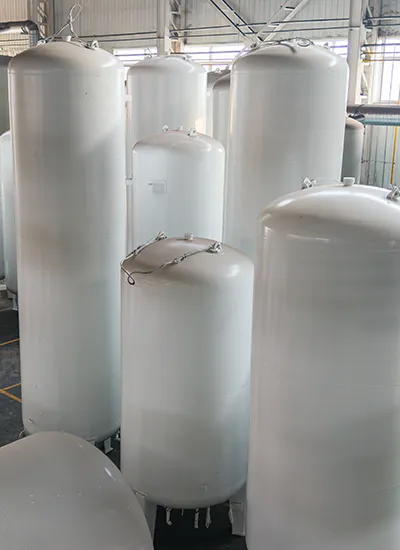
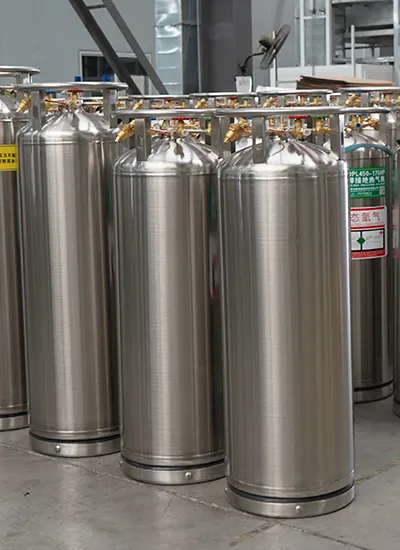
Liquid Nitrogen Cryogenic Tank
BluNet liquid nitrogen cryogenic tank solution for reliable LN₂ storage and distribution.

Vacuum-insulated LNG Cryogenic Tank
BluNet LNG cryogenic tank solution for reliable LNG storage and distribution.
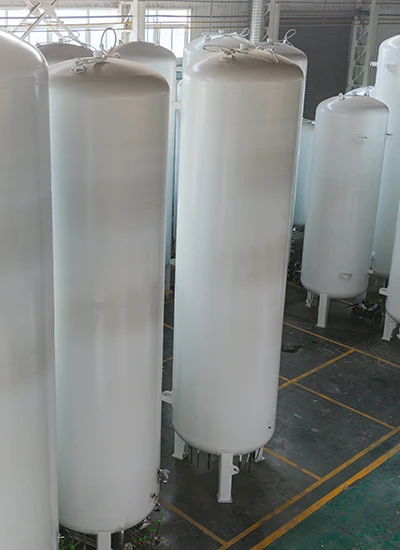
LCO2 Cryogenic Bulk Tank
BluNet LCO₂ cryogenic tank solution for reliable liquid CO₂ storage and distribution.
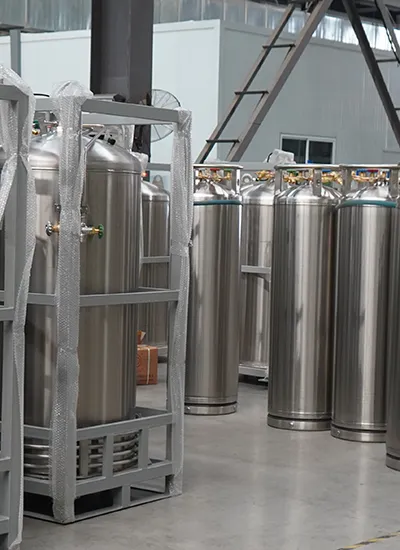
Vacuum-insulated Microbulk System
BluNet Microbulk system for reliable on-site industrial gas storage and supply.
Looking for a Reliable Cryogenic Storage or Transport Solution?
Whether you need bulk cryogenic storage, cryogenic gas transportation, or on-site gas supply systems, BluNet provides customized vacuum-insulated cryogenic tank solutions for liquid nitrogen (LIN), liquid oxygen (LOX), liquid argon (LAR), LNG, and other industrial gas applications.
Conclusion
Vacuum insulation is the foundation of modern cryogenic storage and transportation
technology. By reducing conduction, eliminating convection, and minimizing radiation
through multi-layer insulation, vacuum insulated tanks provide reliable thermal
protection for extremely cold liquids.
For applications involving LNG, liquid oxygen, liquid nitrogen, liquid argon, and other
industrial gases, selecting a high-quality vacuum insulated cryogenic tank is essential
for reducing operating costs, improving safety, and maintaining product efficiency.
With advanced manufacturing processes, strict quality control, and professional
engineering support, vacuum insulated cryogenic vessels continue to be the preferred
solution for global industrial gas storage and transportation.
TECHNICAL FAQs
About Vacuum Insulation in Cryogenic Tanks
Vacuum insulation removes air from the space between the inner vessel and outer jacket of a cryogenic tank to reduce heat transfer and minimize evaporation losses.
Cryogenic tanks use vacuum insulation to reduce heat leakage, lower boil-off gas generation, extend holding time, and improve storage efficiency.
Multi-layer insulation consists of reflective layers installed inside the vacuum space to reduce thermal radiation.

No comment