

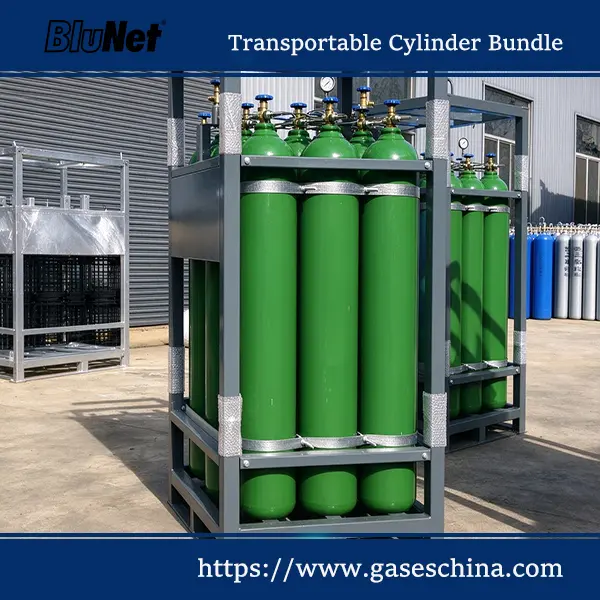
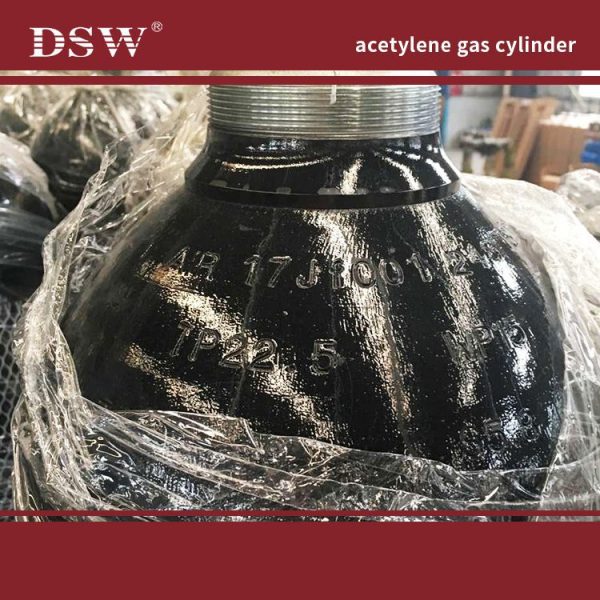
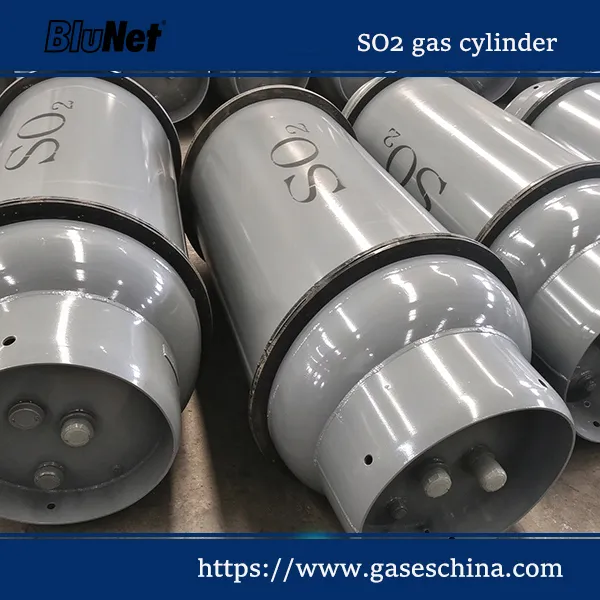
Liquid nitrogen (LN2) is widely used in food processing, healthcare, laboratories, electronics, chemical production, metal processing, and other industrial applications. A reliable liquid nitrogen supply system must provide suitable storage capacity, controlled pressure, consistent delivery, and safe handling throughout the supply process.
BluNet provides industrial gas equipment and supply system solutions, including liquid nitrogen storage tanks, cryogenic Dewars, MicroBulk equipment, and related gas supply components. We help customers evaluate equipment options according to nitrogen consumption, storage requirements, operating pressure, application conditions, and destination market requirements.
Our liquid nitrogen equipment supports a range of industrial applications. Learn more about the industries served by BluNet and their gas storage and supply requirements.
Explore our industrial nitrogen gas products and liquid nitrogen equipment options for different supply requirements.
Liquid Nitrogen Supply Solutions for Different Industries
Liquid nitrogen is used in applications that require low temperatures, rapid cooling, freezing, or a reliable source of nitrogen gas after vaporization. The appropriate supply configuration depends on consumption volume, delivery frequency, operating conditions, and the required form of nitrogen.
Food Processing and Freezing
Food manufacturers use liquid nitrogen for rapid freezing, individual quick freezing (IQF), temperature control, and food processing applications. Supply systems should provide sufficient liquid flow and maintain the required operating conditions for the freezing equipment.
Healthcare and Pharmaceutical Applications
Liquid nitrogen is used for cryogenic storage, biological sample preservation, laboratory operations, and selected pharmaceutical processes. Storage equipment should be selected according to the required holding time, usage frequency, capacity, and handling procedures.
Laboratories and Research Institutions
Research laboratories and universities use liquid nitrogen for sample preservation, experimental cooling, and scientific applications. Dewars and smaller cryogenic storage vessels are often suitable for lower-volume requirements, while larger facilities may need centralized storage and distribution.
Electronics and Semiconductor Manufacturing
Electronics and semiconductor facilities may use nitrogen for inerting, purging, cooling, and process protection. Where nitrogen gas is required, liquid storage combined with vaporization can provide a continuous gas supply, subject to the required purity, flow rate, and pressure.
Chemical and Industrial Processing
Chemical plants and industrial manufacturers use nitrogen for blanketing, purging, inerting, and temperature control. A suitable system should account for peak gas demand, operating pressure, vaporizer capacity, and distribution pipeline requirements.
Metal Processing and Other Applications
Liquid nitrogen is also used in selected metal treatment, cryogenic cooling, and industrial temperature-control processes. Equipment selection depends on the required temperature, consumption rate, and process configuration.
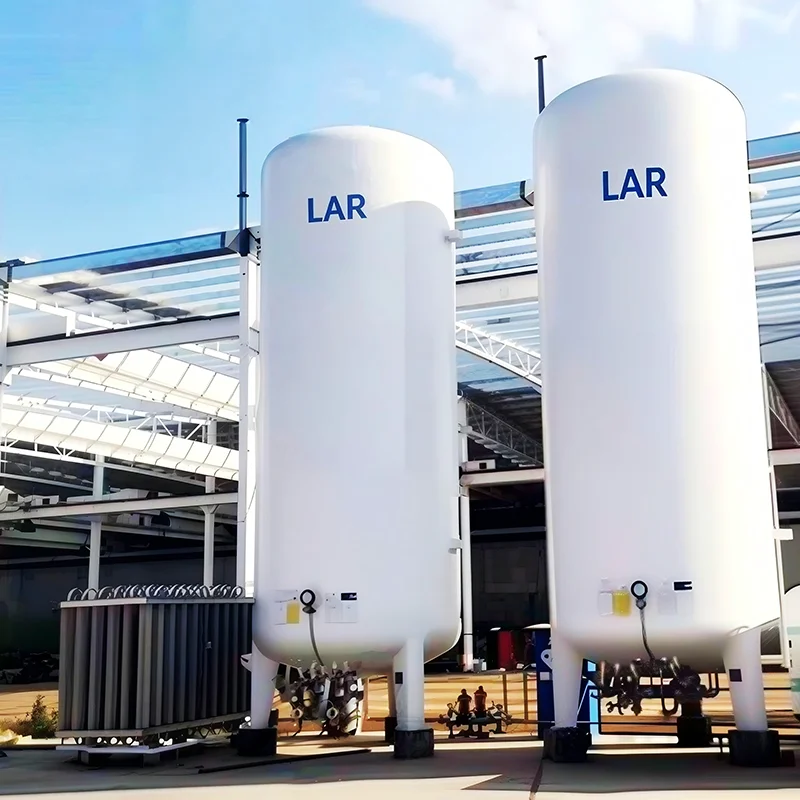
Compare Liquid Nitrogen Supply Methods
Liquid nitrogen can be supplied through several storage and distribution arrangements. The most suitable method depends on consumption volume, site conditions, delivery access, operating pressure, and the level of supply continuity required.
| Supply Method | Typical Application | Main Considerations |
|---|---|---|
| Liquid Nitrogen Dewars | Laboratories and small-volume users | Portability, holding time, handling frequency, and capacity |
| Liquid Nitrogen Cylinders | Smaller users requiring pressurized liquid supply | Working pressure, withdrawal rate, and delivery arrangements |
| Microbulk Storage | Small- and medium-scale industrial consumers | On-site capacity, replenishment frequency, and installation space |
| Bulk Liquid Nitrogen Tanks | Large industrial facilities and continuous processes | Storage capacity, operating pressure, vaporization, and delivery logistics |
| Centralized Distribution | Facilities supplying multiple production areas | Pipeline sizing, pressure drop, flow control, and safety |
For many industrial users, a liquid nitrogen storage system combined with suitable vaporization and distribution equipment can be a practical alternative to relying entirely on individual gas cylinders. The final selection should reflect actual consumption, required supply pressure, and site conditions.
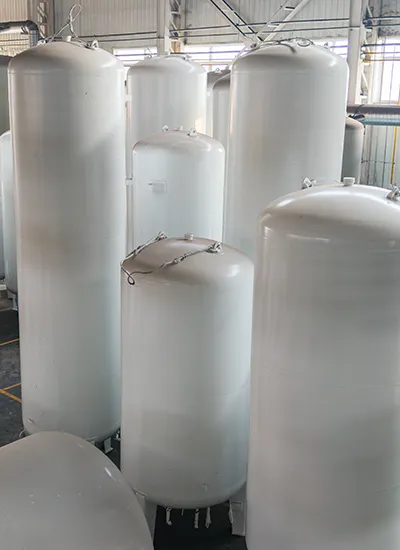
Liquid Nitrogen Cryogenic Tank
BluNet liquid nitrogen cryogenic tank solution for reliable LN₂ storage and distribution.
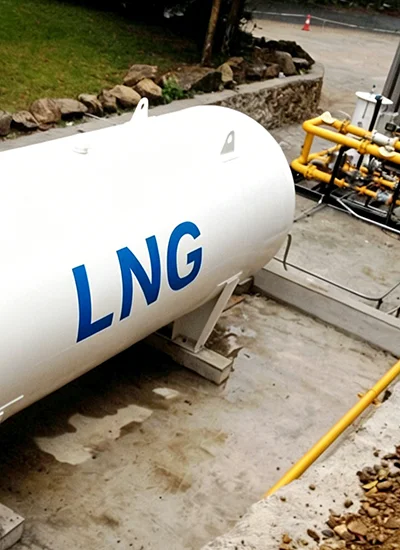
Vacuum-insulated LNG Cryogenic Tank
BluNet LNG cryogenic tank solution for reliable LNG storage and distribution.
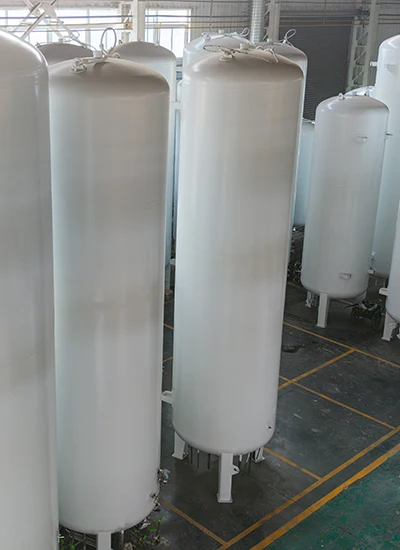
LCO2 Cryogenic Bulk Tank
BluNet LCO₂ cryogenic tank solution for reliable liquid CO₂ storage and distribution.
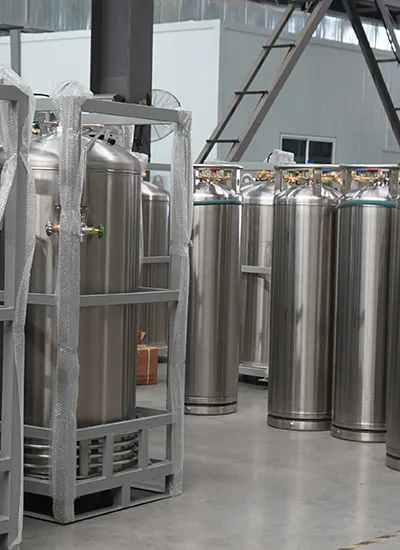
Vacuum-insulated Microbulk System
BluNet Microbulk system for reliable on-site industrial gas storage and supply.
Liquid Nitrogen Cylinders and Dewar Supply
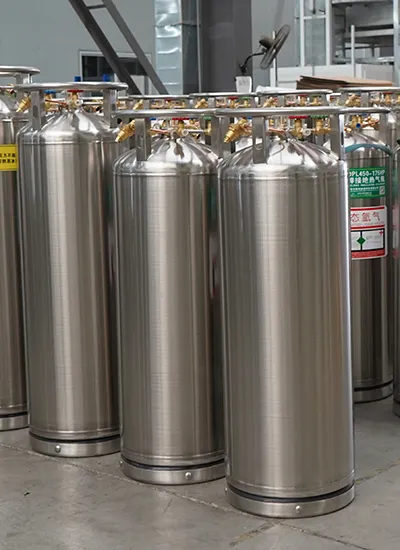
Liquid nitrogen Dewars and pressurized cryogenic vessels are commonly used where storage quantities are relatively small or where nitrogen is needed at different locations. They are suitable for laboratories, research facilities, healthcare applications, and selected industrial operations.
Liquid Nitrogen Dewars
Vacuum-insulated Dewars are designed to store liquid nitrogen at cryogenic temperatures while limiting heat transfer from the surrounding environment. They are available in different configurations and capacities to suit storage, handling, and transfer requirements.
When selecting a Dewar, consider usable capacity, evaporation performance, neck or outlet configuration, handling arrangements, and the frequency of liquid nitrogen withdrawal. Explore our liquid nitrogen Dewars for different cryogenic storage and handling requirements.
Pressurized Liquid Nitrogen Vessels
Pressurized cryogenic vessels can support liquid withdrawal or gas supply through suitable pressure-building and vaporization arrangements. The vessel’s design pressure, operating pressure, outlet configuration, and required flow rate should be checked against the application.
For applications requiring compressed nitrogen rather than liquid nitrogen, refer to the relevant nitrogen gas supply options.
MicroBulk Liquid Nitrogen Storage Systems
MicroBulk systems provide an on-site liquid nitrogen storage option for users whose consumption is higher than the practical supply capacity of individual cylinders or small Dewars, but who may not require a large bulk installation. BluNet offers MicroBulk liquid nitrogen tanks for compact on-site storage and nitrogen supply.
A typical MicroBulk arrangement combines a vacuum-insulated storage tank with pressure control, filling connections, liquid or gas outlets, and related safety components. Depending on the application, the stored liquid nitrogen can be supplied directly to suitable equipment or vaporized to provide nitrogen gas.
When to Consider a MicroBulk System
- Regular liquid nitrogen consumption with limited storage space.
- Demand that is too high for frequent small-container replacement.
- Facilities seeking a more centralized on-site storage arrangement.
- Applications requiring controlled liquid or gas withdrawal.
MicroBulk system selection should consider storage capacity, operating pressure, consumption patterns, delivery access, and the required withdrawal rate. The tank and associated components must be suitable for the intended operating conditions.
Bulk Liquid Nitrogen Storage Systems
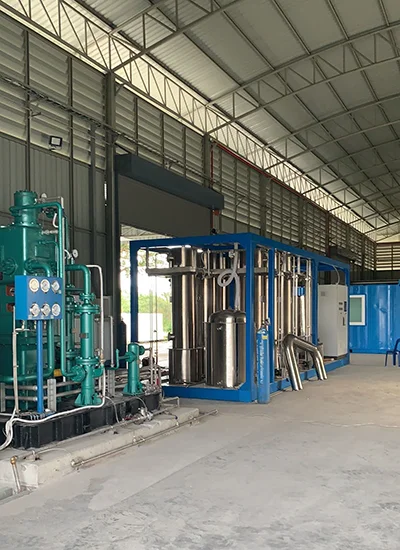
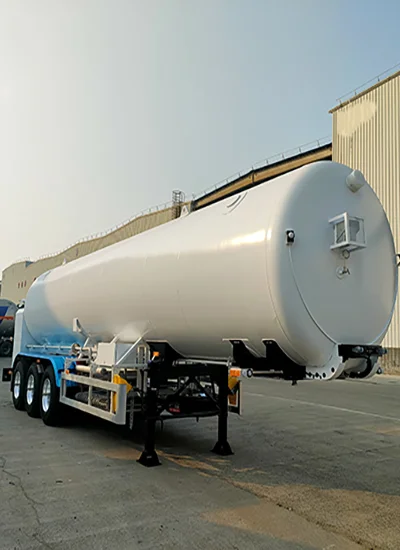
Bulk liquid nitrogen storage systems are generally used by industrial facilities with larger or continuous nitrogen requirements. A typical installation includes a vacuum-insulated storage tank, pressure-control equipment, filling connections, safety devices, and a suitable vaporization and distribution arrangement where gaseous nitrogen is required.
Vacuum-Insulated Storage Tanks
Liquid nitrogen storage tanks commonly use a double-wall construction with vacuum insulation to reduce heat transfer and limit liquid nitrogen evaporation. Depending on the project, tanks may be supplied in vertical or horizontal configurations with different capacities and operating pressures.
Storage capacity should be determined from average and peak consumption, required reserve inventory, delivery frequency, and available installation space. The selected tank should also match the filling and withdrawal requirements of the facility.
Pressure Control and Liquid Withdrawal
Tank pressure and outlet configuration affect how liquid nitrogen is delivered to downstream equipment. Pressure-building circuits, regulators, valves, and transfer connections should be selected according to the required operating pressure and flow conditions.
Gas Supply Through Vaporizers
When a process requires nitrogen gas rather than liquid nitrogen, a vaporizer converts the stored liquid into gas. Vaporizer selection depends on the required gas flow rate, inlet conditions, outlet pressure, ambient conditions, and operating duty.
For larger installations, the storage tank, vaporizer, pressure-control equipment, and distribution network should be evaluated as one integrated supply system.
Explore BluNet’s liquid nitrogen bulk tank for on-site cryogenic storage applications.
Liquid Nitrogen Storage and Distribution Equipment
A complete liquid nitrogen supply system may include several equipment components, depending on whether the application requires liquid storage, liquid transfer, or gaseous nitrogen distribution.
- Vacuum-insulated storage tanks: Store liquid nitrogen and reduce heat transfer through insulation.
- Cryogenic Dewars: Provide smaller-volume storage for laboratories and other applications.
- MicroBulk tanks: Support on-site storage for suitable small and medium consumption requirements.
- Ambient vaporizers: Convert liquid nitrogen into gaseous nitrogen using heat from the surrounding environment.
- Pressure regulators and control valves: Help maintain the required operating conditions.
- Cryogenic valves and piping: Support liquid nitrogen transfer and system isolation.
- Safety and instrumentation components: Provide pressure protection, monitoring, and operational control.
Equipment compatibility is important. Tank outlets, valves, piping, vaporizers, and downstream equipment must be selected for the intended cryogenic service, pressure range, flow rate, and operating environment.
Liquid Nitrogen System Design and Engineering Considerations
Choosing a suitable liquid nitrogen supply system requires more than selecting a tank. Storage, vaporization, pressure control, distribution, and site safety should be considered together.
Storage Capacity and Consumption
Calculate average and peak nitrogen consumption, reserve requirements, and delivery intervals. The usable tank inventory should support the required operating period without creating unnecessary storage or replenishment costs.
Operating Pressure and Flow Rate
Confirm the required liquid or gas delivery pressure and maximum flow rate. Tank design pressure, pressure-control equipment, vaporizer capacity, and downstream operating conditions must be compatible.
Insulation and Evaporation
Vacuum insulation helps reduce heat transfer into the stored liquid nitrogen. Actual evaporation performance depends on tank design, insulation condition, ambient temperature, storage level, and operating frequency. Evaluate the manufacturer’s specified performance under relevant conditions.
Vaporizer and Pipeline Sizing
For gaseous nitrogen applications, vaporizer capacity should meet peak demand under the expected ambient and operating conditions. Distribution pipelines should be sized to manage pressure drop and maintain the required flow at each point of use.
Installation and Safety
Liquid nitrogen can cause severe cold burns and can displace oxygen when it evaporates. Installations require suitable ventilation, appropriate pressure-relief protection, safe filling and transfer arrangements, and oxygen-deficiency risk assessment. Equipment installation and operation should follow applicable standards and local regulations.
How to Select the Right Liquid Nitrogen Supply Solution
The right supply method depends on the operating requirements of each facility. Review the following factors before selecting equipment.
| Selection Factor | What to Confirm |
|---|---|
| Nitrogen Consumption | Average and peak daily or hourly requirements |
| Supply Form | Liquid nitrogen, gaseous nitrogen, or both |
| Storage Capacity | Required inventory, reserve quantity, and delivery intervals |
| Operating Pressure | Required working pressure and equipment design pressure |
| Vaporization | Required gas flow rate and vaporizer operating conditions |
| Site Conditions | Installation space, ventilation, access, and local regulations |
| Delivery and Logistics | Transport access, replenishment frequency, and destination requirements |
Comparing these factors helps determine whether Dewars, MicroBulk storage, or a bulk liquid nitrogen system is more appropriate for the application.
Liquid Nitrogen Supply Safety and Quality Considerations
Liquid nitrogen systems operate at extremely low temperatures and may involve pressurized cryogenic equipment. Proper equipment selection, installation, and operating procedures are essential.
- Cryogenic protection: Use suitable gloves, face protection, and other personal protective equipment when handling liquid nitrogen.
- Oxygen deficiency prevention: Assess the risk of nitrogen gas accumulation and provide adequate ventilation and oxygen monitoring where required.
- Pressure protection: Ensure suitable pressure-relief devices are installed and maintained.
- Safe transfer: Use compatible cryogenic hoses, valves, fittings, and transfer connections.
- Equipment inspection: Follow appropriate inspection and maintenance procedures for tanks, insulation systems, valves, and safety devices.
- Regulatory compliance: Confirm that equipment design, certification, installation, and operation meet the applicable requirements of the destination market.
System safety depends on the complete installation and its operating procedures, not only on the storage tank. Site-specific risk assessment and qualified engineering review are important before commissioning.
Industrial Gas Equipment and Supply Expertise
BluNet provides industrial gas equipment and supply system solutions for customers across a range of industrial applications. Our product range includes liquid nitrogen storage tanks, cryogenic Dewars, gas cylinders, MicroBulk equipment, vaporizers, and related gas supply components.
We help customers evaluate equipment options according to gas requirements, storage capacity, operating pressure, application conditions, and destination market requirements.
Looking for Liquid Nitrogen Supply Solutions?
Tell BluNet your nitrogen consumption, required storage capacity, operating pressure, application, and destination market. We can help you evaluate suitable liquid nitrogen storage and supply equipment for your project.
TECHNICAL FAQs
About Liquid Nitrogen Supply
Common methods include liquid nitrogen Dewars, pressurized cryogenic vessels, MicroBulk storage systems, and bulk liquid nitrogen tanks. The appropriate method depends on consumption, storage capacity, delivery frequency, and site conditions.
MicroBulk systems are generally intended for smaller on-site storage requirements, while bulk storage systems serve facilities with larger or more continuous nitrogen demand. Actual capacity ranges vary by equipment design and supplier.
Yes. A suitable liquid nitrogen storage system can supply gaseous nitrogen through a vaporizer. The vaporizer and pressure-control equipment must be sized for the required gas flow, outlet pressure, and operating conditions.
Tank capacity should be calculated using average and peak consumption, required reserve inventory, delivery intervals, usable tank volume, and expected operating conditions. Site and transport limitations should also be considered.
A system may include a vacuum-insulated storage tank, filling connections, cryogenic valves, pressure-control components, safety devices, vaporizers, and distribution pipelines. The final configuration depends on whether the application requires liquid or gaseous nitrogen.
Important precautions include suitable ventilation, oxygen-deficiency risk assessment, pressure-relief protection, cryogenic personal protective equipment, safe transfer procedures, and compliance with applicable local regulations.