

Ambient air vaporizers are widely used in cryogenic vaporization systems to convert liquefied gases into gaseous form by using natural ambient air as the heat source.
Unlike electric or steam-heated vaporizers, ambient air vaporizer design relies on efficient heat exchange between surrounding air and cryogenic liquid flowing through finned tubes.
A properly designed ambient air vaporizer provides high vaporization efficiency, stable gas output, low operating costs and long service life for applications including liquid oxygen (LOX), liquid nitrogen (LIN), liquid argon (LAr), LNG and liquid CO₂ systems.
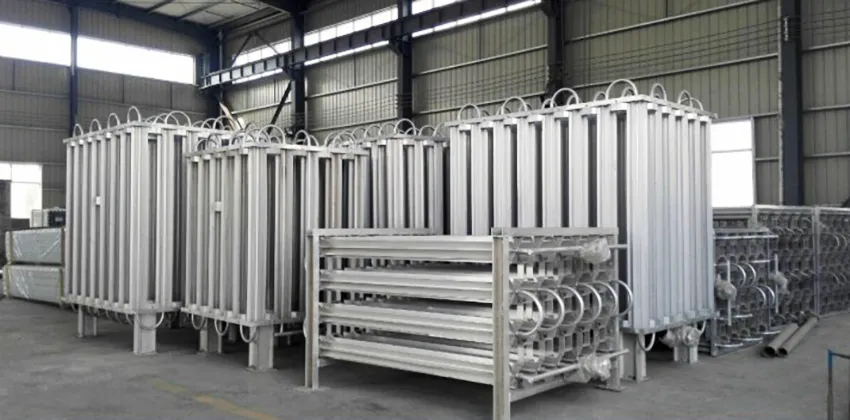
How Does an Ambient Air Vaporizer Work?
Ambient air vaporizers operate through natural convection heat transfer. Cryogenic liquid enters the vaporizer tubes, where heat from surrounding air is absorbed through the aluminum finned tube structure. The absorbed heat converts the liquid into gaseous form before being supplied to downstream equipment.
The working process includes:
- Ambient air provides the natural heat source.
- Aluminum fins increase the heat exchange surface area.
- Cryogenic liquids absorb heat and vaporize inside the tubes.
- The outlet gas temperature remains close to ambient conditions.
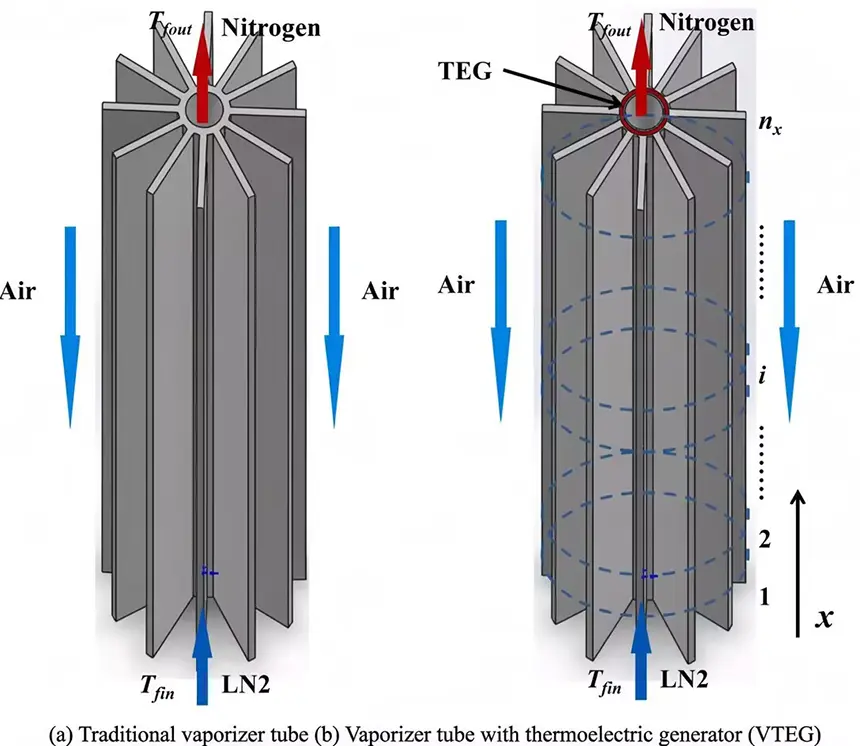
Key Components of Ambient Air Vaporizer Design
The construction of an ambient air vaporizer consists of several key components designed for efficient heat transfer, safe operation and long-term reliability.
Different applications require different vaporizer configurations. Learn more about the available types of ambient air vaporizers and their selection criteria.
1. Heat Exchange Tubes
Heat exchange tubes are the core components of ambient air vaporizers.
Cryogenic liquid flows inside the tubes while heat is transferred from surrounding air through the tube walls.
High-quality materials provide:
- Excellent thermal conductivity
- Cryogenic temperature resistance
- Corrosion resistance
- Long service life
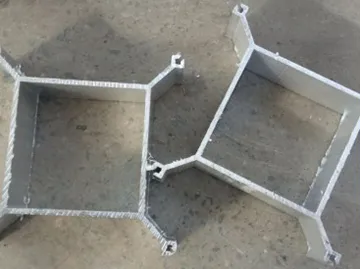
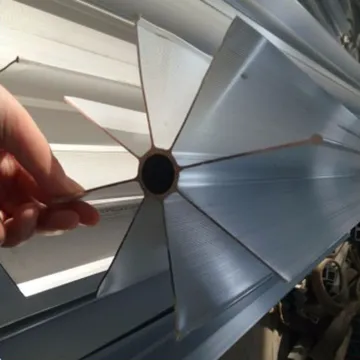
2. Aluminum Finned Tube Structure
The finned tube structure increases the heat transfer surface area compared with standard tubes.
Aluminum fins improve natural convection efficiency and enhance vaporization performance without external energy consumption.
3. Manifold and Piping System
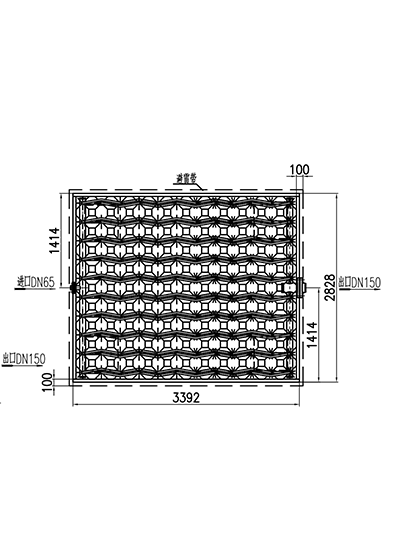
The manifold system distributes cryogenic liquid evenly through multiple heat exchange tubes and collects vaporized gas from the outlet side.
- Cryogenic liquid inlet connection
- Gas outlet connection
- Pressure-rated piping system
- Isolation valves and safety components
4. Support Frame Structure
Ambient air vaporizers are normally installed outdoors and require a strong support frame to maintain mechanical stability and withstand environmental conditions.
Materials Used in Ambient Air Vaporizer Construction
Material selection is critical for cryogenic equipment performance. Components must withstand extremely low temperatures, pressure conditions and outdoor operating environments.
| Component | Typical Material |
|---|---|
| Heat Exchange Tubes | Aluminum Alloy / Stainless Steel |
| Fins | Aluminum Alloy |
| Piping System | Stainless Steel |
| Support Frame | Coated Carbon Steel |
Important Design Parameters
Ambient air vaporizer performance depends on several important engineering parameters, including gas type, flow capacity, pressure rating and operating temperature.
Working Medium
Ambient air vaporizers can be designed for different cryogenic liquids:
- Liquid Oxygen (LOX)
- Liquid Nitrogen (LIN)
- Liquid Argon (LAr)
- Liquid Carbon Dioxide (CO₂)
- Liquefied Natural Gas (LNG)
Vaporization Capacity
The required vaporization capacity depends on gas consumption, peak demand and
continuous operation requirements. Multiple vaporizer units can be connected to
increase total gas flow capacity.
Working Pressure and Temperature
Ambient air vaporizers are designed according to specific operating conditions,
including:
- Design pressure
- Working pressure
- Cryogenic temperature range
- Ambient operating temperature
Outlet Gas Temperature
Advanced ambient air vaporizer designs maintain stable outlet gas temperature close
to ambient conditions, helping prevent icing and ensuring reliable downstream gas
supply.
Advantages of Advanced Ambient Air Vaporizer Design
- Energy Saving Operation:
Uses natural ambient air as the heat source without electricity or steam. - High Heat Exchange Efficiency:
Finned tube technology maximizes heat transfer performance. - Low Maintenance:
No moving parts reduce maintenance requirements and operating costs. - Long Service Life:
Corrosion-resistant materials provide reliable outdoor operation. - Flexible Capacity Expansion:
Multiple units can be connected for higher gas demand.
Applications of Ambient Air Vaporizer Design
Ambient air vaporizers are widely applied in:
- Industrial gas filling stations
- Cryogenic storage tank systems
- Medical oxygen supply systems
- LNG vaporization stations
- Chemical manufacturing industries
- Food and beverage CO₂ systems
- Welding and metal processing applications
Standards and Certifications
Industrial ambient air vaporizers are manufactured according to international pressure equipment and quality management requirements.
- ASME U Stamp Certification
- CE Certification
- Canada CRN Registration
- ISO 9001 Quality Management System
- ISO 14001 Environmental Management System
Ambient Air Vaporizer Manufacturer
BluNet manufactures industrial ambient air vaporizers for cryogenic gas applications, including LOX, LIN, LAr, LNG and liquid CO₂ vaporization systems.
With advanced finned tube technology, strict quality control procedures and international certifications, BluNet provides reliable vaporization solutions for industrial gas suppliers, filling stations and energy applications worldwide.
Annual production capacity reaches up to 6,000 units/sets, supporting customized ambient air vaporizer designs according to customer flow requirements and operating conditions.
Need a Reliable Ambient Air Vaporizer for Your Application?
Efficient cryogenic vaporization for reliable LOX, LIN, LAr, LNG, and liquid CO₂ supply.
TECHNICAL FAQs
FAQs About Ambient Air Vaporizer Design
An ambient air vaporizer uses natural convection heat transfer to absorb heat from surrounding air and convert cryogenic liquids into gaseous form without external energy.
Ambient air vaporizers are commonly used for liquid oxygen (LOX), liquid nitrogen (LIN), liquid argon (LAr), LNG, liquid CO₂ and other cryogenic liquids.
No. Standard ambient air vaporizers use natural air convection as the heat source and do not require electricity or steam heating during operation.
An ambient air vaporizer improves energy efficiency by using natural ambient air as the heat source instead of electricity, steam or other external heating media. This reduces operating costs and provides an environmentally friendly cryogenic vaporization solution.
Ambient air vaporizer capacity depends on factors including cryogenic liquid type, required gas flow rate, working pressure, ambient temperature, operating time and desired outlet gas temperature.

No comment