

What is Argon Gas?
Argon (Ar) is a colorless, odorless, and inert noble gas that makes up approximately 0.93% of Earth’s atmosphere. Discovered in 1894 by English physicist Lord Rayleigh and Scottish chemist William Ramsay, argon gets its name from the Greek word “Argos”, meaning “lazy” or “inactive,” reflecting its chemical stability.
Argon gas is widely classified as an inert gas or non-flammable cryogenic gas, making it essential in industrial, medical, and scientific applications.
Physical and Chemical Properties of Argon
| Property | Value |
|---|---|
| Density | 1.784 g/L |
| Molar Mass | 39.948 u |
| Boiling Point | -185.8 °C |
| Melting Point | -189.4 °C |
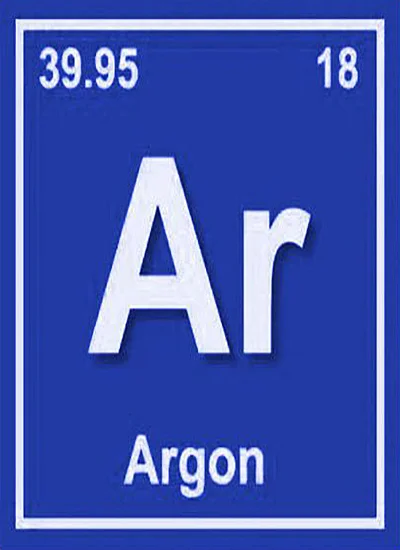
| Chemical Formula | Ar |
| Reactivity | Chemically inert (noble gas) |
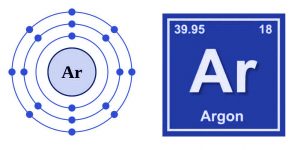
- Argon is the third most abundant gas in the atmosphere.
- While inert under normal conditions, it can form extremely fragile compounds at very low temperatures.
- Its non-reactive nature makes it ideal for inert atmospheres in welding, electronics, and laboratory applications.
Uses of Argon Gas
Medical Applications
- Argon-Enhanced Electrosurgery: Minimizes tissue damage and blood loss during surgical procedures.
- Argon Plasma Coagulation: Uses argon plasma to deliver high-frequency current for rapid, non-contact tissue coagulation.
Industrial Applications
- Lighting Industry: Standard filling gas for incandescent filament lamps and neon discharge tubes.
- Welding & Manufacturing: Provides an inert atmosphere for arc welding, semiconductor crystal growth, and metal fabrication.
Additional Uses
- Laboratory inert environments
- Preservation of sensitive materials
- Specialty electronics and cryogenic applications
Argon Gas Supply Modes
1. Compressed Gas Cylinders
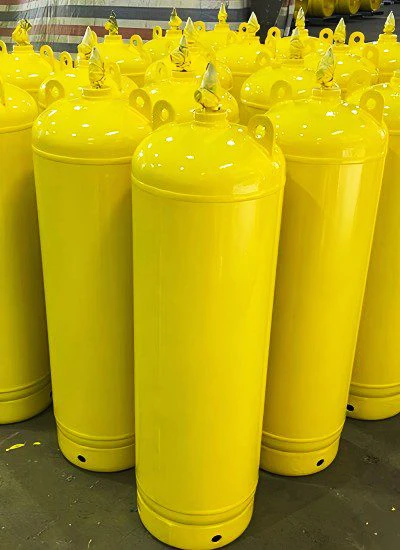
High-pressure argon gas cylinders for small to medium-scale use, offering portability and reliable supply for labs and industrial applications.
2. Liquid Cylinders / Dewars
Liquid argon cylinders and dewars for cryogenic applications, maintaining low temperatures with minimal evaporation for medical, industrial, or scientific use.
3. MicroBulk Supply
Continuous argon supply for facilities that exceed cylinder capacity, reducing waste, saving space, and lowering operational costs.
4. Bulk Deliveries
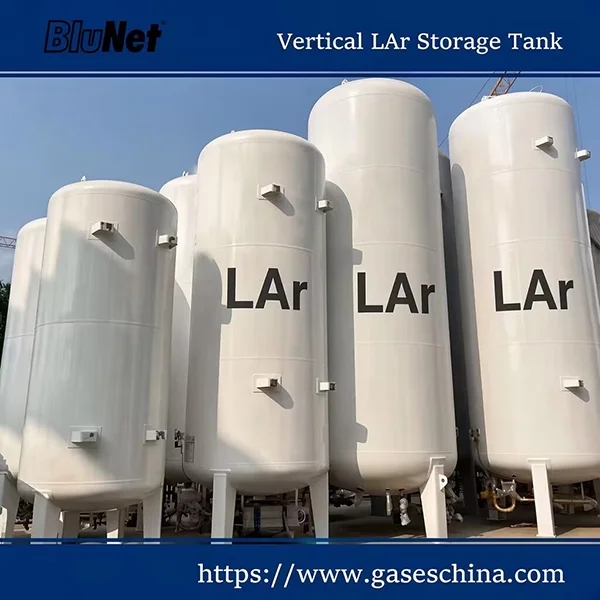
Large-scale bulk argon tanks ensure uninterrupted supply for industrial plants, manufacturing, and large laboratories.
TECHNICAL FAQs
Everything You Need to Know About Argon Gas
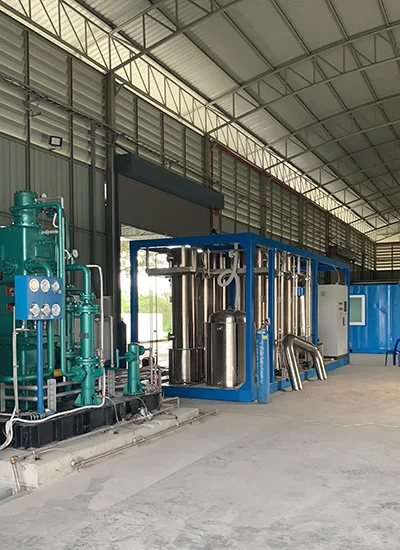
Argon is produced via fractional distillation of liquid air in cryogenic air separation units, separating it from nitrogen and oxygen to ensure high-purity argon for industrial and medical use.
Argon is non-toxic but denser than air, so it can displace oxygen in confined spaces and act as an asphyxiant. Proper ventilation is essential.
Argon is used to prevent oxidation in lamps, provide inert shielding for welding, and maintain controlled non-reactive atmospheres in cryogenic and scientific processes.
Argon is available in high-pressure compressed cylinders, cryogenic liquid cylinders or dewars, MicroBulk supply, and bulk delivery to suit various industrial and medical applications.
Yes, argon is used in medical procedures such as argon-enhanced electrosurgery and argon plasma coagulation, where its inert properties minimize tissue damage and improve precision.
Ensure proper ventilation, store cylinders and dewars upright and secured, and follow industrial or medical safety guidelines when handling argon, especially cryogenic liquids.
Commercial argon typically has a purity of 99.995% or higher for industrial and laboratory use, with ultra-high purity grades (up to 99.9999%) available for specialized scientific and semiconductor applications.
Why Choose BluNet as Your Argon Gas Manufacturer?
- High-quality argon gas meeting industrial and medical standards
- Reliable supply options: cylinders, MicroBulk, and bulk
- Experienced support for safe storage, handling, and usage
Contact BluNet today for all your argon gas needs and discover a trusted partner in inert gas solutions.
 – Properties, Uses, and Supply)
No comment