

Liquid oxygen (LOX) is a cryogenic form of oxygen used in applications that require a reliable and high-volume oxygen supply. Unlike compressed oxygen stored in cylinders, liquid oxygen is stored at extremely low temperatures in insulated cryogenic tanks and is converted into gaseous oxygen through a vaporizer when required.
The applications of liquid oxygen cover a wide range of industries, including healthcare, steelmaking, metal fabrication, chemical processing, wastewater treatment, aerospace, glass manufacturing, aquaculture, and industrial gas supply.
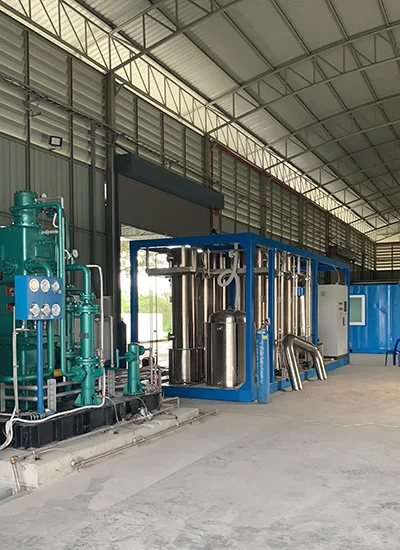
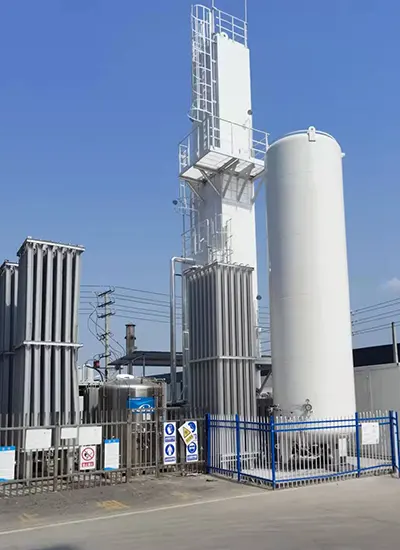
For facilities with continuous or high oxygen consumption, bulk liquid oxygen can provide an efficient way to store and distribute oxygen. A typical system consists of a Liquid Oxygen Storage Tanks, vaporizer, pressure-control equipment, valves, piping, and safety devices.
In this guide, we explain the main liquid oxygen uses, the industries that depend on LOX, and the basic considerations for liquid oxygen storage and supply systems.
What Is Liquid Oxygen?
Liquid oxygen, commonly abbreviated as LOX, is oxygen (O₂) maintained in a liquid state at cryogenic temperatures. When heat is transferred to LOX, it changes from liquid into gaseous oxygen.
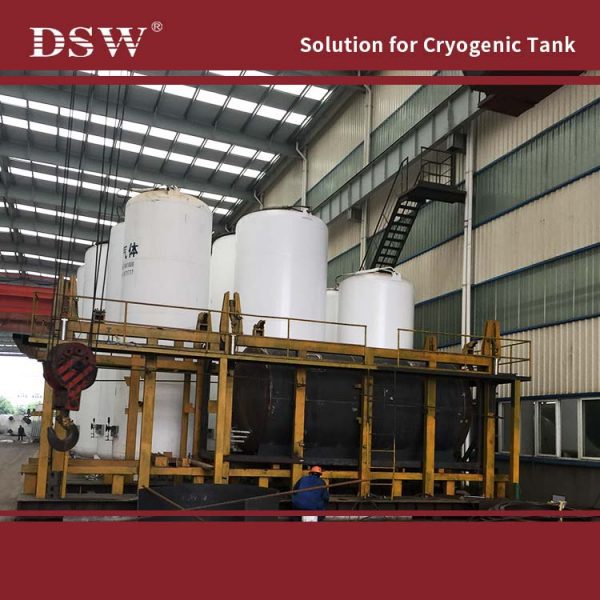
Because of its extremely low temperature, liquid oxygen requires specialized storage equipment. Bulk LOX is typically stored in double-wall, vacuum-insulated cryogenic storage tanks designed to minimize heat transfer and control pressure and evaporation.
When gaseous oxygen is needed, LOX passes through a vaporizer. The vaporizer transfers heat to the liquid and converts it into oxygen gas, which can then be regulated and distributed through an oxygen pipeline.
A typical bulk liquid oxygen system may include:
- Liquid oxygen storage tank
- Vacuum-insulated piping
- Cryogenic valves and fittings
- Pressure-building system
- LOX vaporizer
- Pressure regulators
- Safety relief devices
- Instrumentation and monitoring equipment
- Oxygen distribution pipeline
This combination allows users to store oxygen in liquid form and supply gaseous oxygen according to the requirements of the application.
Main Applications of Liquid Oxygen
Liquid oxygen is primarily used where oxygen consumption is high, continuous, or requires a dependable bulk supply. The most important LOX applications include medical oxygen supply, steel production, metal cutting, chemical processing, wastewater treatment, aerospace, glass manufacturing, and industrial gas distribution.
1. Medical and Healthcare Applications
One of the most important applications of liquid oxygen is the supply of oxygen to hospitals and healthcare facilities.
Large hospitals can have continuous oxygen requirements for respiratory care, intensive care units, emergency departments, operating rooms, anesthesia, and other medical applications. Instead of depending entirely on individual oxygen cylinders, larger facilities can use a bulk liquid oxygen system.
LOX is stored in a cryogenic tank and vaporized into gaseous oxygen before being delivered through the facility’s medical gas distribution system.
Bulk liquid oxygen can be particularly useful for healthcare facilities with high and consistent oxygen consumption because it reduces the need for frequent cylinder replacement and handling.
Common healthcare applications include:
- Hospital oxygen supply
- Intensive care units
- Emergency departments
- Operating rooms
- Respiratory therapy
- Medical oxygen distribution
- Healthcare and long-term care facilities
Medical oxygen systems require appropriate oxygen purity, equipment, installation, monitoring, and safety controls. The system should be designed according to the applicable medical gas and local regulatory requirements.
2. Steelmaking and Metal Production
Liquid oxygen is widely used in steelmaking and metal production. Oxygen can be introduced into high-temperature metallurgical processes to support refining, oxidation, combustion, and process control.
In large steel plants, oxygen demand can be substantial and continuous. A bulk LOX storage system can provide a centralized source of oxygen that is vaporized and delivered to the production process.
Potential applications include:
- Steelmaking
- Metal refining
- Foundry operations
- Iron and steel processing
- Non-ferrous metal processing
- Industrial furnace operations
For high-consumption facilities, the combination of bulk LOX storage, vaporization, and oxygen distribution can provide a dependable supply system.
3. Metal Cutting and Fabrication
Oxygen plays an important role in thermal cutting and metal fabrication. In oxy-fuel cutting, oxygen supports combustion and participates in the cutting process after the metal has been heated to the required temperature.
Industrial metal fabrication facilities may use oxygen for cutting steel plate, structural components, pipes, and other metal products.
For facilities with high oxygen consumption, liquid oxygen can be stored in a bulk cryogenic tank and vaporized before being supplied to the cutting equipment.
Common applications include:
- Steel plate cutting
- Oxy-fuel cutting
- Metal fabrication
- Shipbuilding
- Heavy equipment manufacturing
- Foundry operations
- Structural steel processing
Bulk oxygen supply can be particularly practical when oxygen demand is significantly higher than what individual cylinders can efficiently provide.
4. Chemical and Petrochemical Processing
Oxygen is an important process gas in many chemical and petrochemical applications. It can be used in oxidation reactions, combustion processes, chemical synthesis, and other industrial operations.
Large chemical facilities may require a stable oxygen supply with controlled pressure and flow. Liquid oxygen can provide a bulk source that is stored on-site and vaporized according to process demand.
Potential applications include:
- Oxidation processes
- Chemical synthesis
- Petrochemical processing
- Combustion enhancement
- Process gas supply
- Specialty chemical production
The required oxygen purity, flow rate, operating pressure, storage capacity, and vaporization capacity depend on the specific chemical process.
5. Wastewater Treatment
Wastewater treatment is another important area where oxygen can be used. Biological wastewater treatment processes depend on microorganisms to break down organic matter, and oxygen can support aerobic biological activity.
Some wastewater treatment facilities use oxygen-based systems when a controlled or concentrated oxygen supply is required.
Liquid oxygen can provide a bulk oxygen source for larger treatment facilities. The LOX is stored in a cryogenic tank, converted to gaseous oxygen through a vaporizer, and then supplied to the treatment process.
Potential advantages of an oxygen supply system include:
- High oxygen availability
- Controlled oxygen supply
- Compact bulk storage
- Support for high oxygen-demand processes
- Flexible oxygen distribution
6. Aerospace and Rocket Propulsion
One of the best-known specialized liquid oxygen applications is aerospace propulsion.
Liquid oxygen is used as an oxidizer in certain rocket propulsion systems. LOX provides a concentrated oxygen source that can support combustion with an appropriate rocket propellant.
Aerospace LOX systems have highly specialized requirements for cryogenic storage, transfer, insulation, purity, pressure control, and operational safety.
Applications can include:
- Rocket propulsion
- Launch vehicle systems
- Aerospace testing
- Propulsion research
- Spaceflight infrastructure
Because aerospace applications involve specialized propulsion systems, their LOX equipment and operating procedures differ significantly from conventional industrial oxygen installations.
7. Glass Manufacturing
Oxygen can be used in glass manufacturing to support combustion in industrial furnaces. Oxygen-enriched combustion can help manufacturers optimize furnace operation and improve combustion performance.
For facilities with significant and consistent oxygen consumption, liquid oxygen can be stored in bulk and vaporized before being supplied to the furnace or combustion system.
Applications may include:
- Container glass production
- Flat glass manufacturing
- Specialty glass production
- Glass melting furnaces
- Industrial furnace operations
8. Pulp and Paper Processing
The pulp and paper industry uses oxygen in several processing and bleaching applications.
Oxygen can participate in pulp processing and oxygen-based bleaching systems. Depending on the production process and oxygen demand, a facility may receive oxygen as compressed gas or from a bulk liquid oxygen installation.
For large paper mills with substantial oxygen requirements, a centralized LOX storage and vaporization system can provide a continuous oxygen source for production processes.
9. Aquaculture and Fish Farming
Oxygen is essential for aquatic organisms, making oxygen management an important consideration in intensive aquaculture.
High-density fish farming and recirculating aquaculture systems can have significant oxygen requirements. Supplemental oxygen can be introduced into water to help maintain suitable dissolved oxygen levels.
Liquid oxygen can serve as a bulk oxygen source where demand is high, although the storage, vaporization, and oxygen dosing system should be designed for the specific aquaculture operation.
Potential applications include:
- Fish farms
- Hatcheries
- Recirculating aquaculture systems
- Aquatic research facilities
- High-density fish production
10. Bulk Industrial Oxygen Supply
Another major application of LOX is as a bulk industrial oxygen supply.
Industrial gas distributors and large manufacturing facilities can use liquid oxygen storage systems to supply oxygen to multiple production processes or end users.
A typical system can operate as follows:
Liquid oxygen delivery → Cryogenic storage tank → Pressure-building system → Vaporizer → Oxygen distribution pipeline → End-use equipment
This arrangement allows liquid oxygen to be stored at the facility and converted into gaseous oxygen according to actual demand.
For high-consumption users, bulk liquid oxygen can reduce the handling requirements associated with large numbers of individual compressed oxygen cylinders.
Why Is Liquid Oxygen Used Instead of Compressed Oxygen?
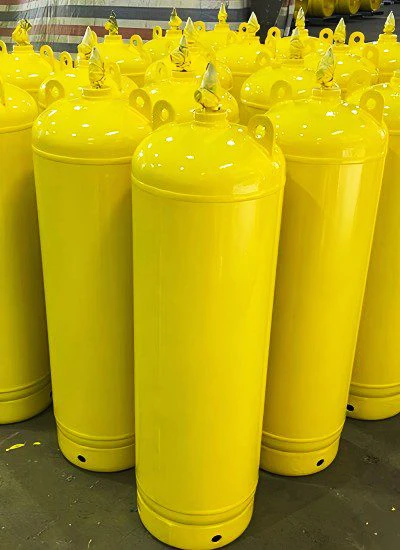
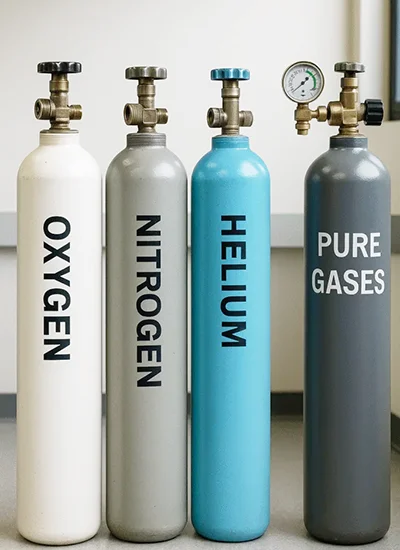
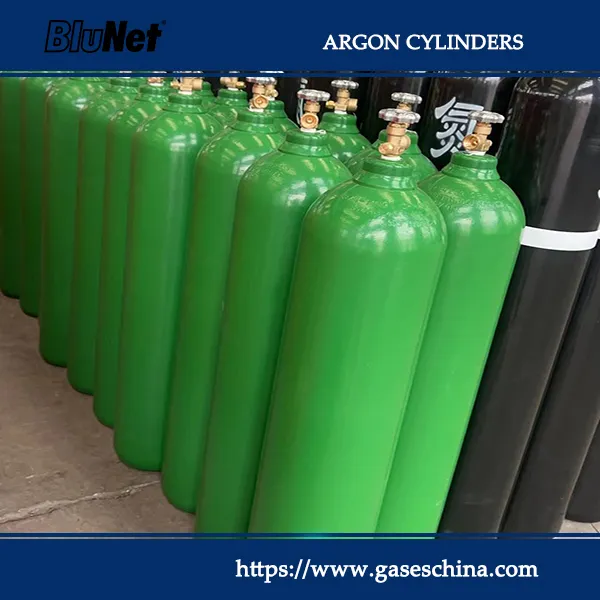
The choice between liquid oxygen and compressed oxygen depends on oxygen consumption, storage requirements, infrastructure, delivery frequency, and the application. Unlike compressed oxygen stored in gas cylinders, liquid oxygen is stored as a cryogenic liquid and converted into gaseous oxygen through a vaporizer when required.
| Comparison Factor | Liquid Oxygen | Compressed Oxygen |
|---|---|---|
| Storage Form | Cryogenic liquid | Compressed gas |
| Storage Equipment | Vacuum-insulated cryogenic tank | High-pressure cylinders or vessels |
| Typical Demand | Medium to high-volume oxygen demand | Low to moderate oxygen demand |
| Supply Method | Tank and vaporizer | Cylinder or high-pressure system |
| Bulk Storage Efficiency | High | Lower for equivalent large quantities |
| Infrastructure | Requires cryogenic equipment | Generally simpler for smaller installations |
| Common Users | Hospitals, steel mills and large industries | Workshops, laboratories and smaller users |
For facilities with high and continuous oxygen consumption, a bulk liquid oxygen system may be more appropriate. For smaller or intermittent requirements, compressed oxygen cylinders may provide greater flexibility.
How Is Liquid Oxygen Stored?
Liquid oxygen requires specialized cryogenic storage because of its extremely low temperature.
A typical liquid oxygen storage tank uses double-wall construction with insulation between the inner and outer vessels. Vacuum insulation helps minimize heat transfer from the surrounding environment and reduces unwanted evaporation.
A bulk LOX installation may include:
- Cryogenic liquid oxygen storage tank
- Vacuum-insulated piping
- Pressure-building circuit
- LOX vaporizer
- Pressure-control equipment
- Safety relief devices
- Oxygen-compatible valves and fittings
- Distribution piping
- Instrumentation and monitoring systems
The appropriate tank capacity and system configuration depend on oxygen consumption, required reserve capacity, operating pressure, vaporization rate, delivery frequency, installation conditions, and applicable standards.
Liquid Oxygen Storage Tank and Vaporizer System
A liquid oxygen storage tank is only one part of a complete LOX supply system. Most applications that require gaseous oxygen also need a vaporization system.
The storage tank holds LOX in cryogenic liquid form. When oxygen is required, the liquid flows through a vaporizer. Heat is transferred to the liquid, converting it into gaseous oxygen.
The gaseous oxygen can then pass through pressure-control equipment and enter the facility’s oxygen distribution pipeline.
This makes the combination of LOX storage tank + vaporizer + pressure-control system + distribution pipeline an important solution for large oxygen users.
When selecting a system, buyers should consider:
- Required liquid oxygen capacity
- Peak and average oxygen consumption
- Required oxygen delivery pressure
- Vaporization capacity
- Tank operating conditions
- Site installation requirements
- Oxygen service compatibility
- Applicable design and inspection standards
Liquid Oxygen Safety Considerations
Liquid oxygen requires specialized handling because it combines cryogenic temperatures with the strong oxidizing properties of oxygen.
LOX can cause severe cold-contact injuries, while oxygen-enriched environments can significantly increase combustion hazards. Equipment and operating procedures should therefore be designed specifically for oxygen service.
Use Oxygen-Compatible Equipment
Storage tanks, piping, valves, seals, fittings, and other components should be suitable for oxygen service and the intended pressure and temperature conditions.
Prevent Contamination
Oil, grease, combustible materials, and other contaminants should be kept away from oxygen systems because oxygen enrichment can significantly increase combustion risks.
Provide Suitable Ventilation
LOX storage installations should be located and designed with appropriate ventilation and safety controls based on applicable requirements.
Protect Personnel From Cryogenic Temperatures
Personnel working with liquid oxygen and cryogenic equipment should receive appropriate training and use suitable personal protective equipment for the task.
Install Pressure-Relief Protection
Cryogenic storage systems require suitable pressure-relief devices to protect the equipment against excessive pressure.
Because liquid oxygen systems can involve cryogenic temperatures, pressure, and oxygen-enriched environments, system design, installation, operation, and maintenance should be carried out by qualified professionals and in accordance with applicable regulations and standards.
How to Choose a Liquid Oxygen Storage System
Selecting the right liquid oxygen storage system requires more than choosing a tank by volume. The complete system should be matched to the user’s oxygen consumption and operating conditions.
1. Determine Oxygen Consumption
Calculate average and peak oxygen demand. This information helps determine the required storage capacity and vaporizer capacity.
2. Select the Required Storage Capacity
Tank capacity depends on oxygen consumption, delivery frequency, available installation space, and the desired reserve supply.
3. Define Operating Pressure
The storage tank, piping, valves, vaporizer, regulators, and other components must be suitable for the required operating pressure.
4. Match the Vaporization Capacity
The vaporizer should be capable of converting enough liquid oxygen into gaseous oxygen to meet the facility’s peak demand.
5. Evaluate Site Conditions
Available space, foundation requirements, delivery access, ventilation, separation requirements, piping layout, and maintenance access should all be considered before installation.
6. Confirm Applicable Standards
The storage system should be designed, manufactured, inspected, and installed according to the applicable standards and regulations for the destination market and application.
:::
Liquid Oxygen Applications by Industry
| Industry | Typical Liquid Oxygen Application |
|---|---|
| Healthcare | Bulk medical oxygen supply |
| Steel | Steelmaking and metal refining |
| Metal Fabrication | Oxy-fuel cutting and thermal processing |
| Chemical | Oxidation and process applications |
| Wastewater | Oxygen-based biological treatment |
| Aerospace | Rocket oxidizer and propulsion applications |
| Glass | Oxygen-enriched combustion |
| Pulp and Paper | Pulp processing and bleaching |
| Aquaculture | Supplemental oxygen supply |
| Industrial Gases | Bulk oxygen storage and distribution |
Liquid Oxygen vs. Other Oxygen Supply Methods
Liquid oxygen is not the only method for supplying oxygen. Depending on consumption and operating conditions, users may choose compressed gas cylinders, cylinder bundles, tube trailers, onsite oxygen generation, or bulk LOX systems.
For small oxygen requirements, individual cylinders can be practical. As oxygen consumption increases, cylinder handling and replacement can become less convenient. Bulk liquid oxygen can provide a centralized supply for facilities with higher and more consistent demand.
The best solution depends on the application, oxygen consumption, required pressure, available infrastructure, delivery logistics, and local regulations.
Why Choose a Professional Cryogenic Tank Manufacturer?
A liquid oxygen installation is a complete pressure and cryogenic system rather than simply a storage container. Selecting an experienced manufacturer can help ensure that the tank, piping connections, valves, vaporizer interface, safety equipment, and other components are properly matched to the intended application.
For international industrial buyers, important factors to evaluate include:
- Tank design and manufacturing capability
- Applicable pressure-vessel standards
- Material selection
- Welding and fabrication quality
- Inspection and testing procedures
- Vacuum insulation performance
- Safety-relief system design
- Documentation and certification
- Transportation and installation requirements
- After-sales technical support
For custom projects, the manufacturer should be provided with information such as required storage capacity, working pressure, oxygen consumption, site conditions, operating temperature, applicable standards, and delivery requirements.
Conclusion
The applications of liquid oxygen extend across healthcare, steelmaking, metal fabrication, chemical processing, wastewater treatment, aerospace, glass manufacturing, pulp and paper processing, aquaculture, and other high-consumption industries.
The primary advantage of LOX is its ability to store a substantial quantity of oxygen as a cryogenic liquid and convert it into gaseous oxygen when required. For facilities with continuous or high oxygen demand, a properly designed liquid oxygen storage tank and vaporization system can provide a reliable bulk oxygen supply.
However, liquid oxygen requires specialized cryogenic equipment and strict safety controls. Storage tanks, vaporizers, valves, piping, pressure-relief systems, and other components should be selected for oxygen service and designed for the specific operating conditions of the installation.
When evaluating a liquid oxygen storage system, the most important factors include oxygen consumption, storage capacity, operating pressure, vaporization capacity, installation conditions, applicable standards, delivery logistics, and long-term supply requirements.
For industrial buyers looking for a suitable LOX storage solution, working with an experienced cryogenic equipment manufacturer can help ensure that the system is matched to the actual application and project requirements.

No comment