


Ethylene gas (C₂H₄), also known as ethene, is a naturally occurring plant hormone that plays an important role in fruit ripening and postharvest quality. It is also an important industrial hydrocarbon used in petrochemical manufacturing, specialty gas applications and controlled agricultural processes.
In the fresh produce supply chain, ethylene influences how quickly fruit ripens, develops color, softens and eventually deteriorates. Controlled exposure is used commercially to coordinate fruit ripening, while unintended exposure during storage and transportation can accelerate quality loss and shorten the marketable shelf life of sensitive produce.
Understanding the properties of ethylene, its effects on different fruit varieties and the methods used to manage exposure is important for fruit producers, cold-storage operators, agricultural businesses and industrial gas users.
In this article:
- What is ethylene gas?
- Chemical properties of C₂H₄
- How ethylene affects fruit ripening
- Climacteric vs. non-climacteric fruits
- How ethylene affects fruit shelf life
- Sources of ethylene in storage facilities
- Methods for controlling ethylene exposure
- Commercial fruit-ripening applications
- Industrial applications of ethylene
- Frequently asked questions
1. What Is Ethylene Gas (C₂H₄)?
Ethylene, chemically known as ethene, is a simple unsaturated hydrocarbon with the molecular formula C₂H₄. It is a colorless, highly flammable gas at normal room temperature and atmospheric pressure.
In plants, ethylene functions as a gaseous phytohormone, regulating several stages of growth, development and aging. Its influence becomes particularly important during fruit maturation and ripening.
Ethylene participates in various physiological processes, including:
- Initiation and regulation of fruit ripening.
- Changes in fruit skin and flesh coloration.
- Modification of cell walls and fruit firmness.
- Development of characteristic fruit flavor and aroma.
- Changes in respiration and metabolic activity.
- Senescence, or the natural aging of plant tissues.
Unlike many other plant hormones, ethylene exists in gaseous form and can move through the surrounding atmosphere. Consequently, ethylene released by ripening produce can influence other nearby fruits that are sensitive to the gas.
Beyond agriculture, ethylene is one of the most important raw materials in the petrochemical industry. It is used to manufacture polyethylene, ethylene oxide, ethylene glycol and other chemical intermediates.
2. Chemical Properties of Ethylene Gas
The chemical and physical properties of ethylene determine its suitability for industrial manufacturing, agricultural ripening and specialized gas applications.
| Property | Description |
|---|---|
| Chemical name | Ethylene (Ethene) |
| Chemical formula | C₂H₄ |
| CAS number | 74-85-1 |
| Molecular weight | 28.054 g/mol |
| Physical state | Colorless gas under normal conditions |
| Boiling point | Approximately −103.7°C |
| Flammability | Highly flammable |
| Refrigerant designation | R-1150 |
Ethylene must be handled using suitable gas equipment and appropriate safety procedures. Its flammability makes ventilation, ignition-source control and compatible cylinder connections essential considerations in industrial and agricultural applications.
3. How Does Ethylene Gas Affect Fruit Ripening?
Ethylene acts as a biological signal that activates and regulates several processes associated with fruit maturation. As certain fruits approach physiological maturity, their internal ethylene production increases, initiating a series of biochemical changes.
These changes affect texture, color, flavor, aroma and respiration. The extent of the response depends on fruit species, cultivar, maturity stage, ethylene concentration, exposure duration and storage conditions.
3.1 Fruit Softening
One of the most visible effects of ethylene is the softening of fruit tissue. During ripening, ethylene regulates enzymes involved in modifying cell-wall components, including pectin and other structural materials.
As the cell-wall structure changes, fruit becomes softer and develops the texture associated with ripeness. This is desirable when bananas, mangoes, pears and other fruits reach consumers, but premature softening can increase bruising and handling damage during transportation.
3.2 Changes in Fruit Color
Ethylene influences pigment metabolism, including the breakdown of chlorophyll and changes in other pigments. As a result, the green appearance of many fruits gradually changes during maturation.
- Bananas: Green peel gradually changes to yellow during ripening.
- Tomatoes: Chlorophyll breaks down while red pigments develop.
- Mangoes: Skin color may change depending on the cultivar.
- Citrus fruits: Controlled ethylene exposure can promote external peel degreening.
3.3 Flavor and Aroma Development
Fruit ripening involves changes in sugars, organic acids and volatile aroma compounds. Ethylene regulates several biochemical pathways associated with these changes, helping fruit develop its characteristic flavor and aroma.
However, continued ripening beyond the desired maturity stage can lead to undesirable flavors, excessive softening and reduced eating quality.
3.4 Increased Respiration
Many climacteric fruits experience a characteristic increase in respiration during ripening. Ethylene is closely associated with this process and can stimulate the metabolic activity responsible for ripening.
As respiration increases, fruit tissues consume oxygen and release carbon dioxide. Faster physiological activity generally means that the fruit progresses more quickly toward senescence and deterioration.
4. Climacteric vs. Non-Climacteric Fruits
Different fruit varieties respond to ethylene in different ways. One of the most important distinctions in postharvest management is whether a fruit is classified as climacteric or non-climacteric.
This classification helps explain why some fruits can continue ripening after harvest, while others do not undergo the same ripening process.
4.1 Climacteric Fruits
Climacteric fruits undergo a characteristic increase in respiration and ethylene production during ripening. They can continue ripening after harvest if suitable environmental conditions are maintained.
Common examples include:
- Bananas
- Apples
- Mangoes
- Avocados
- Pears
- Peaches
- Tomatoes
External ethylene exposure can initiate or accelerate ripening in these fruits. Commercial operators take advantage of this response by harvesting mature green produce and applying ethylene under controlled conditions closer to distribution.
4.2 Non-Climacteric Fruits
Non-climacteric fruits do not exhibit the characteristic climacteric increase in respiration and ethylene production. Their normal ripening process does not continue after harvest in the same way as climacteric fruits.
Examples include:
- Strawberries
- Grapes
- Cherries
- Pineapples
- Blueberries
- Most citrus fruits
Although these fruits do not rely on ethylene for normal climacteric ripening, some are sensitive to external ethylene exposure. Unwanted exposure may accelerate senescence, discoloration or other quality changes.
| Characteristic | Climacteric Fruits | Non-Climacteric Fruits |
|---|---|---|
| Respiration | Characteristic increase during ripening | No pronounced climacteric peak |
| Ethylene production | Usually increases significantly | Generally remains lower |
| Postharvest ripening | Can continue after harvest | Does not normally continue in the same way |
| External ethylene | Can accelerate ripening | Can cause physiological changes |
| Examples | Bananas, mangoes, apples | Grapes, strawberries, cherries |
This distinction is important when planning mixed-commodity storage. Ethylene-producing fruits should be managed carefully when stored alongside produce that is sensitive to external ethylene exposure.
5. How Does Ethylene Shorten Fruit Shelf Life?
Ethylene is essential for normal fruit development, but excessive or poorly timed exposure can accelerate physiological changes before produce reaches its intended market or consumer.
In commercial storage and distribution, this can lead to premature ripening, loss of firmness, increased susceptibility to decay and reduced marketability.
5.1 Premature Ripening
External ethylene can stimulate climacteric fruits to increase their own ethylene production through a process known as autocatalytic ethylene production.
This creates a biological response in which ethylene exposure stimulates further ethylene production, accelerating the ripening process.
For example, green bananas exposed to ethylene during transportation may begin turning yellow before reaching their intended distribution destination. This reduces the remaining time available for storage, handling and retail sale.
5.2 Accelerated Senescence
Senescence is the natural aging process during which fruit tissues gradually lose their physiological quality. Ethylene can accelerate this process in climacteric and ethylene-sensitive produce.
Common symptoms include:
- Loss of firmness and tissue softening.
- Changes in peel and flesh coloration.
- Development of undesirable flavors.
- Internal browning and tissue deterioration.
- Reduced visual quality and marketability.
5.3 Increased Susceptibility to Decay
As fruit ripens and its tissues soften, its physical and physiological defenses may become less effective. Damaged or overripe tissues can provide favorable conditions for certain fungi and bacteria.
Ethylene may therefore contribute indirectly to postharvest decay by accelerating ripening and senescence. The extent of this relationship depends on the fruit species, pathogen and storage environment.
5.4 Deterioration During Transportation
Fruit intended for international distribution may pass through harvesting, pre-cooling, packaging, refrigerated transportation, warehouse storage and retail distribution.
Uncontrolled ethylene exposure during these stages can cause produce to mature earlier than planned. For exporters and importers, this may result in shorter selling periods, increased rejection rates and greater postharvest losses.
6. Sources of Ethylene in Fruit Storage Facilities
Ethylene in postharvest environments can originate from biological production and external environmental sources. Identifying these sources is important when managing storage conditions.
6.1 Natural Ethylene Production
Fresh produce naturally releases ethylene. Production rates vary according to fruit species, cultivar, maturity stage and physiological condition.
Ripening bananas, apples, mangoes and other climacteric fruits can release ethylene into the surrounding atmosphere. In enclosed storage facilities, concentrations may increase when ventilation and air exchange are insufficient.
6.2 Damaged and Decaying Produce
Physical injury, bruising, physiological stress and pathogen infection can influence ethylene production in plant tissues. Damaged or decaying produce may therefore become an additional source of ethylene within storage facilities.
Removing spoiled produce and minimizing mechanical damage are important postharvest management practices.
6.3 External Environmental Sources
Ethylene may also enter storage and distribution environments from sources such as vehicle exhaust, combustion emissions, smoke, nearby ripening facilities and other biological sources.
These potential sources should be considered when evaluating ethylene exposure in warehouses, refrigerated containers and produce distribution facilities.
7. How Can Ethylene Exposure Be Controlled?
Ethylene management involves reducing unnecessary exposure and maintaining suitable environmental conditions throughout the postharvest supply chain.
The objective is not always to eliminate ethylene. Controlled applications are sometimes necessary for commercial fruit ripening and citrus degreening. Instead, the aim is to manage concentration and exposure duration according to the specific produce and application.
7.1 Temperature Management
Temperature is one of the most important factors affecting fruit respiration, ethylene production and ripening speed.
Appropriate cold storage can slow many physiological processes and extend the storage period. However, storage temperatures must be selected according to the fruit because certain tropical and subtropical varieties are susceptible to chilling injury.
7.2 Ventilation and Air Circulation
Proper ventilation helps prevent unwanted ethylene accumulation in enclosed storage areas. Air circulation also supports more uniform temperature distribution and helps manage the atmosphere surrounding stored produce.
7.3 Separation of Ethylene-Producing and Sensitive Fruits
Mixing different fruit varieties without considering their ethylene sensitivity can create avoidable quality problems.
For example, bananas and apples can release ethylene that influences nearby sensitive produce. Where practical, separate storage areas or appropriately managed compartments should be used for different commodity groups.
7.4 Ethylene Absorption and Removal
Various technologies can reduce ethylene concentrations in postharvest environments. These include:
- Ethylene scavenging materials.
- Activated carbon-based systems.
- Potassium permanganate-based absorbers.
- Catalytic oxidation systems.
- Photocatalytic treatment technologies.
- Controlled ventilation and air exchange.
The appropriate technology depends on storage volume, ethylene generation rate, operating conditions and the required level of control.
7.5 Ethylene Monitoring
Monitoring ethylene concentration helps operators evaluate the atmosphere inside storage rooms and transportation facilities.
Gas analyzers designed for ethylene measurement can detect low concentrations, including parts-per-billion levels, depending on the instrument and measurement method.
Continuous monitoring can be useful in commercial ripening facilities, controlled-atmosphere storage systems and large-scale produce distribution operations.
8. How Is Ethylene Used in Commercial Fruit Ripening?
Although unintended ethylene exposure can reduce fruit shelf life, controlled ethylene application is an established commercial agricultural technique.
Ripening facilities use ethylene to regulate the timing and uniformity of suitable fruits, particularly bananas and mangoes. The treatment is performed under controlled environmental conditions rather than through uncontrolled exposure.
8.1 Banana Ripening
Bananas are commonly harvested at a mature but green stage. This allows them to withstand transportation and handling while retaining sufficient firmness.
At dedicated ripening facilities, ethylene is introduced under controlled conditions to initiate and coordinate ripening.
Important operating considerations include:
- Initial fruit maturity.
- Ethylene concentration and exposure duration.
- Room temperature and relative humidity.
- Air circulation and ventilation.
- Uniformity of treatment throughout the batch.
8.2 Mango Ripening
Controlled ethylene treatment is also used in commercial mango-ripening operations. It can help coordinate the ripening process and improve consistency between batches.
Results depend on cultivar, harvest maturity, temperature and treatment conditions. Operating parameters should therefore be selected according to the particular mango variety and applicable postharvest guidelines.
8.3 Citrus Degreening
Citrus fruits such as oranges and mandarins may retain green peel coloration even when they have reached an appropriate stage of internal maturity.
Controlled ethylene exposure can promote chlorophyll breakdown in the peel, improving external coloration and market presentation.
This process is known as degreening. It should be distinguished from normal climacteric fruit ripening because citrus fruits do not exhibit the same postharvest ripening behavior as bananas or mangoes.
9. Industrial Applications of Ethylene Gas
Ethylene is not only important in agriculture. It is also one of the major feedstocks used in the global petrochemical industry.
Its chemical reactivity makes it suitable for manufacturing polymers, chemical intermediates and other industrial materials.
- Polyethylene manufacturing: Ethylene is the principal monomer used to produce polyethylene for packaging, containers, pipes and industrial products.
- Ethylene oxide and ethylene glycol: Used as a feedstock for manufacturing ethylene oxide and downstream chemical products.
- Vinyl chloride production: Ethylene is used in the production chain for vinyl chloride and related PVC materials.
- Ethylbenzene and styrene: Ethylene reacts with benzene to produce ethylbenzene, an important precursor to styrene.
- Agricultural applications: Controlled ethylene exposure is used in commercial fruit-ripening and citrus-degreening processes.
- Calibration gas mixtures: Ethylene can be supplied as a component of specialized gas mixtures for analytical applications.
- Low-temperature refrigeration: Ethylene, designated R-1150, is used in certain specialized refrigeration systems.
Different applications require different gas purity levels, cylinder configurations and technical specifications. For industrial supply options, visit the BluNet Ethylene Gas category.
Need Ethylene Gas for Your Application?
BluNet supplies 99.5% and 99.95% ethylene gas in industrial cylinder configurations. Contact our team to discuss purity requirements, cylinder specifications and international supply arrangements.
10. Ethylene Gas Purity and Cylinder Supply
For industrial and agricultural applications, selecting the appropriate ethylene purity is important. Requirements depend on the intended process, equipment and technical specifications of the end user.
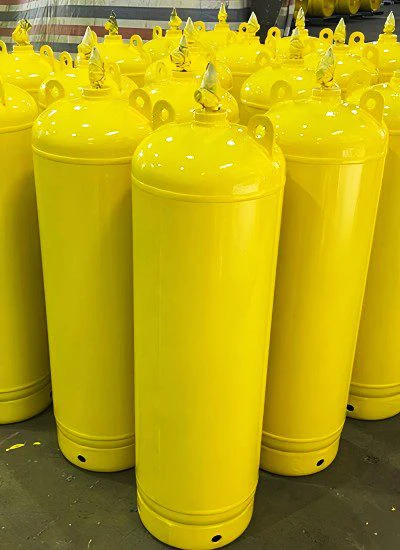
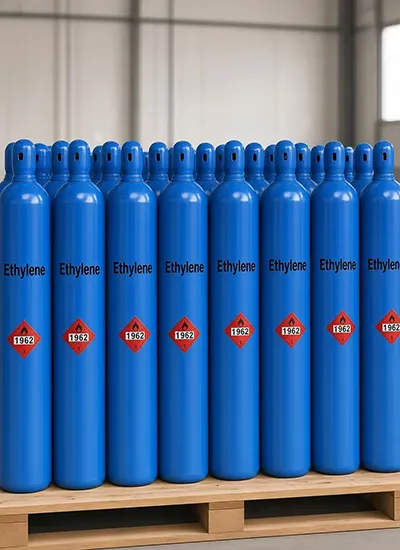
BluNet supplies ethylene gas (C₂H₄) in 99.5% and 99.95% purity grades, with standard 40–50 L cylinder configurations and customized valve options.
Different purity grades are suitable for different requirements:
- 99.5% ethylene: Industrial manufacturing, chemical processing and general-purpose applications.
- 99.95% ethylene: Applications requiring higher gas purity, including selected laboratory and calibration requirements.
Depending on the application, impurity specifications may include oxygen, nitrogen, methane, ethane, acetylene, carbon monoxide, carbon dioxide and moisture.
Cylinder capacity, valve connections, filling specifications, packaging and export documentation should be confirmed according to the destination market and applicable regulations.
For detailed specifications and product information, see Ethylene Gas C₂H₄ – BluNet.
11. Ethylene Gas Safety and Handling
Ethylene is a highly flammable hydrocarbon gas. Its storage, handling and transportation require suitable equipment and appropriate safety procedures.
Important safety considerations include:
- Store cylinders in designated, well-ventilated areas.
- Keep cylinders away from heat, sparks, flames and other ignition sources.
- Use compatible pressure regulators, valves and gas connections.
- Protect cylinders from physical damage and unauthorized access.
- Follow applicable compressed-gas storage and transportation regulations.
- Consult the product Safety Data Sheet (SDS) before handling or using ethylene.
- Ensure that personnel receive appropriate training in flammable gas handling.
Commercial fruit-ripening facilities should use properly designed gas-delivery equipment and controlled operating procedures. Ethylene should not be introduced into storage environments without an appropriate safety assessment.
12. Conclusion: Managing Ethylene for Better Fruit Quality
Ethylene (C₂H₄) plays an important role in both plant physiology and industrial manufacturing. In the agricultural supply chain, it regulates fruit ripening and influences respiration, texture, color, flavor and postharvest quality.
Controlled ethylene application allows commercial ripening facilities to coordinate the maturity of suitable fruits. However, unintended exposure can accelerate senescence, reduce firmness and shorten the marketable storage period of sensitive produce.
Understanding the relationship between ethylene concentration, exposure duration, fruit maturity and environmental conditions is therefore essential for effective postharvest management.
For industrial gas buyers, agricultural businesses and specialty gas users, selecting the appropriate ethylene purity and cylinder configuration is equally important.
BluNet supplies 99.5% and 99.95% ethylene gas in cylinder configurations for international B2B requirements. For product specifications and supply enquiries, visit our Ethylene Gas product page or contact our team.
TECHNICAL FAQs
About Ethylene Gas
Ethylene gas is used in petrochemical manufacturing, polyethylene production, ethylene oxide and ethylene glycol production, controlled fruit ripening, calibration gas mixtures and specialized low-temperature refrigeration systems.
Ethylene acts as a plant hormone that activates ripening-related biochemical processes. In climacteric fruits, external ethylene can stimulate natural ethylene production, accelerating changes in firmness, color, flavor and aroma.
Bananas, apples, mangoes, avocados, pears and peaches are examples of climacteric fruits that respond strongly to ethylene. Some non-climacteric fruits, including strawberries, grapes and cherries, can also experience undesirable effects from external exposure.
No. Its effects depend on fruit species, cultivar, maturity, ethylene concentration, exposure duration and storage conditions. Controlled applications can be beneficial for commercial ripening, while unintended exposure may accelerate deterioration in sensitive produce.
Commercial ripening facilities expose mature green bananas to controlled ethylene under managed temperature, humidity and ventilation conditions. This helps coordinate ripening before distribution and retail sale.
Ethylene (C₂H₄) and ethylene oxide (C₂H₄O) are different chemical compounds. Ethylene is a hydrocarbon used in petrochemical production and fruit ripening, while ethylene oxide is a separate chemical used in industrial manufacturing and sterilization applications.
BluNet supplies ethylene gas in 99.5% and 99.95% purity grades. Cylinder configurations and valve requirements can be discussed according to the intended application and destination market.
Yes. Ethylene is a highly flammable gas. It must be stored and handled using suitable equipment, adequate ventilation and appropriate precautions to prevent ignition and fire hazards.

No comment