


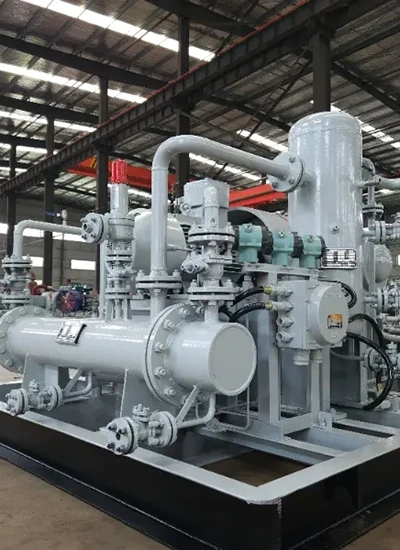
Diaphragm compressors can be classified according to their compression stages, diaphragm and drive configuration, pressure range, gas service, and application requirements. Different configurations are used for high-purity gases, high-pressure gas compression, gas filling, gas recovery, and other industrial and specialty gas applications.
In some technical contexts, diaphragm compressors are also referred to as membrane compressors. The terminology generally describes compression equipment that uses a flexible diaphragm or membrane to separate the process gas from the hydraulic or mechanical drive system.
Types of Diaphragm Compressors by Compression Stage
The number of compression stages is one of the main ways to classify diaphragm compressors. The required number of stages depends on the inlet pressure, discharge pressure, gas properties, temperature limits, and required flow rate.
Single-Stage Diaphragm Compressors
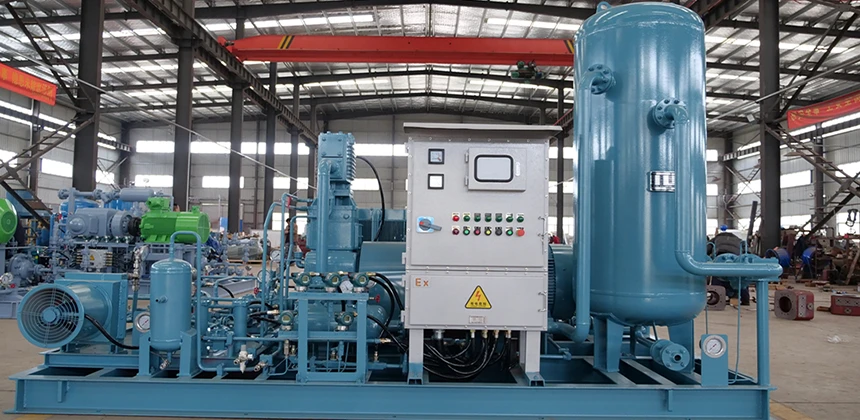
A single-stage diaphragm compressor compresses the gas through one compression stage. This configuration can be suitable when the required pressure ratio is relatively moderate and the required discharge pressure can be achieved within the allowable operating conditions of the compressor.
Single-stage configurations are commonly considered for selected industrial gas compression, gas transfer, and specialty gas applications where the required pressure and capacity can be achieved without additional compression stages.
Multi-Stage Diaphragm Compressors
Multi-stage diaphragm compressors use two or more compression stages to progressively increase gas pressure. Intermediate cooling can be used between stages to control gas temperature and improve compression efficiency.
Multi-stage configurations are commonly used for high-pressure gas compression, gas filling, hydrogen compression, specialty gas filling, and other applications requiring a high final discharge pressure.
Types of Diaphragm Compressors by Drive and Construction
Hydraulic Diaphragm Compressors
Hydraulic diaphragm compressors use hydraulic fluid to transfer the reciprocating movement of the drive mechanism to the diaphragm. A motor drives the crankshaft and hydraulic piston, while the hydraulic system moves the diaphragm inside the gas compression chamber.
The hydraulic arrangement keeps the process gas separated from the mechanical drive components and is widely used in industrial high-purity and high-pressure gas compression systems.
Single-Head Diaphragm Compressors
A single-head configuration uses one diaphragm compression head. It can be suitable for applications where the required gas capacity, pressure, and duty cycle can be handled by a single compression head.
The actual configuration depends on the gas service, required flow rate, discharge pressure, cooling requirements, and operating conditions.
Multi-Head Diaphragm Compressors
Multi-head diaphragm compressors use multiple diaphragm heads to provide the required compression capacity or operating configuration. Multiple heads may be arranged to support higher capacity, multi-stage compression, or specific system requirements.
The number and arrangement of heads are normally determined during compressor engineering based on the required gas flow, pressure ratio, gas properties, and operating duty.
Types of Diaphragm Compressors by Pressure
Diaphragm compressors are also commonly classified according to their operating pressure. The required pressure range has a direct influence on the number of stages, materials, cooling system, valves, seals, and overall compressor configuration.
Low- and Medium-Pressure Diaphragm Compressors
These compressors are designed for applications where the required discharge pressure does not require a specialized high-pressure configuration. They can be used for selected gas transfer, process gas, and industrial gas applications.
High-Pressure Diaphragm Compressors
High-pressure diaphragm compressors are engineered for applications requiring substantially higher discharge pressures. Multi-stage compression, interstage cooling, specialized valves, high-pressure sealing, and appropriate materials may be required depending on the gas and operating conditions.
High-pressure diaphragm compressors can be used for applications such as hydrogen compression, specialty gas filling, gas recovery, and high-pressure industrial gas systems.
Types of Diaphragm Compressors by Gas Application
The process gas is an important factor in selecting a diaphragm compressor. Different gases have different molecular properties, chemical characteristics, oxidation behavior, flammability, toxicity, and material compatibility requirements.
Hydrogen Diaphragm Compressors
Hydrogen diaphragm compressors are designed for applications where hydrogen must be compressed while maintaining controlled gas containment and minimizing contamination.
Depending on the system design, applications can include hydrogen filling, storage systems, recovery, and other high-pressure hydrogen processes.
Oxygen Diaphragm Compressors
Oxygen compression requires careful consideration of material compatibility, cleanliness, temperature control, ignition risk, and operating procedures. Diaphragm compressors can be configured for oxygen service when the compressor materials and design meet the requirements of the application.
Nitrogen Diaphragm Compressors
Nitrogen diaphragm compressors can be used for industrial and specialty gas applications where controlled compression and gas purity are important. The appropriate compressor configuration depends on nitrogen purity, inlet pressure, discharge pressure, flow rate, and duty cycle.
Helium and Argon Diaphragm Compressors
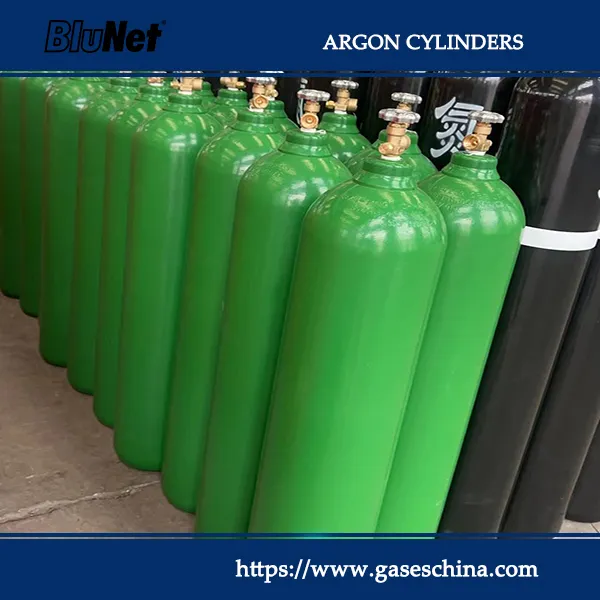
Helium and argon can be compressed using diaphragm compressor systems designed for the specific gas properties and operating conditions. Diaphragm technology can be useful where gas recovery, containment, or contamination control is important.
Carbon Dioxide and Other Process Gases
Diaphragm compressors can also be engineered for selected carbon dioxide and other process gas applications. Gas compatibility, pressure, temperature, moisture content, and materials must be evaluated before selecting the compressor.
Not every diaphragm compressor is suitable for every gas. The compressor should always be specified according to the actual gas composition and operating conditions.
Oil-Free Diaphragm Compressors
One of the main reasons diaphragm compressors are selected for industrial gas service is the physical separation between the process gas and the lubricated mechanical or hydraulic system.
The diaphragm prevents the process gas from directly contacting the lubricated drive components. As a result, diaphragm compressors can provide an oil-free gas path when properly designed and maintained.
This configuration is particularly useful for high-purity gases, specialty gases, oxygen service, hydrogen applications, and other processes where contamination must be minimized.
High-Purity Diaphragm Compressors
High-purity diaphragm compressors are configured for applications where contamination of the process gas must be carefully controlled. The compressor design may include appropriate diaphragm materials, gas-contact materials, valves, seals, surface finishes, cleaning procedures, and assembly controls.
High-purity configurations can be used for specialty gases, electronic gases, laboratory gases, medical-related gas applications, and other processes with strict gas purity requirements.
Diaphragm Compressors for Gas Filling
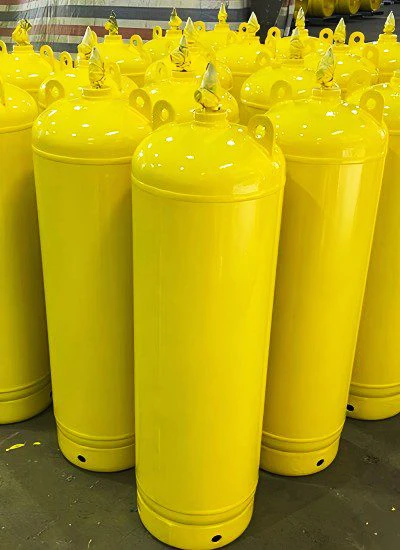
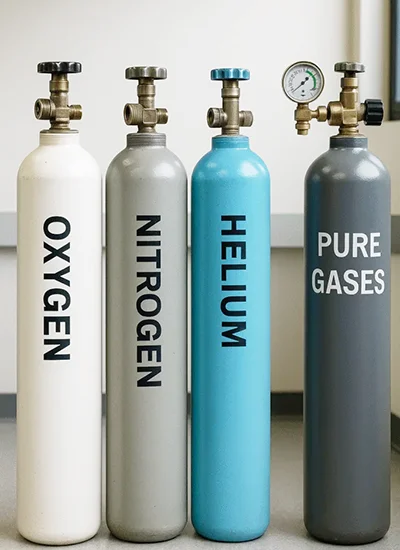
Diaphragm compressors are commonly used in gas filling systems where gas must be transferred or compressed into cylinders, storage vessels, or other high-pressure containers.
The compressor configuration depends on the gas type, cylinder or vessel pressure, required filling rate, inlet pressure, final pressure, cooling requirements, and applicable safety requirements.
For high-pressure gas filling, multi-stage diaphragm compressors are often considered because they can progressively increase the gas pressure while controlling compression temperature between stages.
Diaphragm Compressors for Gas Recovery
Diaphragm compressors can also be used in suitable gas recovery systems. The compressor collects and compresses process gas for reuse, storage, or further processing rather than allowing the gas to be vented or lost.
Gas recovery applications require careful evaluation of gas composition, suction pressure, discharge pressure, contamination, moisture, temperature, and compatibility with compressor materials.
How to Choose the Right Type of Diaphragm Compressor
The correct diaphragm compressor type depends on the complete operating requirement rather than pressure alone. The following parameters should normally be defined before selecting a compressor.
| Selection Parameter | What to Consider |
|---|---|
| Gas Type | Gas composition, purity, molecular properties, toxicity, flammability, and chemical compatibility. |
| Inlet Pressure | Gas pressure available at the compressor suction. |
| Discharge Pressure | Required final pressure and overall compression ratio. |
| Flow Rate | Required gas capacity under the actual operating conditions. |
| Number of Stages | Determined according to pressure ratio, gas properties, temperature limits, and compressor design. |
| Gas Purity | Required cleanliness, contamination limits, and gas-contact material requirements. |
| Operating Temperature | Gas temperature, compression heat, ambient conditions, and cooling requirements. |
| Duty Cycle | Continuous or intermittent operation, operating hours, and start-stop frequency. |
| Application | Gas filling, gas recovery, storage, process compression, hydrogen systems, or other applications. |
Diaphragm Compressor vs. Membrane Compressor
In industrial gas compression, membrane compressor is sometimes used as an alternative term for a diaphragm compressor because both terms refer to compression equipment that uses a flexible membrane or diaphragm to separate the process gas from the drive system.
However, diaphragm compressor is the more commonly used equipment term for industrial and high-pressure gas compression. For this reason, manufacturers and buyers should confirm the exact compressor construction and technical specifications rather than relying on terminology alone.
Types of Diaphragm Compressors for Industrial Gas Systems
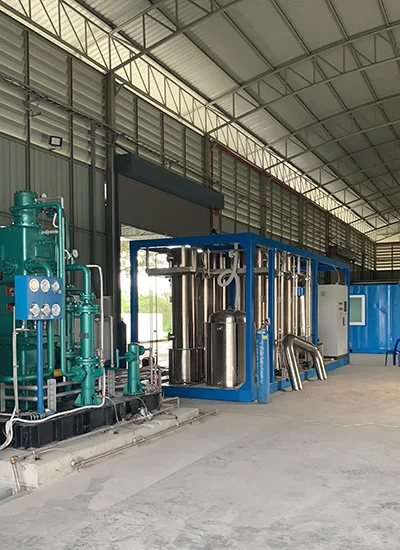
Different diaphragm compressor configurations can be integrated into industrial gas storage, filling, recovery, and supply systems. The appropriate type depends on the gas, pressure, flow rate, purity requirements, and operating conditions.
For example, a hydrogen filling system may require a high-pressure multi-stage diaphragm compressor, while a specialty gas application may prioritize an oil-free gas path and high-purity gas-contact materials. A nitrogen or argon application may require a different pressure and capacity configuration.
For industrial applications, the compressor should therefore be selected according to the complete gas service rather than choosing a compressor based only on its nominal pressure or gas name.
Diaphragm Compressor Selection for Your Application
DSW provides diaphragm compressor solutions for industrial and specialty gas applications. Compressor configurations can be evaluated according to gas type, inlet pressure, discharge pressure, flow rate, purity requirements, operating temperature, and duty cycle.
For a suitable compressor configuration, provide the gas type, gas purity, inlet pressure, required discharge pressure, flow rate, operating temperature, and application requirements.

No comment