

Noble gases are essential to modern industrial processes, from precision welding and semiconductor manufacturing to cryogenic cooling systems used in medical and scientific applications.
Their defining feature is chemical stability—they do not easily react with other elements, making them ideal for environments where contamination must be avoided.
In this guide, you will learn:
- What noble gases are and why they are inert
- Their key industrial properties
- Main applications in welding, electronics, and cryogenics
- How to choose the right noble gas for your operation
What Are Noble Gases?
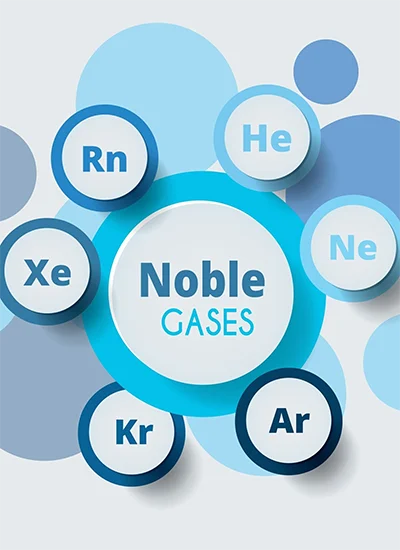
Noble gases are elements located in Group 18 of the periodic table, including helium, neon, argon, krypton, xenon, and radon.
They are known as inert gases because their atoms have a complete outer electron shell, making them extremely stable and unlikely to form chemical bonds.
Unlike oxygen (O₂) or nitrogen (N₂), noble gases exist as single atoms under normal conditions.
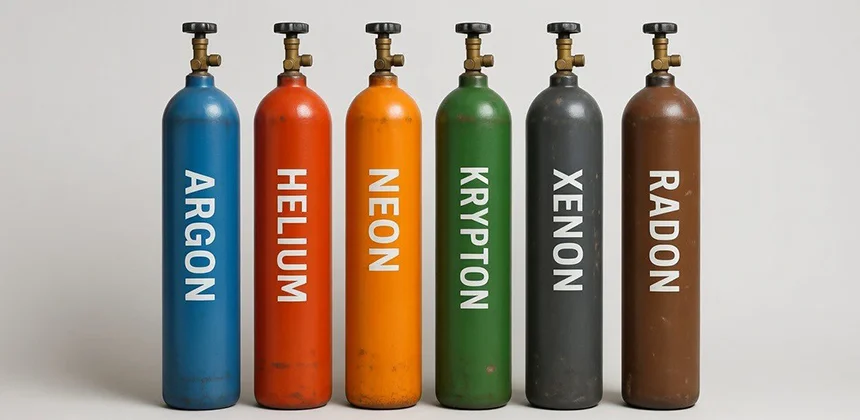
Why Noble Gases Are Chemically Inert
Full Electron Shell Stability
Noble gases are chemically stable because their outer electron shell is complete. They do not need to gain, lose, or share electrons.
This stability explains why they rarely participate in chemical reactions and remain inert in industrial environments.
Why It Matters in Industry
- Prevents oxidation during metal processing
- Eliminates contamination in manufacturing
- Ensures stable and repeatable production results
Industrial Applications of Noble Gases
Welding and Metal Fabrication
Argon and helium are widely used as shielding gases in welding and metal-fabricating processes.
- Argon Gas: cost-effective shielding gas for MIG/TIG welding
- Helium Gas: deeper penetration and higher heat input
They protect molten metal from oxygen and moisture, ensuring clean and strong welds.
Metal Processing and Heat Treatment
Argon is used to create an inert atmosphere during heat treatment and annealing, preventing oxidation and improving material consistency.
Semiconductor Manufacturing
Ultra-high purity noble gases are essential in semiconductor production, where even trace contamination can damage microchips and reduce yield.
Cryogenic Applications of Noble Gases
Liquid Helium and Extreme Cooling
Helium liquefies at approximately -269°C (4K), making it essential for cryogenic systems and superconducting applications.
It is widely used in MRI machines, scientific research, and quantum physics experiments.
- MRI superconducting magnet cooling
- Ultra-low temperature research
- Advanced material testing
Storage and Handling
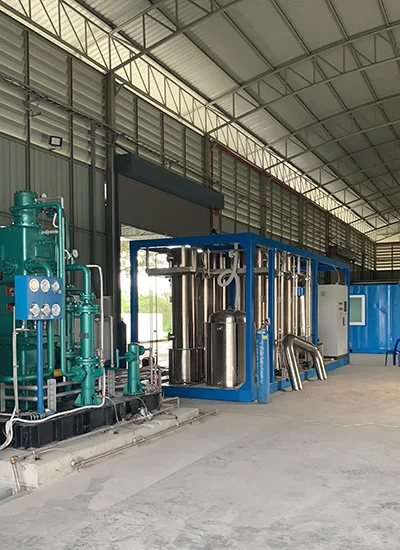
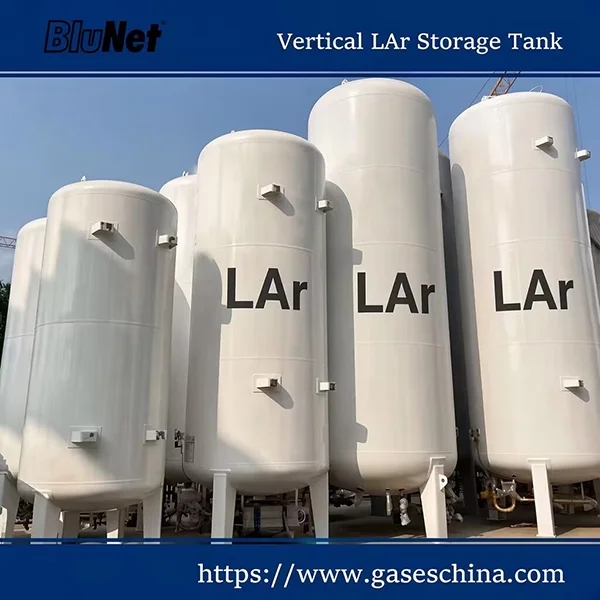
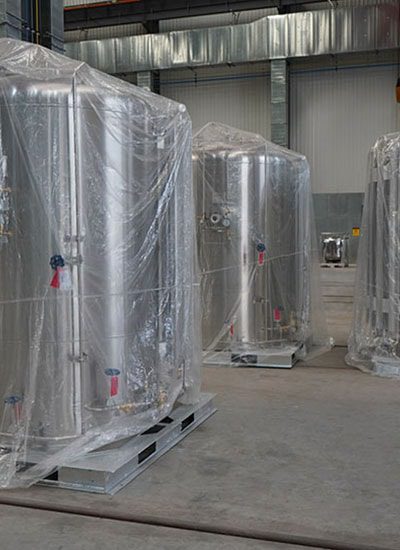
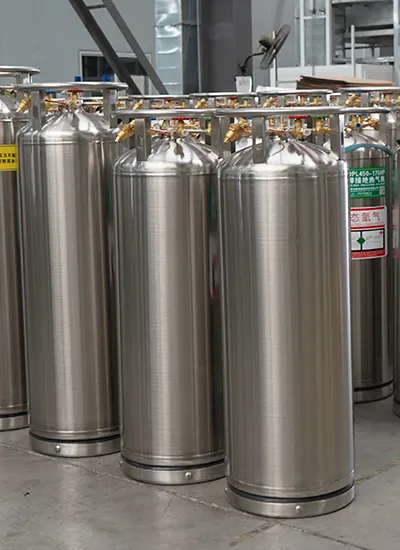
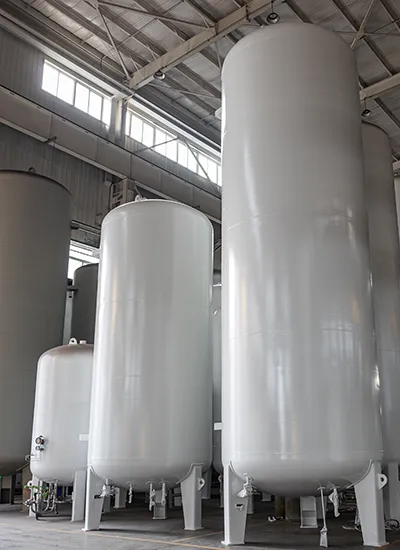
Helium is typically stored in cryogenic tanks and dewars to maintain stability and minimise losses during transport and usage.
Noble Gases in Lighting Applications
- Neon: red-orange glow for signage
- Xenon: high-intensity white light for projectors and automotive lighting
- Argon: used in fluorescent and plasma lighting systems
How to Choose the Right Noble Gas
Selection Guide
- Argon: general industrial welding and shielding
- Helium: cryogenics and high-performance applications
- Neon / Xenon / Krypton: specialised lighting and electronics
Key Considerations
- Required gas purity level
- Application temperature and environment
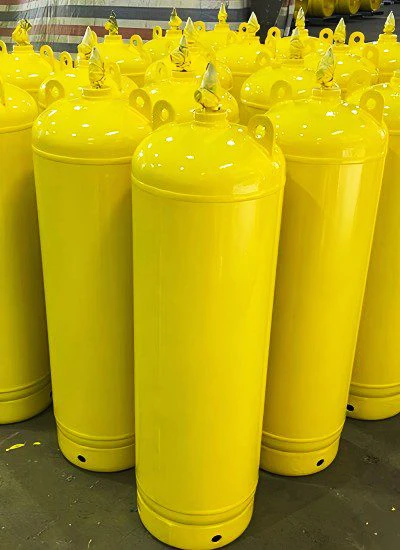
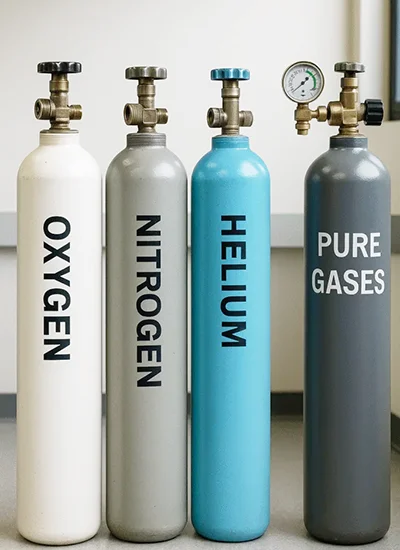
- Storage method (cylinders, dewars, bulk tanks)
- Consumption volume and supply stability
Need Reliable Industrial Gas Supply?
Whether you need high-purity gases and cryogenic solutions for welding, semiconductor,
Conclusion
Noble gases play a vital role in modern industry due to their unique chemical stability and inert nature.
From welding and semiconductor manufacturing to cryogenic cooling systems, they ensure higher process stability, reduced contamination risk, and improved production efficiency.
Choosing the right noble gas and supply system is essential for maintaining consistent industrial performance and operational safety.
TECHNICAL FAQs
FAQs about Noble Gases, Uses, and Properties
Noble gases are widely used in welding, metal processing, semiconductor manufacturing, and cryogenic systems. Their inert nature prevents oxidation and contamination in sensitive industrial processes.
Noble gases are called inert gases because they have a complete outer electron shell, making them chemically stable and unlikely to react with other elements under normal conditions.
Argon is the most commonly used noble gas in welding due to its cost-effectiveness and excellent shielding properties. Helium is used for applications requiring higher heat input and deeper weld penetration.
Helium is used in cryogenic applications because it can reach extremely low temperatures of around -269°C. It is essential for cooling superconducting magnets in MRI machines and scientific research systems.
Argon is widely used because it is abundant, cost-effective, and chemically inert. It protects materials from oxidation during welding, heat treatment, and other industrial manufacturing processes.
Noble gases are stored in high-pressure cylinders, dewars, or cryogenic tanks depending on the application. Helium and other cryogenic gases require specialised storage systems to maintain stability and reduce losses.

No comment