

Cryogenic ISO tank containers are designed for the intermodal transportation of liquefied industrial gases under controlled pressure and temperature conditions. BluNet provides cryogenic tank container solutions for industrial gas distributors, energy projects, logistics operators and international bulk gas transportation.
Combining a pressure vessel, vacuum insulation system, ISO frame, piping and safety devices, cryogenic ISO tank containers support the transportation of liquefied gases between production facilities, terminals and end users. Each configuration must be selected according to the transported medium, capacity, operating conditions and applicable transportation regulations.
Explore our cryogenic tank containers for product options and application information.
What Is a Cryogenic ISO Tank Container?
A cryogenic ISO tank container is a transportable, insulated pressure vessel integrated into a standardized intermodal frame. Unlike conventional chemical ISO tanks, it is specifically designed to handle refrigerated liquefied gases at very low temperatures.
The tank generally uses a double-wall construction with vacuum insulation to minimize heat transfer into the inner vessel. Product-specific valves, piping, pressure-control equipment and safety devices support filling, transportation and discharge operations.
The ISO frame facilitates handling and transportation by road, rail and sea, subject to the container’s approved design and the requirements of each transport mode.
For a broader technical explanation, see our ISO Tank Container Guide.
Applications of Cryogenic ISO Tank Containers
Liquid Nitrogen ISO Tank Containers
Liquid nitrogen (LIN or LN₂) ISO tank containers support bulk nitrogen distribution for industrial manufacturing, food processing, electronics production and other applications requiring a reliable supply of refrigerated liquid nitrogen.
Liquid Oxygen ISO Tank Containers
Liquid oxygen (LOX) tank containers are used in industrial gas supply chains, including oxygen distribution for manufacturing and other approved applications. Oxygen service requires suitable materials, cleanliness controls and equipment specifically configured for oxygen compatibility.
Liquid Argon ISO Tank Containers
Liquid argon (LAr) ISO tank containers support bulk argon transportation for welding, metal processing and other industrial applications. Appropriate insulation and pressure-control systems help maintain the required operating conditions throughout the transport cycle.
LNG ISO Tank Containers
Liquefied natural gas (LNG) ISO tank containers support LNG distribution between production facilities, terminals, industrial users and other suitable receiving locations. Design requirements depend on LNG service conditions, required capacity, transportation routes and applicable regulations.
Other refrigerated liquefied gases may be considered when the tank design, materials, pressure rating and approvals specifically permit the intended service.
Cryogenic ISO Tank Container Design and Manufacturing
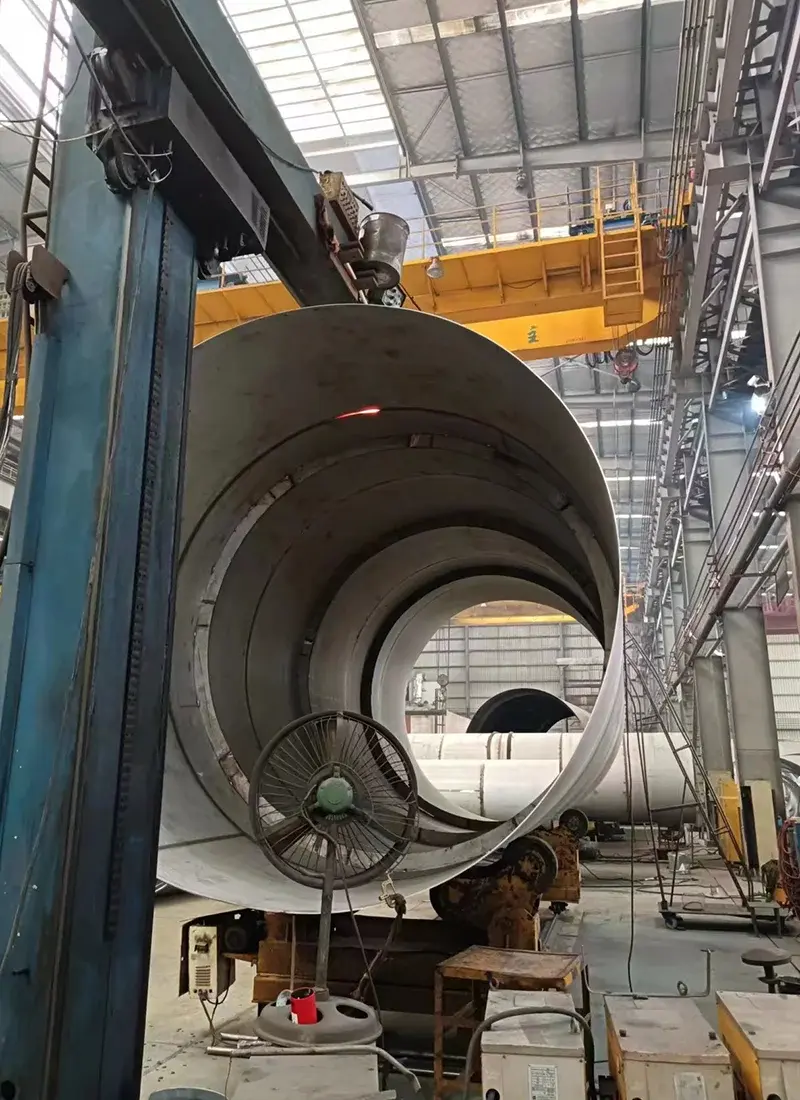
Cryogenic ISO tank container engineering integrates pressure-vessel design, thermal insulation, structural support and transport safety. Key considerations include the following.
1. Inner Vessel and Pressure-Vessel Design
The inner vessel must be designed for the specified product, design pressure, operating temperature and filling conditions. Material selection, welding procedures, inspection requirements and pressure-vessel calculations must comply with the applicable design code and approved technical documentation.
2. Vacuum Insulation System
The insulation system minimizes heat ingress and helps maintain cryogenic operating conditions during transportation. Depending on the design, the annular space may incorporate high-vacuum insulation and multilayer insulation materials.
3. ISO Frame and Structural Integration
The supporting frame provides structural interfaces for lifting, securing and intermodal handling. Frame dimensions, load distribution and structural requirements must be compatible with the container configuration and relevant approvals.
4. Piping, Valves and Safety Equipment
Filling and discharge lines, isolation valves, pressure-building equipment, pressure-relief devices and instrumentation are selected according to the transported medium and operating requirements. The arrangement should support safe loading, unloading, inspection and maintenance.
5. Manufacturing Quality Control and Testing
Quality assurance may include material traceability, dimensional inspection, welding inspection, pressure and leak testing, vacuum-system verification, safety-device checks and final documentation review. The exact inspection and testing scope depends on the approved tank design and applicable certification requirements.
Cryogenic ISO Tank Manufacturing Technology
| Manufacturing Technology | Purpose |
|---|---|
| Pressure Vessel Welding | Creates the pressure boundary and maintains structural integrity |
| Vacuum Insulation | Reduces heat transfer and cryogenic product loss |
| Multilayer Insulation | Improves thermal insulation performance in the vacuum space |
| Precision Piping Assembly | Provides controlled filling, discharge, pressure building and gas handling |
| Pressure Relief Systems | Provides controlled pressure protection during operation and transportation |
| Leak Detection | Verifies pressure boundary and insulation-system integrity |
| Dimensional & Structural Inspection | Confirms frame geometry and mechanical requirements |
Cryogenic ISO Tank Container Specifications
Cryogenic ISO tank containers are not defined by one universal specification. Capacity, working pressure, design temperature, payload, tare weight and insulation performance vary by model and intended service.
| Specification | Key Considerations |
|---|---|
| Tank Type | T75 or another applicable approved portable-tank specification. |
| Container Format | 20 ft or another available configuration. |
| Transported Medium | LIN, LOX, LAr, LNG or another approved product. |
| Vessel Materials | Suitable for the product, temperature and pressure. |
| Working Pressure | Specified according to the tank model and operating requirements. |
| Design Temperature | Selected for the intended cryogenic service. |
| Insulation | Vacuum insulation with the specified thermal insulation system. |
| Valves and Connections | Configured for the product and transfer system. |
| Certification | Applicable design codes, inspections and transport approvals. |
For a quotation, provide the transported gas, required capacity, working pressure, destination market, transport modes and certification requirements to determine a suitable configuration.
Standards and Transportation Compliance
Cryogenic ISO tank containers may be subject to pressure-vessel, portable-tank, intermodal-container and dangerous-goods transportation requirements. Applicable standards depend on the tank design, cargo classification, destination and transport route.
Depending on the project, relevant requirements may include ISO 1496-3 for freight containers, applicable portable-tank design standards, ASME pressure-vessel requirements where specified, and the relevant ADR, RID and IMDG transportation rules.
These standards and regulations are not interchangeable and do not automatically apply to every tank. The required design code, approvals, inspections and certification must be confirmed for the specific product and intended service before manufacture and shipment.
| Standard / Regulation | Typical Relevance |
|---|---|
| ISO 1496-3 | Container requirements for tank containers |
| ISO 668 | Container dimensions and classifications |
| ADR | International road transportation of dangerous goods in applicable regions |
| RID | International rail transportation of dangerous goods |
| IMDG Code | International maritime transport of dangerous goods |
| CSC | Safety requirements for containers used in international transport |
| ASME | Pressure vessel design and fabrication where specified |
Actual certification and approval requirements are determined according to the final design, product classification, jurisdiction, and intended transportation routes. Third-party inspection can be arranged where required.
Advantages of Cryogenic ISO Tank Container Transportation
- Intermodal transportation: A standardized frame supports handling across compatible road, rail and sea transportation networks.
- Thermal insulation: Vacuum insulation helps reduce heat ingress during transportation.
- Bulk gas distribution: Suitable configurations support the movement of liquefied industrial gases between production, storage and receiving facilities.
- Product-specific engineering: Vessel design, pressure-control equipment and connections can be selected according to the intended service.
- Logistics flexibility: Approved tank containers can support international supply chains and distribution networks.
Actual performance depends on the tank design, transported gas, operating conditions, transport duration and handling procedures.
ISO Tank Container Manufacturing vs. Conventional Bulk Transport
| Factor | ISO Tank Container | Conventional Bulk Transport |
|---|---|---|
| Transport Modes | Road, rail and marine | Depends on equipment |
| Cargo Handling | Intermodal handling without transferring cargo | May require additional transfer operations |
| Cryogenic Insulation | Available with vacuum-insulated construction | Configuration dependent |
| Mobility | Designed for intermodal logistics | Often dedicated to a transport method |
| Bulk Capacity | Suitable for bulk transportation | Varies by transport system |
These containers are not interchangeable. A conventional chemical ISO tank must not be used for cryogenic service unless its design and approvals specifically permit that application.
Cryogenic ISO Tank Containers for International Gas Logistics
Cryogenic ISO tank containers provide an intermodal option for transporting liquefied gases between production facilities, ports, distribution terminals and end users. Their standardized frame supports handling across compatible transport networks, while the insulated pressure vessel is engineered for the required product conditions.
Equipment selection should consider the gas, required capacity, operating pressure, temperature, transport route, loading and unloading arrangements, and applicable regulations. A suitable configuration helps align transportation requirements with the receiving facility’s storage and transfer systems.
For more information about related equipment and transport methods, explore our cryogenic transportation guide and our cryogenic tank manufacturing capabilities.
Why Choose BluNet for ISO Tank Manufacturing?
| Capability | Customer Benefit |
|---|---|
| Pressure Vessel Engineering | Integrated vessel design for pressure and temperature requirements |
| Cryogenic Technology | Vacuum insulation and thermal-performance engineering |
| ISO Frame Manufacturing | Intermodal transportation and handling compatibility |
| Integrated Assembly | Tank, frame, valves, piping and safety systems supplied as one engineered unit |
| Testing & Inspection | Verification of pressure, leakage, structural and thermal performance |
| Custom Engineering | Configurations adapted to product, capacity, pressure and transport requirements |
Request a Cryogenic ISO Tank Container Quotation
BluNet provides cryogenic ISO tank container solutions for industrial gas transportation projects. We can review your application requirements and help identify an appropriate configuration based on the intended service and applicable technical requirements.
When submitting an inquiry, please include:
- Type of liquefied gas to be transported
- Required tank capacity and container format
- Working pressure and design temperature, if specified
- Destination country and transportation modes
- Required standards, certificates and third-party inspections
- Estimated order quantity and delivery schedule
Contact BluNet to discuss your cryogenic ISO tank container requirements and request a project-specific quotation.
Request an ISO Tank Container Manufacturing Solution
Tell us the product, required capacity, working pressure, operating temperature, transportation route, and certification requirements. BluNet can provide an engineered ISO tank container configuration for your application.