

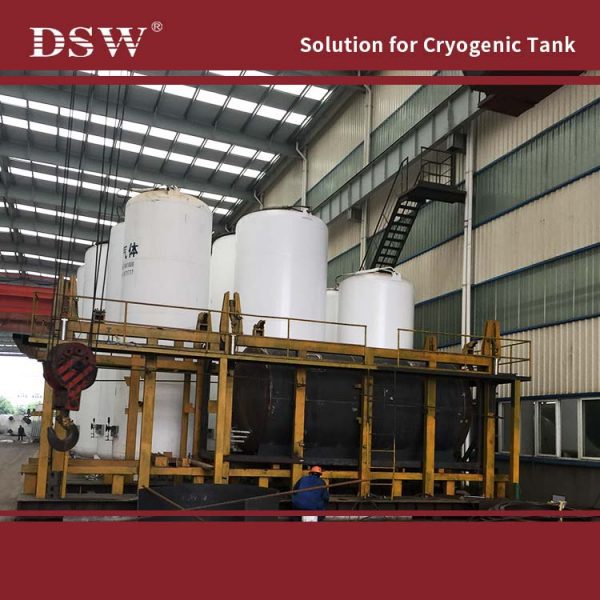
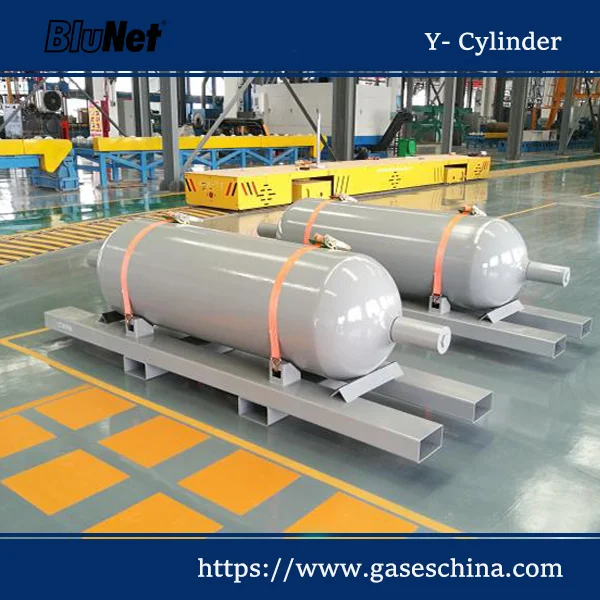
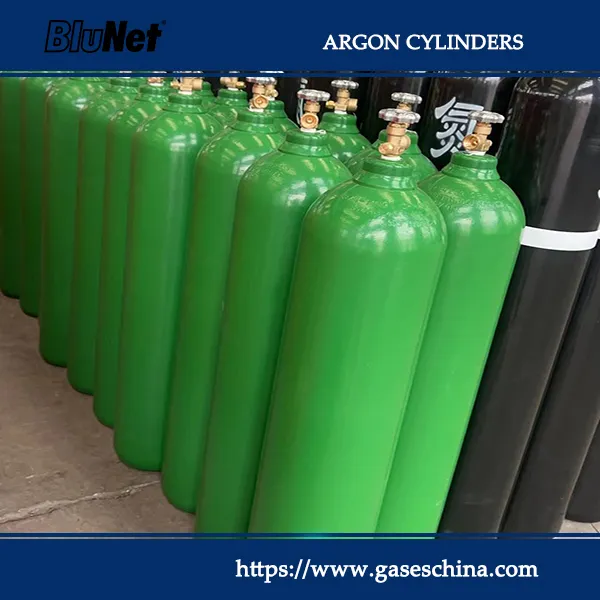
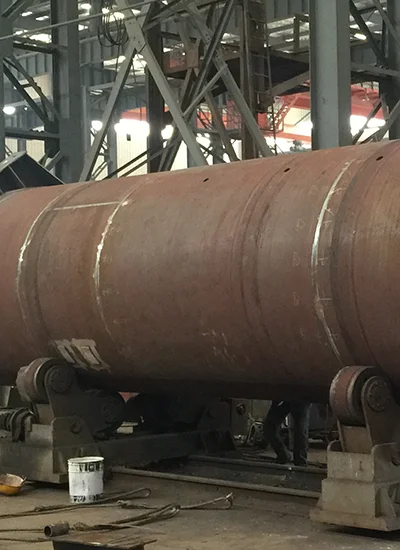
Cryogenic tanks are critical pressure vessels used for storing liquefied gases such as LNG, liquid nitrogen (LN₂), oxygen (LOX), and argon at extremely low temperatures. Although these systems are engineered for durability under standards such as ASME and ISO, corrosion remains one of the most important long-term integrity risks in cryogenic storage systems.
This article is part of a Cryogenic Tank Engineering Guide Series, focusing on corrosion mechanisms, prevention strategies, and maintenance practices for industrial cryogenic systems.
What Is Corrosion in Cryogenic Tanks?
Corrosion in cryogenic tanks refers to the electrochemical degradation of metals caused by moisture, oxygen, contaminants, or residual chemicals.
Even under cryogenic conditions, corrosion typically occurs in external surfaces, weld joints, insulation interfaces, and maintenance-exposed areas.
- Pitting corrosion
- Stress corrosion cracking
- Crevice corrosion
- Galvanic corrosion
- Oxidation of exposed metal surfaces
Main Causes of Cryogenic Tank Corrosion
1. Material Selection and Metallurgy
The corrosion resistance of a cryogenic tank depends heavily on material quality and microstructure.
- Low-grade stainless steel impurities
- Poor welding or heat treatment
- Rough or porous surface structure
Common materials include 304/316L stainless steel and aluminium alloys with passivated surfaces.
2. Environmental Exposure
- Moisture and condensation cycles
- Industrial atmospheric pollutants
- Acidic or alkaline contamination
- Poor ventilation in storage environments
3. Operational and Maintenance Factors
- Incomplete cleaning after gas discharge
- Vacuum insulation failure
- Coating damage
- Irregular inspections
Cryogenic Tank Corrosion Prevention Methods
1. Use Cryogenic-Grade Materials
- 304 / 316L stainless steel
- Aluminium alloys
- Full material traceability (MTC)
2. Apply Surface Protection Technologies
- Chemical passivation
- Electropolishing
- Epoxy / polyurethane coatings
- Thermal spray aluminium (TSA)
- Weld seam polishing
3. Control Environmental Conditions
- Dry and ventilated storage
- Avoid chloride-rich environments
- Protect insulation systems
- Ensure drainage systems
4. Inspection and NDT Programs
- Ultrasonic testing (UT)
- Radiographic testing (RT)
- Dye penetrant testing (PT)
- Vacuum integrity testing
5. Cleaning Procedures
- Remove acidic/alkaline residues
- Use stainless-compatible cleaning agents
- Avoid abrasive tools
- Ensure complete drying
6. Monitor Operational Conditions
- Maintain pressure limits
- Avoid thermal cycling
- Purge reactive gases
- Monitor gas purity
Engineering Best Practices
Design Stage: corrosion-resistant materials, smooth geometries, weld accessibility
Manufacturing Stage: controlled welding, certified surface treatment, full pressure testing
Operational Stage: inspection schedules, environmental control, continuous monitoring
Cryogenic Tank Corrosion Risk Checklist
- Certified cryogenic-grade materials used
- Surface passivation completed
- Welds inspected and tested
- Insulation integrity verified
- Moisture exposure controlled
- Regular NDT inspections performed
- Chemical residues removed
- Pressure and temperature monitored
TECHNICAL FAQs
About Cryogenic Tank Corrosion Prevention
Corrosion in cryogenic tanks occurs primarily on external surfaces, weld seams, and insulation breach points where moisture, oxygen, and industrial contaminants accumulate. Although cryogenic temperatures slow chemical reactions, corrosion continues due to condensation cycles, environmental exposure, and maintenance-related surface damage.
The most common corrosion locations in cryogenic pressure vessels include weld joints, heat-affected zones, valve connections, flange interfaces, and external shell areas exposed to humidity or insulation failure. These zones are more vulnerable due to microstructural stress concentration and moisture retention.
Austenitic stainless steels such as 304 and 316L, along with aluminium alloys, are widely used in cryogenic tank manufacturing due to their excellent low-temperature toughness and corrosion resistance. These materials form stable passive oxide layers that reduce electrochemical degradation under industrial conditions.
Corrosion in cryogenic storage systems is typically detected using non-destructive testing methods such as ultrasonic thickness measurement (UT), dye penetrant testing (PT), radiographic inspection (RT), and vacuum insulation integrity testing. These methods are aligned with ASME pressure vessel maintenance practices.
No. While vacuum insulation and thermal barriers significantly reduce environmental exposure, they cannot fully eliminate corrosion risk. Moisture ingress, insulation failure, or coating damage can still expose metal surfaces to corrosive conditions over time.
The most effective corrosion prevention strategy combines certified cryogenic-grade materials, surface passivation or electropolishing, controlled environmental storage conditions, and structured inspection programs. This lifecycle approach aligns with ASME and ISO pressure vessel safety standards and significantly extends service life.
Carbon fiber gas cylinders are used in hydrogen fuel systems, CNG vehicles, SCBA breathing apparatus, aerospace applications, and other high-pressure mobile gas storage systems where lightweight design is important.
Practical Tips to Prevent Corrosion
Implementing proper corrosion prevention strategies is essential for ensuring the long-term reliability and safety of cryogenic liquid tanks.
- Choose the Right Materials: Use tanks made of stainless steel or corrosion-resistant alloys for maximum durability.
- Apply Protective Coatings: Anti-corrosion coatings or surface passivation treatments enhance long-term resistance.
- Regular Inspection and Maintenance: Schedule routine checks for cracks, pitting, and surface damage using approved NDT methods.
- Proper Cleaning: Remove any acidic, alkaline, or reactive chemical residues after use to prevent chemical-driven corrosion.
- Controlled Storage Environment: Keep tanks in dry, ventilated areas to minimise moisture exposure and environmental contamination.
- Monitor Internal Pressure and Conditions: Avoid prolonged exposure to reactive gases and maintain stable operating conditions.
By implementing these preventive measures, operators can extend the service life of cryogenic liquid tanks, ensure safe and stable operation, and significantly reduce the risk of costly downtime and structural failure.

No comment