

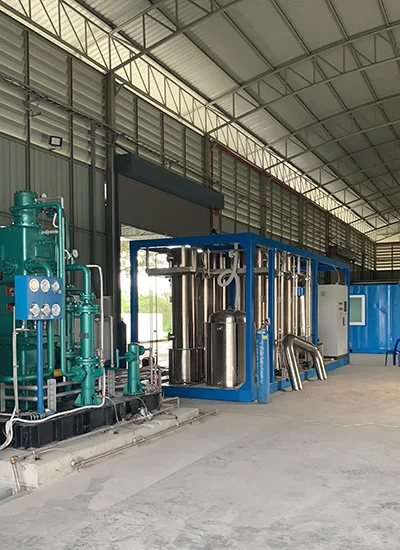
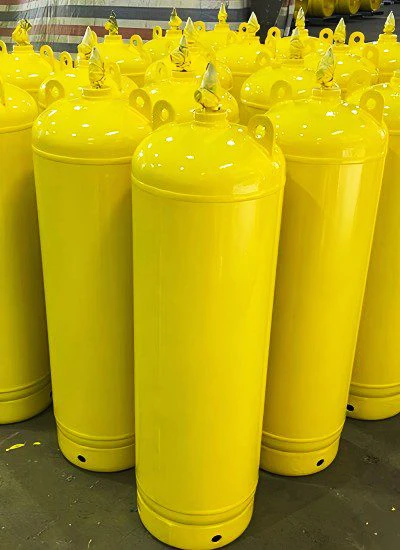
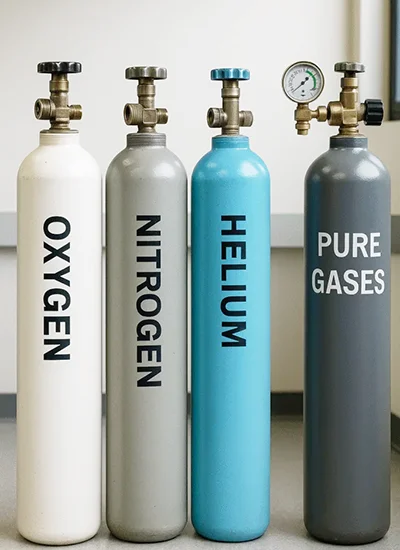
A cryogenic unit is an engineered system used to liquefy, store, transfer, vaporize, or otherwise process gases at extremely low temperatures. Depending on the application, a cryogenic unit may include cryogenic storage tanks, heat exchangers, cryogenic pumps, vaporizers, vacuum-insulated piping, valves, instrumentation, and safety systems.
Cryogenic units are used throughout industrial gas production, LNG infrastructure, healthcare, electronics manufacturing, food processing, chemical industries, and scientific research. By controlling temperature, pressure, heat transfer, and fluid flow, these systems enable gases such as nitrogen, oxygen, argon, natural gas, hydrogen, and helium to be handled efficiently in liquid or gaseous form.
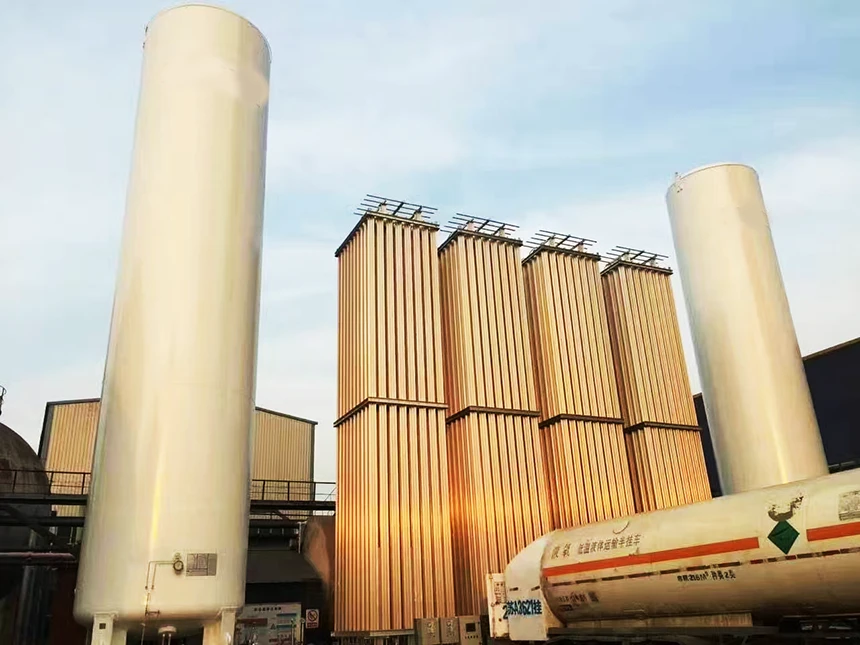
What Is a Cryogenic Unit?
A cryogenic unit is a specialized system designed to operate with fluids at very low temperatures, generally below −150°C (−238°F). Depending on its purpose, the system may cool and liquefy gases, maintain cryogenic liquids in storage, transfer liquids between vessels, or vaporize cryogenic liquids for downstream use.
Unlike a single piece of equipment, a cryogenic unit normally consists of several interconnected components. These may include cryogenic tanks, heat exchangers, pumps, vaporizers, insulated piping, valves, pressure-control equipment, instrumentation, and safety devices.
The exact configuration depends on the gas being handled and the intended application. A large air separation unit, for example, has a very different configuration from a microbulk gas supply system or a cryogenic ISO tank.
How Does a Cryogenic Unit Work?
The working principle of a cryogenic unit depends on its application, but most systems control temperature, pressure, heat transfer, and fluid flow to handle gases or cryogenic liquids safely and efficiently.
For gas liquefaction, the process generally involves gas compression, purification, heat exchange, cooling, and controlled expansion. When the gas reaches a sufficiently low temperature and appropriate pressure, it can be converted into liquid form.
For cryogenic storage and supply systems, the focus is different. The system maintains the cryogenic liquid at a controlled pressure while minimizing heat ingress. When gas is required by the end user, a cryogenic pump and vaporizer or another suitable supply arrangement may be used to deliver the required flow.
Typical Cryogenic Temperatures
- Liquid nitrogen (LIN): approximately −196°C
- Liquid oxygen (LOX): approximately −183°C
- Liquid argon (LAR): approximately −186°C
- LNG: approximately −162°C
- Liquid hydrogen (LH₂): approximately −253°C
Thermal Insulation and Heat Management
Heat ingress is one of the most important considerations in cryogenic systems. Even a relatively small amount of heat entering a cryogenic vessel can cause part of the liquid to vaporize and increase system pressure.
Cryogenic units therefore use technologies such as vacuum insulation, multilayer insulation (MLI), and perlite insulation to reduce heat transfer. Proper insulation helps minimize boil-off, maintain stable operating conditions, and improve the efficiency of storage and transfer operations.
Materials for Cryogenic Service
Materials used in cryogenic equipment must maintain adequate strength and toughness at very low temperatures. Materials commonly used in cryogenic applications include austenitic stainless steel, aluminum alloys, 9% nickel steel for suitable LNG applications, and specialized nickel-based alloys.
Material selection depends on the operating temperature, pressure, fluid compatibility, mechanical requirements, applicable standards, and equipment design. Proper material selection helps reduce the risk of brittle fracture and ensures long-term reliability.
Core Functions of a Cryogenic Unit
Depending on its design and application, a cryogenic unit may perform one or more of the following functions:
- Liquefaction and cooling – reduces gas temperature to enable conversion into liquid form.
- Cryogenic storage – stores liquefied gases while minimizing heat ingress and boil-off.
- Liquid transfer – transfers cryogenic liquids through insulated piping and cryogenic pumps.
- Vaporization or regasification – converts cryogenic liquids back into gaseous form for downstream applications.
- Pressure and boil-off management – controls vessel pressure and manages vapor generated by unavoidable heat ingress.
These functions can be combined into a single integrated installation or distributed among several connected systems.
Key Components of a Cryogenic Unit
Depending on the application, a cryogenic unit may integrate several specialized components designed to control temperature, pressure, fluid flow, and safety.
- Cryogenic storage tanks
– vacuum-insulated pressure vessels used to store liquefied gases at controlled temperatures and pressures. - Cold boxes and heat exchangers
– equipment used for efficient heat transfer and, in process applications, gas cooling and liquefaction. - Cryogenic pumps
– centrifugal or reciprocating pumps designed to transfer cryogenic liquids while minimizing heat input. - Vacuum-insulated piping
– insulated piping used to transport cryogenic liquids while limiting heat transfer from the surroundings. - Valves and safety devices
– cryogenic-rated control valves, isolation valves, pressure relief devices, and other protection equipment. - Vaporizers
– equipment that converts cryogenic liquid into gas for downstream use. - Instrumentation and control systems
– monitors and regulates pressure, temperature, liquid level, flow, and other operating parameters.
Not every cryogenic unit requires all of these components. The configuration is determined by the gas, capacity, operating pressure, temperature range, and intended application.
Types of Cryogenic Units
Cryogenic units can be classified according to their primary function and application. Some systems are designed for gas separation or liquefaction, while others focus on storage, distribution, or transportation.
| Type | Primary Function | Typical Applications |
|---|---|---|
| Air Separation Unit | Separates atmospheric air into oxygen, nitrogen, and argon. | Steelmaking, chemical processing, electronics, medical gases. |
| LNG Cryogenic Unit | Liquefies, stores, transfers, or vaporizes natural gas. | LNG terminals, fueling systems, peak-shaving facilities. |
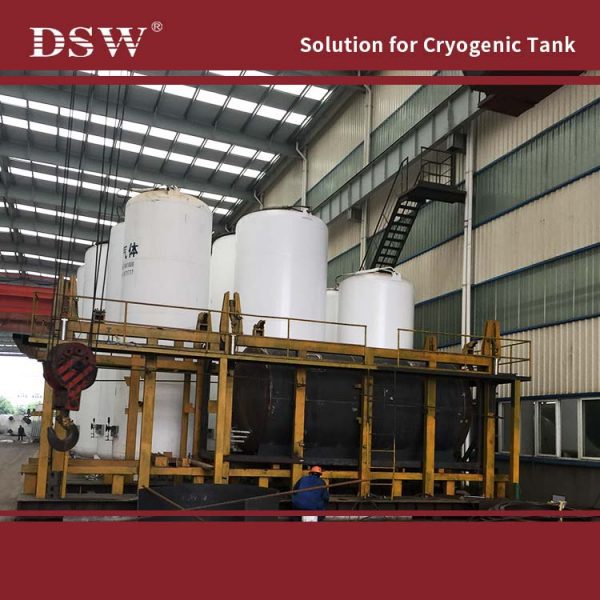
| Cryogenic Storage Unit | Stores and supplies liquefied industrial gases. | Industrial gas distribution, hospitals, laboratories, manufacturing. |
| Microbulk Unit | Provides on-site cryogenic liquid storage and gas supply. | Hospitals, laboratories, food processing, small and medium manufacturing. |
| Cryogenic ISO Tank Unit | Transports cryogenic liquids between locations. | Road, rail, sea, and international gas supply chains. |
Cryogenic Air Separation Units (ASUs)
Cryogenic Air Separation Units (ASUs) are large-scale cryogenic systems used to separate atmospheric air into oxygen, nitrogen, and argon through cryogenic distillation.
In a typical ASU, atmospheric air is filtered, compressed, purified, cooled to cryogenic temperatures, and introduced into distillation columns. The major components of air are separated according to their different boiling points.
Industrial ASUs may use double-column or triple-column configurations depending on the required products, purity levels, production capacity, and plant design.
ASUs are widely used in steelmaking, petrochemical processing, electronics manufacturing, chemical production, and medical gas supply.
LNG Cryogenic Units
LNG cryogenic units are designed to handle natural gas at cryogenic temperatures. Natural gas is cooled to approximately −162°C to convert it into liquefied natural gas, significantly reducing its volume and making storage and transportation more practical.
Depending on the installation, an LNG cryogenic system may include liquefaction equipment, cryogenic storage tanks, LNG pumps, boil-off gas management systems, insulated piping, and regasification vaporizers.
These systems are used in LNG terminals, peak-shaving facilities, LNG fueling infrastructure, and other natural gas supply applications.
For broader information about LNG infrastructure, see our guide to LNG storage systems.
Microbulk Cryogenic Units
Microbulk cryogenic units are compact gas storage and supply systems positioned between traditional high-pressure cylinders and larger bulk gas installations. They typically use a stationary cryogenic tank together with pressure-control, vaporization, piping, and gas delivery equipment.
Depending on the application and configuration, microbulk tanks may range from several hundred liters to several thousand liters. They provide a continuous on-site supply of gases such as nitrogen, oxygen, and argon.
Compared with cylinder-based supply, microbulk systems can reduce cylinder handling, improve supply continuity, and support automated gas delivery. Typical applications include hospitals, laboratories, food processing plants, and manufacturing facilities.
Learn more about the benefits and applications of microbulk tanks.
Cryogenic ISO Tank Units
Cryogenic ISO tanks are transportable cryogenic units designed for intermodal transportation. They can be used for the movement of suitable liquefied gases by road, rail, and sea, subject to the applicable tank specification and transport regulations.
A typical cryogenic ISO tank uses an inner pressure vessel, an insulated outer structure, and insulation designed to limit heat transfer during transportation. Construction and materials vary according to the product, pressure rating, tank specification, and applicable standards.
Cryogenic ISO tanks are commonly used for transporting products such as liquid nitrogen, liquid oxygen, liquid argon, and LNG across regional and international supply chains.
Cryogenic Unit vs. Cryogenic Tank
A cryogenic tank and a cryogenic unit are related but different concepts.
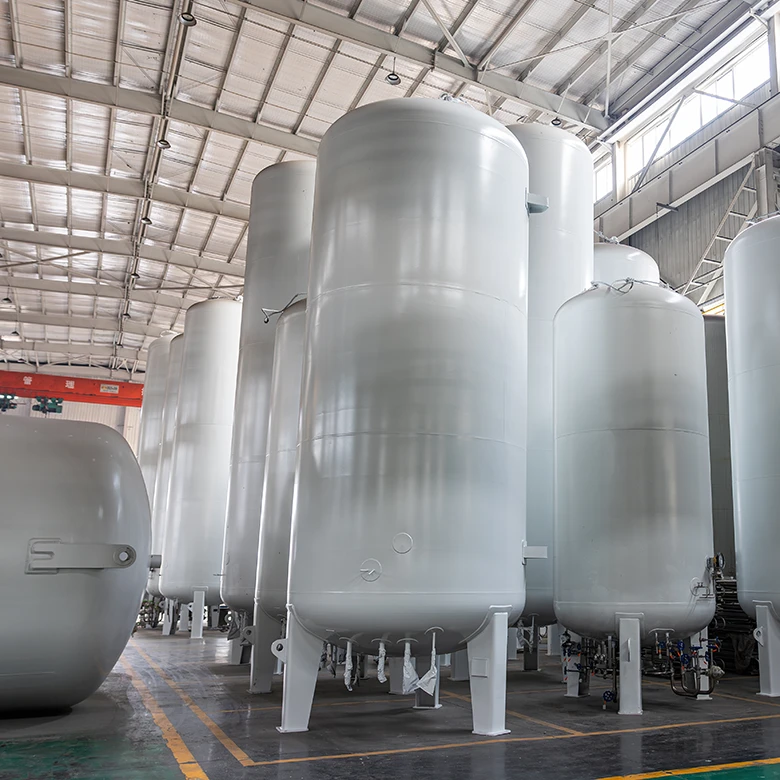
A cryogenic tank is primarily a pressure vessel designed to store a cryogenic liquid at controlled temperature and pressure. A cryogenic unit is a broader system that may include a tank together with pumps, vaporizers, piping, valves, instrumentation, controls, and safety equipment.
In simple terms:
- Cryogenic tank: primarily stores cryogenic liquid.
- Cryogenic unit: integrates multiple pieces of equipment to store, transfer, vaporize, liquefy, or otherwise process cryogenic fluids.
Therefore, a cryogenic tank can be one component of a larger cryogenic unit rather than a complete cryogenic system by itself.
Applications of Cryogenic Units
Cryogenic units support a wide range of industrial and commercial processes where gases must be separated, liquefied, stored, transported, or supplied at controlled conditions.
- Industrial gas production – production and distribution of nitrogen, oxygen, and argon.
- Steelmaking – oxygen and nitrogen supply for metal processing.
- Healthcare – storage and supply of medical oxygen and other industrial gases.
- Electronics manufacturing – high-purity gases used in semiconductor and electronics processes.
- Food processing – cryogenic gases used for freezing, chilling, packaging, and processing.
- Chemical and petrochemical industries – process gases and cryogenic feedstocks.
- LNG infrastructure – natural gas liquefaction, storage, transportation, and regasification.
- Scientific research – low-temperature environments and cryogenic fluid handling.
- Hydrogen applications – cryogenic handling and storage of liquid hydrogen where required.
Safety Standards and Regulatory Considerations
Cryogenic units operate under demanding temperature and pressure conditions, so equipment selection, installation, operation, inspection, and maintenance must follow the requirements applicable to the specific system and location.
Depending on the equipment type, application, country, and transportation mode, applicable requirements may include standards and guidance such as ASME, EN 13458, ISO 21009, CGA guidance, ADR, or IMDG requirements.
Important safety considerations include:
- Overpressure protection through appropriately designed relief systems.
- Oxygen deficiency hazards where cryogenic gases can displace oxygen in enclosed spaces.
- Oxygen enrichment where liquid or gaseous oxygen is present.
- Material embrittlement and low-temperature mechanical performance.
- Thermal protection against contact with extremely cold surfaces.
- Emergency venting and controlled pressure release.
- Leak detection and monitoring where required by the application.
The specific safety requirements should always be determined according to the cryogenic fluid, system design, installation environment, applicable codes, and local regulations.
Conclusion
Cryogenic units are integrated systems used to liquefy, store, transfer, vaporize, and process gases at extremely low temperatures. Their configuration varies significantly depending on whether they are designed for air separation, LNG processing, cryogenic storage, microbulk supply, or transportation.
A typical system may combine cryogenic tanks, pumps, heat exchangers, vaporizers, insulated piping, valves, instrumentation, and safety equipment. Proper material selection, thermal insulation, pressure control, and regulatory compliance are essential for safe and reliable operation.
From large-scale air separation plants and LNG facilities to microbulk supply systems and cryogenic ISO tanks, cryogenic technology provides the infrastructure required for efficient handling of industrial and energy gases.
TECHNICAL QUESTIONS
Frequently asked questions About Cryogenic Units
A cryogenic unit is an engineered system designed to liquefy, store, and transfer gases at extremely low temperatures, typically below −150 °C (−238 °F). These systems handle gases such as nitrogen, oxygen, argon, hydrogen, helium, and natural gas in liquid form to improve storage density and transportation efficiency.
A cryogenic unit cools gases through a sequence of compression, heat exchange, and controlled expansion until the gas reaches its liquefaction temperature. The system typically includes compressors, cryogenic heat exchangers, expansion turbines or valves, vacuum-insulated storage tanks, pumps, and vaporizers.
Cryogenic units commonly process and store liquid nitrogen (LIN), liquid oxygen (LOX), liquid argon (LAR), liquefied natural gas (LNG), liquid hydrogen (LH2), and liquid helium. These gases require cryogenic systems because their boiling points range from approximately −162 °C to −269 °C.
Liquefying gases significantly reduces their volume, allowing more efficient storage and transportation. For example, natural gas becomes liquefied natural gas (LNG) at about −162 °C, reducing its volume by roughly 600 times compared with gaseous form.
A typical cryogenic unit includes cryogenic storage tanks, cold boxes and heat exchangers, cryogenic pumps, vacuum-insulated piping, pressure control and safety valves, and vaporizers for converting cryogenic liquids back to gas.
Boil-off gas (BOG) is the vapor produced when a small portion of cryogenic liquid evaporates due to unavoidable heat ingress. BOG is typically managed through pressure control systems, gas recovery systems, compressors, or reliquefaction processes.
Cryogenic equipment commonly uses materials that retain strength and ductility at extremely low temperatures, including austenitic stainless steel such as 304 and 316L, aluminum alloys, 9 percent nickel steel used in LNG tanks, and specialized nickel-based alloys.

No comment