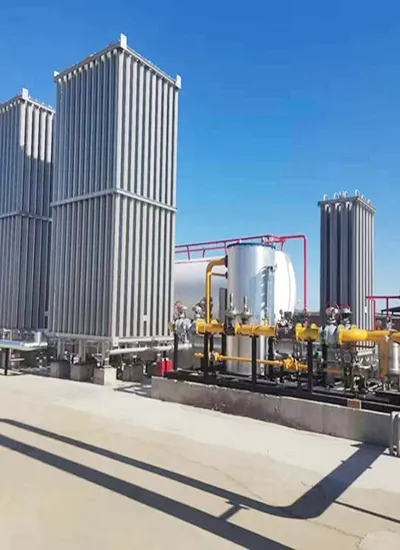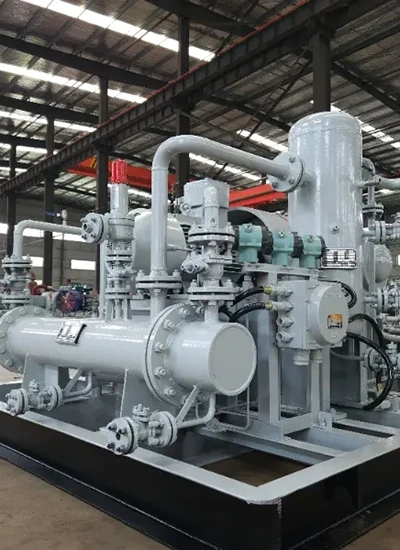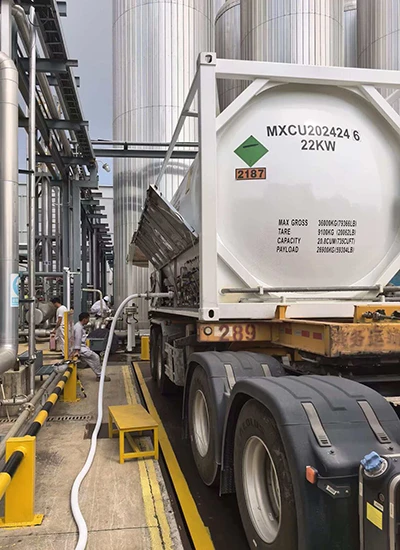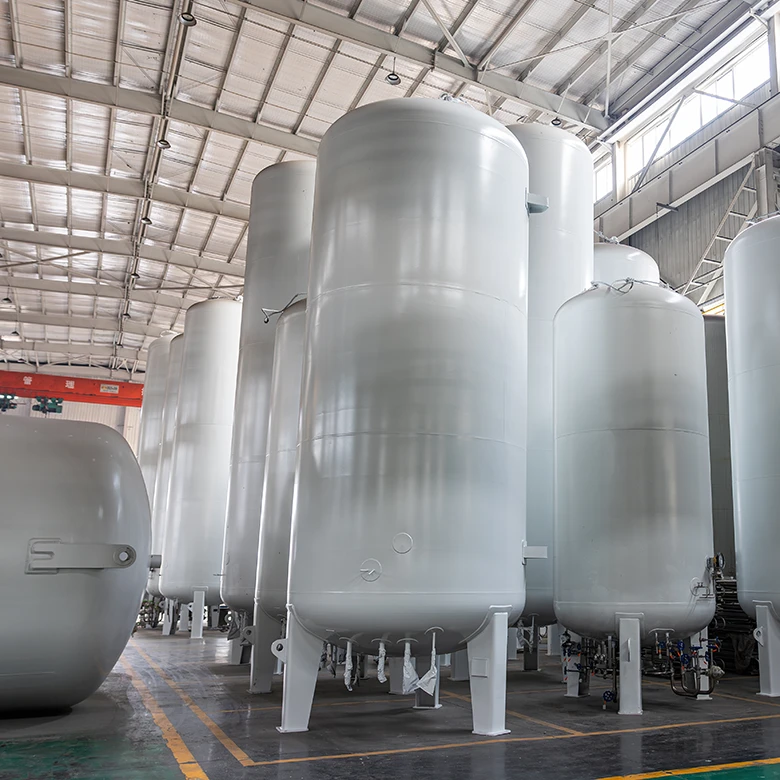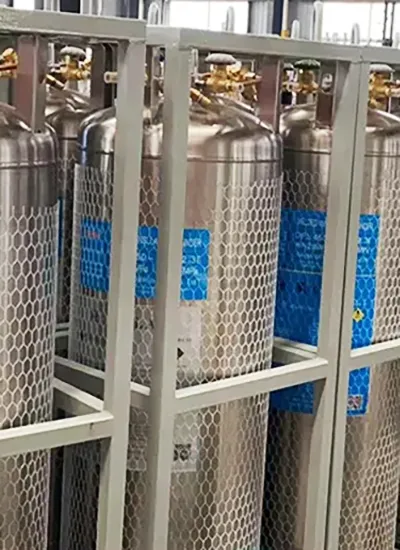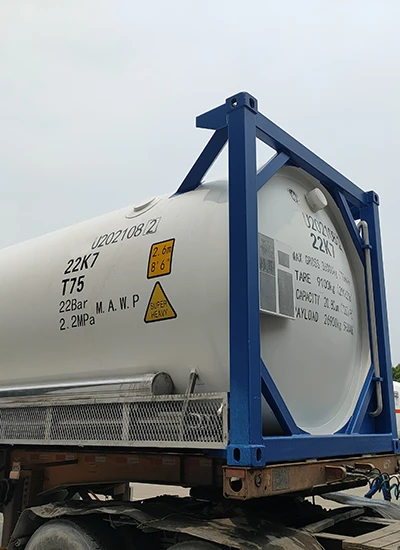

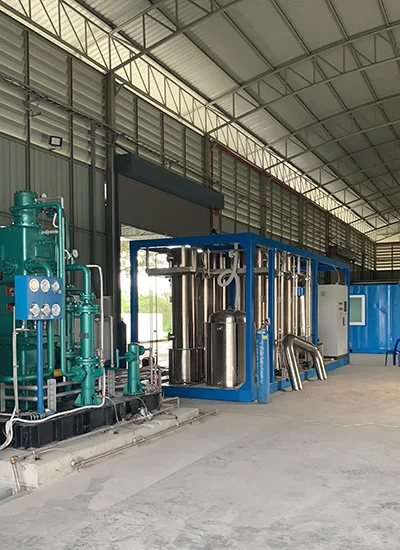
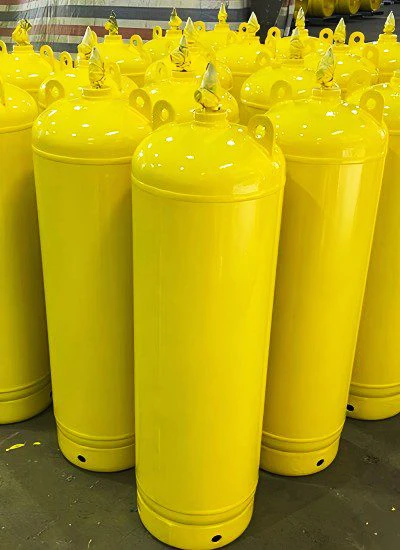
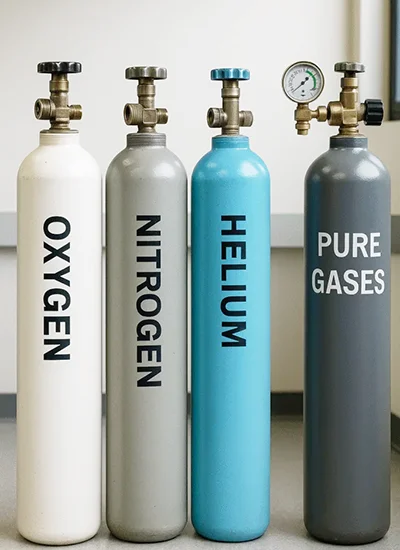
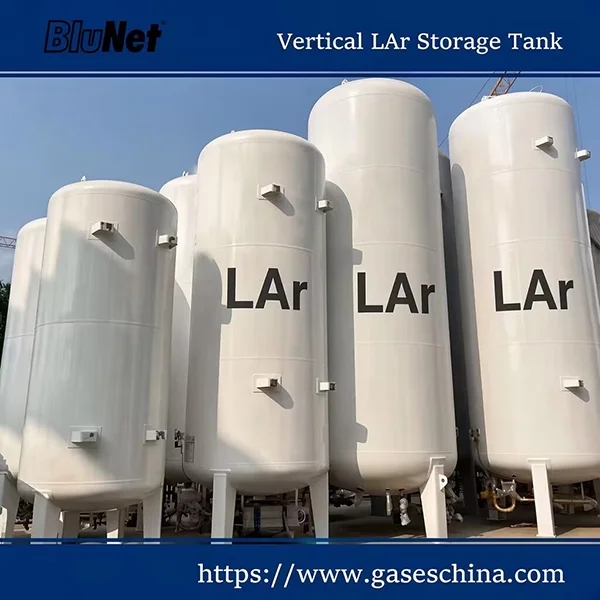
Double wall vacuum insulated cryogenic tank for LNG, CO2 and industrial gas storage

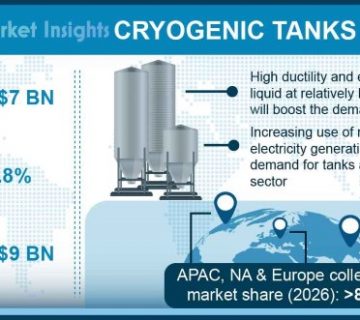
What Is a Cryogenic Tank? Structure, Types, and Applications Explained

What is cryogenic tank? Cryogenic tanks are liquid tanks, tank containers or cryogenic vessels with double-wall construction made of a stainless steel inner vessel and carbon steel outer vacuum jacket with MLI standard. Other options are single-wall vessels, either insulated on non-insulated, or triple-wall vessels made by to store high-temperature gases like LNG, co2, and nitrous oxide. ... Read More
Uses of argon in welding, metal processing, lighting, and industrial gas shielding applications

10 Uses of Argon Gas You Should Know

Argon gas is widely used in welding, steel manufacturing, semiconductor production, additive manufacturing, and energy-efficient glazing systems. Learn the top industrial and commercial uses of argon gas and why its inert properties make it essential for modern engineering applications. ... Read More
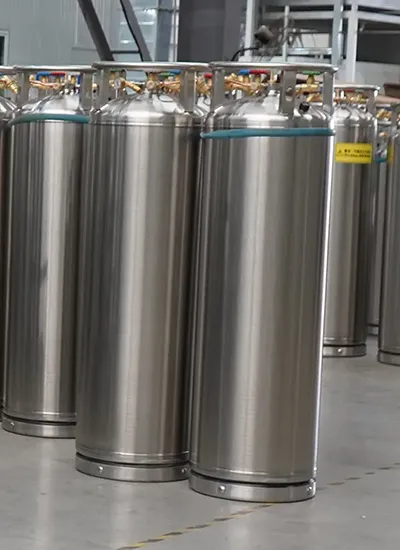
Design and operation of cryogenic storage vessels for producing liquid nitrogen and oxygen safely

Designing of Cryogenic Storage Vessels

Explore professional cryogenic vessel design solutions for safe and efficient storage of liquid nitrogen, oxygen, and argon. Vessels feature vacuum or multilayer insulation to minimise boil-off, durable stainless steel, nickel, aluminium, and copper alloys, and comply with ASME, EN, and CODE 2000 standards for industrial cryogenic applications. ... Read More
Gas cylinder manufacturers

welding gas mixture

Welding gas mixture is not only a mixture of carbon dioxide and argon. 1. The advantage of Ar+He argon is that the arc combustion is very stable and the spatter is extremely small. The advantages of helium are high arc temperature, high heat input to the base metal, and fast welding speed. The advantages of both can be obtained by adding a certain amount of helium with argon as the matrix. ... Read More
Oxygen Regulators

applications of liquid medical oxygen

Applications of Liquid Medical Oxygen 1. Intake disorders: Respiratory diseases such as asthma are typical cases of hypoxia caused by intake disorders, which will seriously affect life, study and work when they occur. ... Read More