

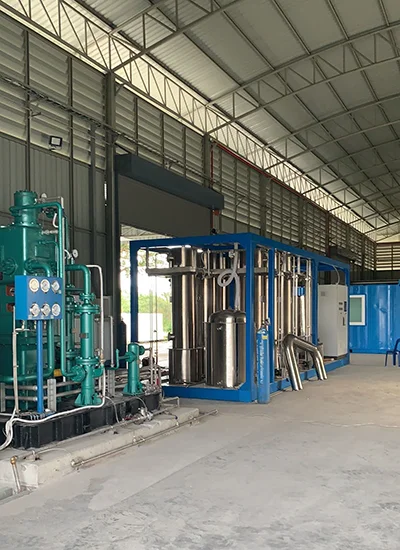


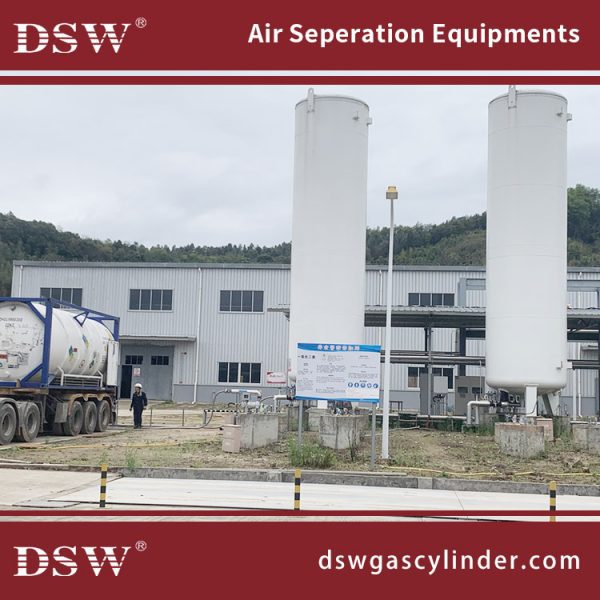
BluNet supplies liquid oxygen plant solutions for industrial gas production and applications requiring liquid oxygen (LOX). Using cryogenic air separation technology, these systems separate oxygen from atmospheric air and produce liquid oxygen for storage, distribution, or downstream use.
Plant configuration depends on the required production capacity, oxygen purity, operating conditions, available utilities, and project scope. Supporting equipment can be selected according to the intended storage, transfer, and gas supply arrangements.
Liquid Oxygen Plant Overview
A liquid oxygen plant is an industrial gas production system that uses cryogenic processing to separate oxygen from air and produce it in liquid form. It is suitable for industrial gas suppliers and facilities with a defined demand for liquid oxygen.
Depending on the process design, a cryogenic oxygen plant may include an air compressor, air purification equipment, heat exchangers, distillation columns, refrigeration equipment, process controls, and liquid oxygen collection equipment.
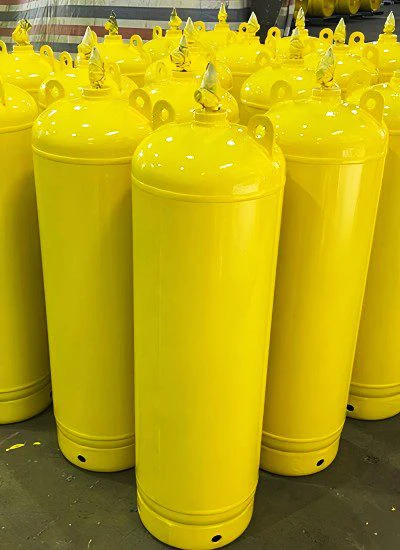
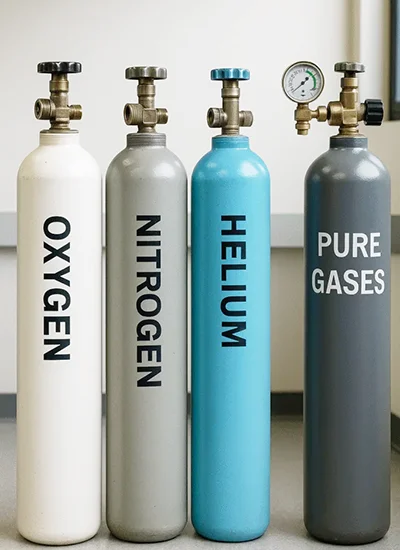
Storage tanks, transfer systems, vaporizers, and cylinder filling equipment can be considered separately according to the required plant configuration and supply scope.
How Does a Cryogenic Liquid Oxygen Plant Work?
A typical cryogenic air separation process involves five main stages:
- Air compression: Atmospheric air is compressed to the required process pressure.
- Air purification: Moisture, carbon dioxide, and other contaminants are removed to protect equipment operating at cryogenic temperatures.
- Cooling and heat exchange: The purified air is cooled to the temperatures required for cryogenic separation.
- Air separation: Cryogenic distillation separates oxygen from nitrogen and other components of air. The exact arrangement depends on the process design and required product specifications.
- Liquid oxygen collection: The plant produces and collects liquid oxygen for transfer to storage or other specified downstream equipment.
The process configuration is selected according to production requirements, product specifications, energy consumption targets, and operating conditions.
Liquid Oxygen Plant Specifications
The following parameters should be confirmed when selecting a plant. Actual specifications depend on the proposed model and engineering design.
| Parameter | Specification |
|---|---|
| Plant Type | Cryogenic LOX production plant |
| Feedstock | Atmospheric air |
| Main Product | Liquid oxygen (LOX) |
| Capacity and Purity | Customized to project requirements |
| Operating Pressure | Based on process design |
| Power and Utilities | Based on plant configuration and site conditions |
| Control System | Configured to project requirements |
| LOX Storage | Optional; specified separately |
| Applicable Standards | Based on project specifications and local regulations |
LOX Liquid Oxygen Plant – Technical Specifications
| Technical Parameter | 50 | 100 | 200 | 250 | 300 | 400 | 500 | 600 | 800 | 1000 |
|---|---|---|---|---|---|---|---|---|---|---|
| Oxygen Production Capacity (Nm³/h) | 50–1000 Nm³/h (see column headings) | |||||||||
| Oxygen and Nitrogen Cylinder Filling Capacity (Cylinders/Day) | 200 | 400 | 800 | 1000 | 1200 | 1600 | 2000 | 2400 | 3200 | 4000 |
| Oxygen Cylinder Filling Pressure | 150–200 bar | |||||||||
| Oxygen Purity (%) | 99.6 | 99.6 | 99.6 | 99.6 | 99.6 | 99.6 | 99.6 | 99.6 | 99.6 | 99.7 |
| Nitrogen Purity (%) | 99.9 | |||||||||
Main Equipment and System Configuration
A liquid oxygen production plant may incorporate the following equipment, depending on its process arrangement and supply scope:
- Air compressor and aftercooling equipment
- Compressed air purification system
- Main cryogenic heat exchanger
- Cryogenic distillation column
- Expansion turbine or other process refrigeration equipment, as applicable
- Liquid oxygen collection and transfer equipment
- Instrumentation and process control system
Additional equipment can be specified when required for storage, distribution, or downstream gas supply. The final equipment list should reflect the actual process design rather than a generic list of components.
Applications
Liquid oxygen plants can support industrial applications that require a reliable source of LOX and meet the relevant product specifications.
- Industrial gas production: Produce liquid oxygen for bulk distribution to commercial and industrial customers.
- Steelmaking and metallurgy: Supply oxygen for compatible oxygen-intensive production processes.
- Chemical manufacturing: Provide oxygen for industrial processes that require a defined oxygen supply.
- Healthcare supply chains: Support medical oxygen production and distribution where the plant, product quality system, and approvals satisfy applicable medical-gas requirements.
- Other industrial applications: Serve facilities with established liquid oxygen demand and suitable cryogenic infrastructure.
The required oxygen purity, quality controls, and regulatory compliance must be determined by the intended application.
Liquid Oxygen Storage and Supporting Equipment
Liquid oxygen production is only one part of a complete supply system. Depending on the project, downstream equipment may include:
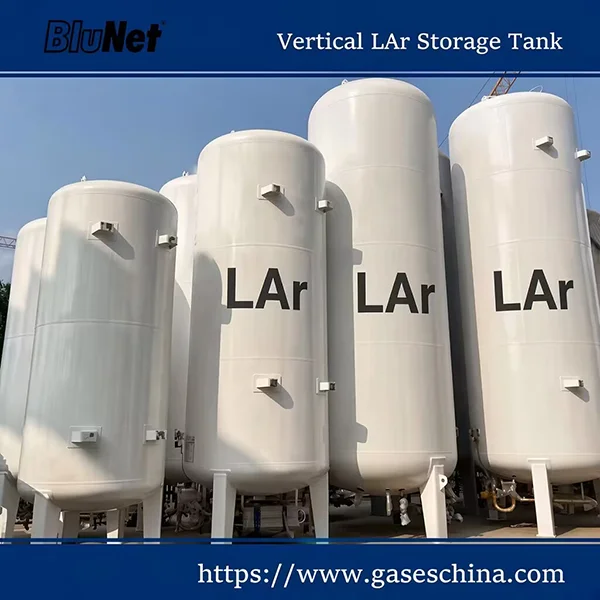
- Liquid oxygen storage tanks for holding LOX at cryogenic temperatures
- Cryogenic transfer equipment for moving liquid oxygen between process and storage systems
- Oxygen vaporizers for converting LOX into gaseous oxygen when required
- Oxygen filling equipment for projects that include cylinder filling
- Piping, instrumentation, and safety systems selected for oxygen service
Equipment must be suitable for oxygen service, including appropriate material compatibility, cleanliness, pressure ratings, and operating conditions.
Storage capacity and downstream equipment should be sized according to production output, demand patterns, required autonomy, and delivery arrangements.
Plant Selection and Engineering Requirements
Choosing a suitable liquid oxygen plant requires more than matching a nominal production capacity. The engineering assessment should consider:
- Required LOX production per hour or per day
- Oxygen purity and product specifications
- Continuous or intermittent operating schedule
- Ambient temperature and installation altitude
- Electrical power and cooling water availability, where applicable
- Storage capacity and liquid oxygen delivery requirements
- Site layout, maintenance access, and operating conditions
- Applicable standards, approvals, and destination-market requirements
Providing these details helps establish the appropriate process configuration, equipment scope, and operating requirements for the project.

Reviews
There are no reviews yet.